Overview to Volcanoes National Park Rwanda
Volcanoes National Park Rwanda is one of Africa’s most iconic wildlife destinations and the crown jewel of Rwanda’s tourism industry. Nestled within the spectacular Virunga Mountain range in the northwestern region of Rwanda, this remarkable protected area is globally celebrated as one of the last remaining natural habitats of the endangered mountain gorilla. Every year, travelers from different parts of the world visit Volcanoes National Park for the extraordinary opportunity to observe mountain gorillas living freely within their natural forest environment.
Although mountain gorilla trekking is undoubtedly the park’s most famous attraction, Volcanoes National Park offers much more than close encounters with these magnificent great apes. The park contains dramatic volcanic peaks, dense bamboo forests, ancient montane rainforests, rare golden monkeys, scenic hiking trails, endemic bird species, culturally rich neighboring communities and one of the most inspiring conservation stories in Africa. Whether you are an adventure traveler, wildlife photographer, birdwatcher, honeymooner, researcher, conservation enthusiast or family seeking an unforgettable African safari, Volcanoes National Park offers a diverse range of experiences.
Established in 1925, Volcanoes National Park forms part of the greater Virunga Conservation Area shared by Rwanda, Uganda and the Democratic Republic of Congo. Its establishment represented one of the earliest formal efforts to protect mountain gorillas and their forest habitat. The park later gained worldwide recognition through the pioneering work of primatologist Dian Fossey, whose research transformed international understanding of mountain gorilla behavior and inspired conservation programs that continue protecting the species today.
Volcanoes National Park currently stands as an important example of how responsible tourism can support wildlife conservation while creating economic opportunities for surrounding communities. Revenue generated from Rwanda gorilla trekking permits contributes to park management, ranger patrols, veterinary care, scientific research, habitat protection and community development projects. This tourism-supported conservation model has helped strengthen protection for mountain gorillas and the wider Virunga ecosystem.
Another major advantage of visiting Volcanoes National Park is its accessibility. Unlike many remote African wildlife destinations that require long internal flights or several days of road travel, the park can normally be reached from Kigali within approximately two and a half to three hours by road. This accessibility makes it possible to include a Rwanda gorilla trekking safari within a short holiday, business trip, honeymoon or wider East African safari itinerary.
Throughout this comprehensive guide, travelers will discover detailed information about mountain gorilla trekking, Rwanda gorilla permits, habituated gorilla families, golden monkey trekking, volcano hiking, Dian Fossey’s conservation legacy, accommodation, transportation, wildlife, birdwatching, cultural experiences, weather, the best time to visit and responsible travel practices.
At Kyooma Gorilla Safaris, we specialize in organizing personalized Rwanda gorilla trekking safaris that combine adventure, comfort, conservation and authentic local experiences. We assist travelers with securing gorilla permits, selecting suitable accommodation, arranging private transportation, planning additional park activities and combining Rwanda with other leading East African safari destinations.
For travelers who dream of standing within an ancient mountain forest while observing a wild mountain gorilla family only a short distance away, Volcanoes National Park offers one of the most powerful and memorable wildlife encounters in the world.
H2: Where Is Volcanoes National Park Located?
Volcanoes National Park is situated in northwestern Rwanda within the Northern Province, close to the town of Musanze, which was formerly known as Ruhengeri. Covering approximately 160 square kilometers, the park protects Rwanda’s section of the Virunga Massif, a spectacular chain of volcanic mountains extending across Rwanda, Uganda and the Democratic Republic of Congo.
The park borders Mgahinga Gorilla National Park in Uganda and Virunga National Park in the Democratic Republic of Congo. Together, the three protected areas form the greater Virunga Conservation Area, an internationally important transboundary ecosystem that provides habitat for mountain gorillas, golden monkeys, forest elephants, buffaloes, rare birds and numerous other plant and animal species.
Musanze serves as the main tourism gateway to Volcanoes National Park. The town offers hotels, restaurants, cafés, shops, banks, medical facilities and other essential services required by visitors. Many travelers spend at least one night in Musanze or Kinigi before participating in gorilla trekking, golden monkey tracking or volcano hiking.
The main administrative and visitor center is located at Kinigi Park Headquarters, a short drive from Musanze. Gorilla trekking participants report to Kinigi early in the morning for registration, briefing and allocation to a habituated gorilla family. Ranger guides then lead each trekking group toward the appropriate trailhead and into the forest.
Volcanoes National Park lies approximately 105 kilometers from Kigali. The road journey usually takes between two and a half and three hours, although travel times may vary according to traffic, weather and the location of the visitor’s accommodation. The route passes through beautiful countryside characterized by rolling hills, cultivated terraces, rural communities, eucalyptus forests and impressive views of the Virunga volcanoes.
The park’s convenient location makes it one of the most accessible mountain gorilla trekking destinations in Africa. Visitors arriving at Kigali International Airport can travel directly to the park on the same day, although spending the night near the park before trekking is usually recommended because the morning briefing begins early.
Volcanoes National Park occupies a high-altitude environment, with elevations ranging from approximately 2,400 meters to 4,507 meters above sea level. The highest point is the summit of Mount Karisimbi, while the lower forest zones contain extensive bamboo and montane vegetation. These changes in altitude create several ecological zones that support different wildlife and plant communities.
The volcanic soils surrounding the park are highly fertile and support intensive farming. Local communities grow potatoes, beans, maize, wheat, vegetables, bananas and pyrethrum in cultivated areas around the protected forest. The contrast between the green agricultural landscape and the mist-covered volcanic peaks creates some of the most beautiful scenery in Rwanda.
The park’s location also makes it suitable for multi-country safari itineraries. Travelers may combine Volcanoes National Park with Bwindi Impenetrable National Park and Mgahinga Gorilla National Park in Uganda, Virunga National Park in the Democratic Republic of Congo, or classic wildlife destinations in Kenya and Tanzania.
Its position within the Albertine Rift, accessibility from Kigali, connection to neighboring protected areas and exceptional ecological importance have established Volcanoes National Park as one of the leading wildlife and gorilla trekking destinations in Africa.
History of Volcanoes National Park
The history of Volcanoes National Park is closely connected to the history of mountain gorilla conservation. Long before the area became a protected national park, the forests of the Virunga Mountains supported populations of mountain gorillas, golden monkeys, forest elephants, buffaloes and numerous other wildlife species. Communities living around the mountains developed livelihoods based on agriculture while maintaining cultural connections to the surrounding landscape.
Modern international interest in the mountain gorillas of the Virunga region began during the early twentieth century. In 1902, German army officer Captain Robert von Beringe encountered gorillas on the slopes of Mount Sabyinyo. Specimens collected during the expedition were studied by scientists and recognized as belonging to a distinct mountain-dwelling form of gorilla.
As awareness of the mountain gorillas increased, concerns also developed about hunting and habitat destruction. In 1925, the area was protected as part of Albert National Park, making it one of the earliest national parks established in Africa. The park originally covered sections of what are now Rwanda and the Democratic Republic of Congo.
Following political and administrative changes, Rwanda’s section became Volcanoes National Park, while the neighboring section in the Democratic Republic of Congo became part of Virunga National Park. Mgahinga Gorilla National Park in Uganda later strengthened transboundary conservation across the Virunga Massif.
A defining chapter in the park’s history began in 1967 when American primatologist Dr. Dian Fossey established the Karisoke Research Center between Mount Karisimbi and Mount Bisoke. Fossey spent years observing mountain gorillas and documenting their social organization, feeding habits, communication, parenting behavior and relationships within family groups.
Before her research became widely known, gorillas were often portrayed as aggressive and frightening animals. Fossey’s observations demonstrated that mountain gorillas are intelligent, social and generally peaceful animals living within structured family groups led by dominant silverbacks.
Fossey also campaigned strongly against poaching and the illegal wildlife trade. She organized patrols, removed snares from the forest and promoted greater international awareness of the threats facing mountain gorillas. Her work attracted global attention and helped establish long-term scientific research and conservation programs within the Virunga Mountains.
Her murder in 1985 shocked the international conservation community. However, her research and advocacy continued to inspire efforts to protect mountain gorillas. Today, visitors can undertake the Dian Fossey Tomb Hike to the site of her former research center and grave near the mountains where she dedicated much of her life to gorilla conservation.
Volcanoes National Park faced serious challenges during Rwanda’s period of political conflict and the 1994 Genocide against the Tutsi. Tourism activities were disrupted, conservation resources became limited and effective park management became extremely difficult. Despite these challenges, mountain gorilla protection resumed as Rwanda rebuilt its institutions and tourism industry.
In the years that followed, the Government of Rwanda increased investment in wildlife conservation, tourism infrastructure, ranger training, research and community development. International conservation organizations, veterinary teams, researchers and local communities also contributed to the restoration and protection of the park.
Volcanoes National Park has since developed into one of Africa’s most respected conservation and tourism destinations. Its recovery demonstrates how wildlife protection, responsible tourism, scientific research and community participation can work together to protect endangered species and create sustainable economic opportunities.
Why Is Volcanoes National Park Famous?
Volcanoes National Park is internationally famous primarily because it protects part of the natural habitat of the endangered mountain gorilla. The opportunity to trek through the misty forests of the Virunga Mountains and spend time observing a habituated gorilla family attracts travelers from throughout the world.
Mountain gorilla trekking in Volcanoes National Park offers a deeply personal wildlife experience. Rather than observing animals from a vehicle, visitors walk through the forest with trained guides and trackers before encountering gorillas within their natural surroundings. Watching a silverback protect his family, mothers care for their infants and young gorillas play among the vegetation creates an unforgettable connection between visitors and the natural world.
The park is also famous for the work of Dian Fossey. Her long-term research at the Karisoke Research Center brought global attention to mountain gorillas and the threats affecting their survival. Her life and conservation work later became widely known through the book and film Gorillas in the Mist.
Another reason for the park’s fame is its dramatic volcanic landscape. Volcanoes National Park contains five of the eight volcanoes forming the Virunga Massif: Mount Karisimbi, Mount Bisoke, Mount Muhabura, Mount Gahinga and Mount Sabyinyo. These mountains dominate the skyline and provide opportunities for hiking, photography and scenic exploration.
Golden monkey trekking is another major attraction. Golden monkeys are endangered primates found within the Albertine Rift region, and Volcanoes National Park protects important populations living mainly within its bamboo forests. Their active behavior, distinctive coloring and social groups make golden monkey trekking an enjoyable complement to gorilla trekking.
The park is additionally renowned for birdwatching. It contains more than 200 recorded bird species, including several species associated with the Albertine Rift. Forests, bamboo zones, wetlands and high-altitude vegetation provide habitats for turacos, francolins, batises, sunbirds, warblers and numerous other birds.
Volcanoes National Park is also respected for its conservation achievements. Revenue from tourism supports gorilla protection, ranger patrols, scientific research, veterinary care and community development. The growth of the mountain gorilla population demonstrates that coordinated conservation efforts can produce meaningful results.
Its accessibility from Kigali has further contributed to its popularity. Travelers can arrive at Kigali International Airport and reach the park within a few hours, making Rwanda suitable for both short gorilla trekking tours and longer East African safari itineraries.
For visitors booking through Kyooma Gorilla Safaris, Volcanoes National Park can be explored through personalized itineraries that include gorilla trekking, golden monkey tracking, the Dian Fossey Tomb Hike, volcano hiking, cultural experiences, birdwatching and visits to other destinations in Rwanda or Uganda.
Geography and Landscape of Volcanoes National Park
Volcanoes National Park occupies one of the most visually impressive and ecologically significant landscapes in East Africa. Its geography is dominated by volcanic mountains, steep slopes, bamboo forests, montane rainforest, wetlands and high-altitude vegetation. Together, these features create a varied environment supporting mountain gorillas and many other wildlife species.
Volcanic Origins
The landscape of Volcanoes National Park was shaped by volcanic activity within the western branch of the East African Rift. Over thousands of years, eruptions and geological movement created the Virunga chain of volcanoes extending across Rwanda, Uganda and the Democratic Republic of Congo.
Rwanda’s section contains Mount Karisimbi, Mount Bisoke, Mount Muhabura, Mount Gahinga and Mount Sabyinyo. Although these volcanoes are generally considered dormant, active volcanoes remain elsewhere within the wider Virunga region.
Past volcanic activity produced rich soils that support dense vegetation within the park and productive agriculture in surrounding areas. Lava flows, crater formations and steep ridges continue to influence drainage, vegetation distribution and wildlife movement.
Elevation and Mountain Terrain
The park extends across elevations ranging from approximately 2,400 meters to 4,507 meters above sea level. This dramatic variation creates different temperature, rainfall and vegetation conditions from the lower forest zones to the high mountain summits.
Lower elevations contain bamboo and mixed montane forest, while higher areas support giant heather, open grassland and Afro-alpine plants adapted to cold temperatures and strong winds. The highest slopes may experience frost, heavy mist and rapidly changing weather.
The steep mountain terrain contributes to the physical challenge of gorilla trekking and volcano hiking. Trails may cross muddy forest floors, bamboo thickets, uneven volcanic ground and densely vegetated slopes. However, the scenery and wildlife encounters make the effort highly rewarding.
Bamboo Forests
Bamboo forest is one of the park’s most important habitats. Mountain gorillas frequently feed within bamboo zones, especially during periods when fresh bamboo shoots are abundant. Golden monkeys also depend heavily on bamboo for food, shelter and movement.
The tall bamboo creates a beautiful green environment where filtered sunlight, mist and forest sounds contribute to the atmosphere of trekking. However, dense bamboo may also make some trails physically demanding because guides occasionally need to clear vegetation to create a safe passage.
Montane Rainforest
Montane rainforest occurs across sections of the park where cooler temperatures and regular rainfall support dense tree growth. These forests contain mosses, ferns, vines, shrubs and other plants adapted to the humid mountain environment.
The rainforest provides food and shelter for primates, birds, small mammals, reptiles, amphibians and insects. Fallen leaves and decaying vegetation enrich the soil while supporting a complex ecological system.
Afro-Alpine Vegetation
At higher elevations, dense forest gradually gives way to giant heather, open grassland and Afro-alpine vegetation. Plants surviving in these areas must tolerate colder temperatures, stronger winds and greater exposure.
This high-altitude vegetation is especially visible during hikes on Mount Karisimbi and Mount Bisoke. The landscape may include giant lobelias, senecios and other unusual plants associated with East Africa’s mountain environments.
Wetlands and Water Sources
Wetlands, streams and swampy areas occur within parts of Volcanoes National Park. These habitats provide water for wildlife and support amphibians, insects, birds and moisture-dependent plants.
Water originating within the Virunga Mountains also contributes to local drainage systems and supports agriculture in surrounding communities. Protecting the park therefore helps conserve both biodiversity and regional water resources.
Climate and Mist-Covered Scenery
The high altitude gives Volcanoes National Park a cool and moist climate throughout much of the year. Mist frequently covers the forest and volcanic slopes, particularly during the early morning and rainy seasons.
These misty conditions contribute to the park’s famous appearance and help maintain the vegetation upon which mountain gorillas and other wildlife depend. Weather conditions may change quickly, with sunshine, mist and rainfall sometimes occurring within the same trekking period.
Scenic Beauty of the Virunga Mountains
The combination of volcanic peaks, cultivated hillsides, bamboo forest and drifting mist creates some of the most beautiful scenery in Rwanda. On clear days, travelers can see several Virunga volcanoes rising above surrounding farms and communities.
This landscape provides exceptional opportunities for photography, hiking and nature appreciation. It also reflects the close relationship between protected wilderness and human settlement around the boundaries of Volcanoes National Park.
The geography of Volcanoes National Park is therefore central to its tourism appeal and ecological importance. Its volcanic soils support rich vegetation, its elevation creates diverse habitats and its interconnected forests provide essential space for mountain gorillas and other wildlife.
The Virunga Volcanoes
The Virunga Mountains are among the most spectacular mountain ranges in Africa and form the geographical heart of Volcanoes National Park. Stretching across the borders of Rwanda, Uganda and the Democratic Republic of Congo, the Virunga Massif consists of eight major volcanoes, five of which are located within Rwanda’s Volcanoes National Park. These ancient volcanic peaks dominate the skyline of northern Rwanda and provide the breathtaking scenery that has made the park one of the continent’s most recognizable wildlife destinations.
Beyond their impressive beauty, the Virunga volcanoes play an essential ecological role. Their fertile volcanic soils support dense forests, bamboo vegetation and unique Afro-alpine ecosystems that provide habitat for mountain gorillas, golden monkeys, birds and countless other wildlife species. The varying elevations of the volcanoes create different ecological zones, each supporting distinct plant and animal communities.
For travelers visiting Volcanoes National Park, the Virunga Mountains offer much more than beautiful scenery. Several of the volcanoes provide exceptional hiking opportunities, ranging from relatively moderate day hikes to challenging overnight expeditions. Along these trails, visitors experience changing vegetation, panoramic mountain views, crater lakes, waterfalls, rare plants and extraordinary wildlife encounters.
Each volcano possesses its own unique characteristics, geological history and trekking experience, making every hike different from the next.
Mount Karisimbi
Standing at approximately 4,507 meters (14,787 feet) above sea level, Mount Karisimbi is the highest volcano in the Virunga Mountain range and the fifth-highest mountain in Africa. Its name originates from the Kinyarwanda word “amasimbi,” meaning white shell, referring to the patches of snow or frost that occasionally appear near its summit during colder months.
Mount Karisimbi offers one of the most challenging and rewarding hiking experiences in Rwanda. The trek usually requires two days, with hikers spending one night at a designated campsite before continuing to the summit the following morning. The journey passes through bamboo forests, dense montane rainforest, giant heather vegetation and Afro-alpine zones before reaching the summit.
The changing landscapes encountered during the ascent provide remarkable opportunities for photography and wildlife observation. Hikers may encounter mountain gorillas, golden monkeys, forest birds, chameleons and numerous endemic plant species while climbing through different ecological zones.
Reaching the summit rewards hikers with breathtaking panoramic views extending across Rwanda, Uganda and the Democratic Republic of Congo. On clear days, neighboring Virunga volcanoes, distant valleys and rolling hills can all be seen from the peak.
Because of its altitude and physical demands, Mount Karisimbi is recommended for hikers with good physical fitness and previous mountain trekking experience. At Kyooma Gorilla Safaris, we provide experienced mountain guides, camping arrangements and logistical support to ensure a safe and memorable expedition.
Mount Bisoke
Mount Bisoke, sometimes spelled Visoke, rises to approximately 3,711 meters (12,175 feet) and is one of the most popular volcano hikes in Volcanoes National Park. Unlike Mount Karisimbi, Mount Bisoke can usually be climbed within a single day, making it an excellent option for travelers seeking a challenging yet achievable hiking experience.
The highlight of the Mount Bisoke hike is its magnificent crater lake located at the summit. Formed by ancient volcanic activity, the emerald-green crater lake is surrounded by steep volcanic walls, creating one of Rwanda’s most photographed natural attractions.
The hike begins in bamboo forests before gradually ascending through montane rainforest, giant heather vegetation and alpine landscapes. Along the trail, hikers frequently encounter colorful birds, butterflies, unique plant species and occasionally mountain gorillas moving through the forest below.
Weather conditions on Mount Bisoke can change rapidly. Sunshine may quickly give way to mist or rainfall, making waterproof clothing and proper hiking equipment essential throughout the climb.
The summit offers spectacular views of surrounding Virunga volcanoes and neighboring protected areas, making Mount Bisoke one of Rwanda’s finest day hikes.
Mount Muhabura
Mount Muhabura reaches approximately 4,127 meters (13,540 feet) and forms part of the border between Rwanda and Uganda. The mountain’s name means “The Guide” because its prominent peak historically served as a landmark for travelers navigating the surrounding countryside.
The Mount Muhabura hike is considered physically demanding due to its steep gradients, but the rewards are exceptional. The trail ascends through bamboo forests, dense rainforest, open grassland and alpine vegetation before reaching the summit.
From the peak, hikers enjoy panoramic views extending across Rwanda, Uganda and the Democratic Republic of Congo. On exceptionally clear days, several Virunga volcanoes, Lake Ruhondo, Lake Burera and the surrounding countryside become visible.
The mountain also supports important wildlife habitats, and hikers occasionally observe birds, primates and various plant species adapted to high-altitude environments.
Mount Muhabura appeals particularly to adventurous travelers seeking both physical challenge and extraordinary scenery.
Mount Gahinga
Mount Gahinga stands at approximately 3,474 meters (11,398 feet) and is the smallest of the Virunga volcanoes located within Rwanda. Its name derives from the Kinyarwanda word meaning “small pile of stones,” describing the volcanic rock formations scattered across its slopes.
Despite being the smallest volcano, Mount Gahinga offers an enjoyable hiking experience through bamboo forests, montane vegetation and alpine meadows. The trail is generally considered less demanding than Mount Karisimbi or Mount Muhabura, making it suitable for hikers with moderate fitness levels.
One of the mountain’s defining features is the beautiful swamp-filled crater near the summit, surrounded by giant lobelias and other high-altitude vegetation. The hike also provides opportunities to observe golden monkeys, numerous bird species and impressive volcanic landscapes.
Because Mount Gahinga connects ecologically with neighboring protected areas, it contributes significantly to wildlife movement throughout the Virunga ecosystem.
Mount Sabyinyo
Mount Sabyinyo is one of the most distinctive mountains within the Virunga range. Rising to approximately 3,669 meters (12,037 feet), its jagged summit resembles worn teeth, giving rise to its name, which means “Old Man’s Teeth” in the local language.
Unlike the rounded volcanic peaks of neighboring mountains, Mount Sabyinyo features steep rocky ridges, dramatic cliffs and narrow mountain trails. The hike is physically demanding and includes ladders and steep ascents that require careful footing.
One of Mount Sabyinyo’s most remarkable features is that hikers can stand at the point where Rwanda, Uganda and the Democratic Republic of Congo meet. This unique geographical location allows visitors to experience three countries simultaneously while enjoying spectacular views of the surrounding Virunga landscape.
The mountain supports diverse vegetation zones, from bamboo forest at lower elevations to giant heather and alpine vegetation near the summit. Its forests also provide habitat for mountain gorillas, golden monkeys and numerous bird species.
For experienced hikers seeking one of Rwanda’s most adventurous mountain experiences, Mount Sabyinyo offers an unforgettable journey.
Ecological Importance of the Virunga Mountains
The Virunga volcanoes are far more than impressive mountain peaks—they form one of Africa’s most important biodiversity hotspots. Their forests protect the critically important habitat of mountain gorillas, while their bamboo zones provide food for golden monkeys and numerous bird species. The mountains also regulate regional water supplies, prevent soil erosion and influence local climate patterns.
Because the Virunga ecosystem extends across international borders, conservation requires cooperation between Rwanda, Uganda and the Democratic Republic of Congo. Joint conservation efforts, scientific research and responsible tourism have helped safeguard this extraordinary mountain landscape for future generations.
For visitors, the Virunga Mountains represent the perfect combination of natural beauty, adventure and conservation. Whether viewed from a luxury lodge, explored during a volcano hike or admired while trekking to see mountain gorillas, these majestic peaks remain the defining feature of Volcanoes National Park.
Mountain Gorilla Trekking in Volcanoes National Park
Mountain gorilla trekking is the defining experience of Volcanoes National Park and one of the most extraordinary wildlife encounters available anywhere in the world. Unlike traditional game drives where animals are observed from a vehicle, gorilla trekking involves hiking through ancient mountain forests on foot in search of one of the world’s rarest and most endangered great apes. The experience combines adventure, conservation, physical activity and emotional connection in a way that few wildlife activities can equal.
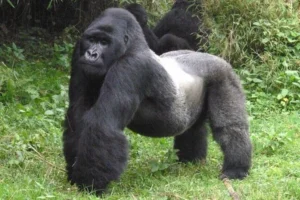
Volcanoes National Park protects several habituated mountain gorilla families that have become accustomed to the presence of researchers and carefully regulated tourist groups. This habituation process allows visitors to spend one unforgettable hour observing gorillas behaving naturally within their forest home while maintaining strict conservation standards that prioritize the animals’ welfare.
Every gorilla trek is unique. Some families may be located after a relatively short walk through bamboo forests, while others require several hours of hiking across steep slopes, muddy trails and dense vegetation. Regardless of the distance traveled, the moment visitors first encounter a wild gorilla family is widely regarded as one of Africa’s greatest wildlife experiences.
Mountain gorillas share approximately 98 percent of their DNA with humans, making their behavior remarkably familiar. Visitors often observe mothers gently caring for infants, playful juveniles wrestling with one another, curious youngsters climbing trees, and powerful silverbacks calmly supervising their families. These interactions provide an unforgettable glimpse into the social lives of one of humanity’s closest living relatives.
The experience begins early in the morning at the Kinigi Park Headquarters, where all trekkers gather before entering the forest.
H3: Morning Briefing at Kinigi
Every gorilla trekking adventure starts with a comprehensive briefing conducted by Rwanda Development Board park rangers at Kinigi. During this session, visitors receive detailed information about gorilla conservation, trekking procedures, safety regulations, photography guidelines and responsible behavior while observing gorillas.
Trekkers are then assigned to one of the habituated gorilla families based on factors such as group size, fitness level and the estimated location of each family within the forest. Experienced trackers who have been monitoring the gorillas since early morning communicate continuously with ranger guides to ensure each group follows the most appropriate route.
The briefing also provides an opportunity for visitors to hire local porters who assist by carrying backpacks, cameras and hiking equipment. Hiring a porter not only makes trekking easier but also provides valuable employment opportunities for surrounding communities, directly supporting Rwanda’s conservation model.
Beginning the Trek
After leaving Kinigi, visitors travel by vehicle to the appropriate trailhead before beginning their trek into the forest. Depending on the assigned gorilla family, the starting point may vary each day.
The initial stages of the trek often pass through cultivated farmland before entering the protected forest. Once inside Volcanoes National Park, visitors quickly become immersed in dense bamboo, towering trees, vines, moss-covered vegetation and the cool mountain atmosphere that defines the Virunga ecosystem.
The pace of the trek is determined by the terrain and the location of the gorillas. Ranger guides regularly stop to explain interesting plants, wildlife signs, bird species and conservation efforts while allowing visitors to rest whenever necessary.
The excitement steadily builds as radio communication confirms the gorillas’ location ahead.
The First Encounter with a Mountain Gorilla Family
As the trekking group moves deeper into the forest, the ranger guide remains in constant communication with the advance trackers who have been following the assigned gorilla family since dawn. These experienced trackers observe the gorillas from a safe distance, monitoring their movements and ensuring that trekking groups approach without causing unnecessary disturbance.
The final approach is often the most exciting part of the trek. Visitors are asked to speak quietly, switch mobile phones to silent mode, secure loose equipment and prepare cameras before leaving the trail. Dense vegetation may partially hide the gorillas at first, creating a sense of anticipation as branches move gently and the sound of leaves being pulled from nearby bushes becomes more noticeable.
Then comes the unforgettable moment when the first mountain gorilla appears.
It may be a powerful silverback sitting calmly beneath a tree while watching over his family, a female carefully grooming her infant, or a playful juvenile swinging effortlessly through the vegetation. For many visitors, this first sighting is deeply emotional. The realization that these are completely wild animals living freely within one of Africa’s oldest forests creates a profound appreciation for both nature and conservation.
Unlike animals viewed from safari vehicles, mountain gorillas continue their daily routines with little concern for the carefully managed presence of visitors. They feed, groom one another, rest, play, communicate and move naturally through the forest, allowing guests to observe authentic behaviors that few people on Earth have the privilege of witnessing.
Spending One Hour with the Gorillas
Once the trekking group reaches the gorilla family, visitors are permitted to spend a maximum of one hour in their presence. This strict time limit has been established to minimize stress on the gorillas while still providing visitors with an extraordinary wildlife experience.
During this hour, time seems to pass remarkably quickly. Every member of the gorilla family displays unique personalities and behaviors that make each encounter different from the last.
The dominant silverback typically occupies a central position within the group. His enormous size, muscular build and quiet confidence command respect, yet his behavior is usually calm and protective rather than aggressive. He constantly monitors the surrounding environment while ensuring the safety of females and young gorillas.
Adult females devote much of their time to caring for infants, feeding on leaves, shoots, roots and bamboo, or interacting peacefully with other members of the family. Their nurturing behavior demonstrates the strong maternal bonds that exist within gorilla society.
Young gorillas provide endless entertainment through their playful activities. They chase one another through the forest, tumble down small slopes, climb trees, wrestle, swing from branches and investigate unfamiliar objects with endless curiosity. Their playful nature often reminds visitors of young children at play.
Infants remain close to their mothers for security but frequently display curiosity toward nearby visitors. Although they may occasionally look directly toward trekking groups, they quickly return their attention to family members or continue playing within the safety of the group.
Observing these natural interactions provides an intimate understanding of gorilla social life and demonstrates how closely their behaviors resemble those of humans.
Understanding Gorilla Family Structure
Mountain gorillas live in stable family groups led by a dominant adult male known as the silverback. The silverback earns his name from the distinctive silver-colored hair that develops across his back as he reaches maturity.
The silverback serves as the undisputed leader of the family. He decides where the group travels, where it feeds, when it rests and how it responds to potential threats. His leadership helps maintain order and ensures the survival of the family.
A typical gorilla family consists of one dominant silverback, several adult females, blackback males, juveniles and infants. Some of the larger habituated families in Volcanoes National Park contain more than twenty individuals, while smaller groups may consist of fewer than ten members.
Family relationships are built upon cooperation rather than conflict. Grooming, playing, feeding together and caring for infants strengthen social bonds within the group. Conflicts are relatively rare and are usually resolved through displays of dominance rather than physical fighting.
Visitors often leave their trek with a greater appreciation for the intelligence, emotional depth and social complexity of mountain gorillas.
Communication Among Mountain Gorillas
Mountain gorillas communicate using a sophisticated combination of vocalizations, facial expressions, body posture and physical gestures. Researchers have identified more than twenty different vocal sounds, each serving a specific purpose within gorilla society.
Low grunts help maintain contact while feeding, reassuring family members that everything is calm. Mothers use soft vocalizations when interacting with infants, while juveniles frequently express excitement through playful calls.
The famous chest-beating display performed by silverbacks is often misunderstood. Rather than indicating aggression, chest beating usually functions as a form of communication, allowing the silverback to demonstrate strength, reinforce his authority or warn potential rivals without engaging in physical confrontation.
Visitors may also observe gorillas using eye contact, gentle touching, embracing and grooming to strengthen social relationships.
Watching these subtle interactions reveals a highly intelligent species capable of expressing complex social behavior remarkably similar to that of humans.
Feeding Habits of Mountain Gorillas
Mountain gorillas are herbivores, and much of their day revolves around feeding. An adult gorilla may consume more than thirty kilograms of vegetation each day, requiring them to spend many hours searching for suitable food.
Their diet includes bamboo shoots, wild celery, leaves, stems, vines, roots, tree bark, thistles, fruits and numerous other forest plants. The availability of different food sources varies according to season, altitude and rainfall.
During the trek, visitors often watch gorillas calmly pulling leaves from branches, stripping bark from stems or chewing bamboo shoots with remarkable patience. Despite their immense strength, gorillas generally feed quietly and peacefully.
Because Volcanoes National Park supports rich vegetation throughout the year, mountain gorillas rarely need to travel long distances in search of food.
Responsible Photography During Gorilla Trekking
Photographing mountain gorillas ranks among the highlights of any visit to Volcanoes National Park. The combination of dramatic forest scenery, natural light filtering through the trees and close encounters with gorillas creates exceptional opportunities for wildlife photography.
Visitors are encouraged to bring cameras capable of performing well in low-light forest conditions. Fast lenses, image stabilization and higher ISO settings are particularly useful because dense vegetation often reduces available light.
Flash photography is strictly prohibited because sudden bursts of light may disturb the gorillas. Photographers should also avoid excessive movement or loud camera noises while positioning themselves.
Rather than focusing exclusively on close-up portraits, photographers are encouraged to capture wider environmental images that show gorillas within their natural habitat. These photographs help tell the complete story of mountain gorilla conservation and the beauty of the Virunga forests.
The best wildlife photographs often result from patience. Waiting quietly while allowing gorillas to behave naturally produces authentic images that reflect their true personalities.
Gorilla Trekking Rules and Regulations
Strict rules govern gorilla trekking in Volcanoes National Park to protect both visitors and gorillas. These regulations are based on decades of scientific research and conservation experience.
Before entering the forest, every visitor receives a detailed briefing explaining these guidelines. Compliance is mandatory and contributes directly to the continued survival of mountain gorillas.
The minimum trekking age is fifteen years. This requirement helps ensure visitors possess the maturity and physical ability needed for the experience.
Trekkers must maintain a minimum distance of approximately seven meters from the gorillas whenever possible. Although gorillas occasionally move closer on their own, visitors should never deliberately approach them.
Anyone displaying symptoms of contagious illness, including flu, cough or other respiratory infections, should not participate in gorilla trekking. Because mountain gorillas share much of their genetic makeup with humans, they are highly susceptible to many human diseases.
Eating, drinking and smoking are prohibited while observing gorillas. Visitors should also avoid making sudden movements, loud noises or direct attempts to attract the gorillas’ attention.
If a gorilla approaches unexpectedly, visitors should remain calm and follow instructions provided by the ranger guide. Running away is strongly discouraged because sudden movement may alarm the animals.
These rules ensure that tourism remains compatible with long-term gorilla conservation.
Physical Fitness Required for Gorilla Trekking
One of the most common questions asked by travelers concerns the level of fitness required for gorilla trekking.
The answer varies because every trek is different. Some gorilla families remain relatively close to the park boundary and may be reached within one or two hours, while others travel into higher elevations requiring considerably longer hikes.
Trails frequently include muddy slopes, uneven volcanic ground, dense vegetation and steep forest terrain. Rainfall may also make certain sections slippery, particularly during the wet seasons.
Although a reasonable level of physical fitness is beneficial, many visitors of different ages successfully complete gorilla treks every year. The pace remains moderate, and guides regularly allow time for rest whenever necessary.
For travelers with limited mobility, the Rwanda Development Board can often allocate gorilla families located closer to the park entrance where conditions permit.
Hiring a porter is highly recommended because carrying heavy backpacks at high altitude can quickly become tiring. Porters not only reduce physical effort but also assist visitors across difficult sections of the trail.
With proper preparation, comfortable hiking boots and a positive attitude, most travelers find gorilla trekking to be challenging but highly rewarding.
The Importance of Hiring Local Porters
Many first-time visitors underestimate the value of hiring a porter until they begin trekking through the mountainous terrain of Volcanoes National Park.
Local porters assist by carrying backpacks, camera equipment, walking sticks and personal belongings throughout the trek. They also provide physical support on steep or slippery trails by offering a helping hand across difficult sections.
Beyond the practical assistance they provide, hiring a porter has an important social impact. Most porters come from communities surrounding Volcanoes National Park and rely on tourism income to support their families.
The porter program represents one of Rwanda’s most successful community conservation initiatives. By creating employment linked directly to gorilla tourism, local communities gain tangible economic benefits from protecting wildlife rather than exploiting forest resources.
At Kyooma Gorilla Safaris, we strongly encourage every client to hire a porter, regardless of age or physical fitness. The small additional cost contributes directly to local livelihoods while making the trekking experience significantly more comfortable and enjoyable.
Why Gorilla Trekking Changes People’s Lives
Many travelers arrive in Rwanda expecting an exciting wildlife activity. They leave describing gorilla trekking as one of the most meaningful experiences of their lives.
Standing quietly in an ancient mountain forest while watching a gorilla family interact naturally creates a rare connection between humans and wildlife. The intelligence visible in their eyes, the gentle care shown toward infants and the strong family relationships challenge many people’s previous perceptions of wild animals.
The experience often inspires a greater appreciation for conservation, biodiversity and the importance of protecting endangered species.
For photographers, researchers and wildlife enthusiasts, gorilla trekking offers opportunities that simply cannot be replicated elsewhere. For families, honeymoon couples and first-time safari travelers, it becomes the highlight of an African journey.
It is this unique combination of adventure, education, emotion and conservation that has made mountain gorilla trekking in Volcanoes National Park one of the world’s most extraordinary wildlife experiences and a journey that remains unforgettable long after visitors return home.
Gorilla Families in Volcanoes National Park
One of the most fascinating aspects of mountain gorilla trekking in Volcanoes National Park is the opportunity to visit one of several habituated gorilla families that live within the protected forests of the Virunga Mountains. Every gorilla family has its own history, leadership structure, personalities and behavior patterns, making each trekking experience unique. Some families are known for their exceptionally large silverbacks, while others are famous for playful juveniles, numerous infants or remarkable conservation stories.
Before entering the forest, every trekking group is assigned to a specific gorilla family based on factors such as group size, visitor fitness levels, the family’s current location and conservation management considerations. This system helps distribute tourism responsibly while minimizing pressure on individual gorilla groups.
Habituation is a gradual process that takes approximately two to three years. During this period, researchers and experienced trackers slowly introduce mountain gorillas to the presence of humans in a controlled and respectful manner. The objective is not to tame the gorillas but rather to ensure they remain calm and continue behaving naturally when visitors observe them from a safe distance.
Today, Volcanoes National Park is home to several fully habituated gorilla families available for tourism, each offering a different trekking experience.
Susa Gorilla Family
The Susa Gorilla Family is one of the most famous gorilla groups in the world. It gained international recognition through the pioneering research of Dian Fossey, who spent many years observing this remarkable family at the Karisoke Research Center.
Historically, Susa was the largest known mountain gorilla family in the Virunga Mountains, with more than forty members at one point. Although the family has naturally divided into smaller groups over time, it remains one of the most respected and historically significant gorilla families in Volcanoes National Park.
The trek to reach Susa Family is generally considered one of the most challenging because the gorillas often inhabit higher elevations on the slopes of Mount Karisimbi. Visitors should therefore expect longer hiking times and steeper terrain.
Those who complete the journey are rewarded with exceptional opportunities to observe relaxed gorillas within beautiful high-altitude forest environments. The family is known for its peaceful nature and fascinating social interactions.
Amahoro Gorilla Family
The Amahoro Gorilla Family takes its name from the Kinyarwanda word meaning “peace.” This name reflects the calm temperament of the group’s dominant silverback, who became well known for his gentle leadership style.
Amahoro Family usually occupies higher forest elevations, meaning visitors often undertake moderately challenging hikes to reach the group. The surrounding scenery includes bamboo forests, lush vegetation and panoramic mountain views.
The family is particularly appreciated by photographers because the gorillas frequently spend time feeding in relatively open areas where natural lighting creates excellent photographic conditions.
Visitors often describe Amahoro as one of the most peaceful and relaxed gorilla families in Volcanoes National Park.
Sabyinyo Gorilla Family
The Sabyinyo Gorilla Family is named after nearby Mount Sabyinyo and has become one of the most popular groups among visitors.
One reason for its popularity is that the family often remains relatively close to the park boundary, making trekking distances generally shorter than for some higher-altitude gorilla groups. This makes Sabyinyo an excellent choice for older visitors, families or travelers who prefer less physically demanding hikes.
The family has historically been led by an impressive silverback known for successfully protecting and expanding his group over many years. Strong family cohesion and frequent interactions between members make this group particularly enjoyable to observe.
Visitors commonly witness mothers caring for infants, juveniles playing together and the dominant silverback calmly supervising family activities.
Agashya Gorilla Family
Formerly known as Group 13, the Agashya Gorilla Family was renamed after a new silverback successfully assumed leadership of the group. The name Agashya means “news” or “good news,” symbolizing the successful transition in leadership.
Since Agashya became dominant, the family has expanded considerably and established itself as one of Volcanoes National Park’s most impressive gorilla groups.
The family often moves through varying elevations, meaning trekking distances may differ significantly from one day to another. Visitors may encounter the gorillas in bamboo forests, dense rainforest or higher mountain slopes depending on seasonal movements and food availability.
Agashya is well known for active juveniles and frequent social interactions, making it particularly rewarding for wildlife photography.
Kwitonda Gorilla Family
The Kwitonda Gorilla Family is named after its former dominant silverback, whose name means “humble one.” Originally migrating from the Democratic Republic of Congo into Rwanda, this family eventually established its territory within Volcanoes National Park.
Kwitonda Family often inhabits relatively remote forest areas, resulting in moderately challenging treks. However, visitors are rewarded with intimate observations of a calm and cohesive gorilla family living within beautiful natural surroundings.
The group has experienced steady growth over the years and continues to play an important role in Rwanda’s mountain gorilla conservation success.
Hirwa Gorilla Family
The Hirwa Gorilla Family represents one of the newer habituated groups within Volcanoes National Park. The word Hirwa translates as “fortunate” or “lucky,” reflecting the successful formation of the family when members from different gorilla groups came together naturally.
The family is especially popular among visitors because it frequently includes playful youngsters and curious juveniles whose energetic behavior provides endless entertainment.
Although the group’s location varies throughout the year, hikes to Hirwa generally involve moderate physical effort through bamboo forests and volcanic slopes.
Bwenge Gorilla Family
The Bwenge Gorilla Family was formed after a silverback named Bwenge separated from his original group and successfully established his own family.
The name Bwenge means “wisdom,” reflecting the determination and leadership shown by the founding silverback despite numerous challenges during the family’s early years.
Treks to Bwenge may involve steep forest terrain depending on the family’s location. Visitors frequently observe strong family bonds, attentive mothers and confident juveniles exploring their surroundings.
Bwenge Family offers a rewarding experience for travelers interested in observing authentic mountain gorilla social behavior.
Ugenda Gorilla Family
The Ugenda Gorilla Family derives its name from the Kinyarwanda word meaning “mobile” because the group is known for moving frequently throughout its territory.
Unlike some gorilla families that remain within relatively consistent areas, Ugenda may travel considerable distances in search of food. As a result, trekking difficulty varies significantly depending on where the family has settled on a particular day.
Despite these movements, visitors often enjoy peaceful encounters with gorillas feeding quietly within dense bamboo forests or resting among thick vegetation.
Muhoza Gorilla Family
The Muhoza Gorilla Family is among the more recently habituated groups available for tourism within Volcanoes National Park.
The family is known for its calm temperament and excellent opportunities for close observation. Because habituation occurred relatively recently, researchers continue monitoring the group’s long-term social development while carefully managing tourism.
Visitors assigned to Muhoza Family frequently praise the relaxed atmosphere surrounding the gorillas and the exceptional guidance provided by park rangers.
Pablo Gorilla Family
The Pablo Gorilla Family is one of the oldest known habituated gorilla groups within the Virunga ecosystem. Named after the legendary silverback Pablo, this family played an important role during early scientific research conducted within Volcanoes National Park.
Although the original leadership has changed over time through natural succession, Pablo Family continues to represent an important chapter in Rwanda’s gorilla conservation history.
Visitors often encounter multiple generations living together, providing fascinating insights into long-term mountain gorilla family dynamics.
How Gorilla Family Assignments Are Made
Many visitors wonder how park authorities decide which gorilla family they will visit.
Assignments are carefully managed each morning by experienced park officials at Kinigi Headquarters. Several important factors are considered before allocating visitors to specific families.
The first consideration is visitor fitness. Older travelers, families with children above the minimum age requirement and those requesting shorter hikes are often assigned to gorilla families located closer to the park boundary whenever possible.
Visitors seeking more adventurous trekking experiences may be allocated families inhabiting higher elevations requiring longer hikes through the mountains.
Group size is another important consideration. Rwanda limits each habituated gorilla family to a maximum of eight visitors per day, reducing disturbance while maintaining a high-quality visitor experience.
Researchers, photographers with specialized interests and documentary teams may occasionally receive specific assignments depending on permit availability and conservation requirements.
This careful allocation system ensures that tourism remains sustainable while protecting gorilla welfare.
Why Habituated Gorilla Families Are Essential for Conservation
The existence of habituated gorilla families has transformed mountain gorilla conservation throughout the Virunga Mountains.
Before responsible tourism developed, surrounding communities often received little direct economic benefit from protecting wildlife. Today, revenue generated through gorilla permits supports ranger salaries, veterinary programs, anti-poaching patrols, scientific research, habitat protection and community development initiatives.
Because only habituated families are visited by tourists under carefully controlled conditions, the majority of mountain gorillas continue living without regular human contact. This balance between tourism and conservation helps ensure that wildlife protection remains the primary objective of park management.
The success of Rwanda’s habituation and tourism program has contributed significantly to the gradual increase in mountain gorilla numbers over recent decades. It is widely recognized as one of the world’s most successful wildlife conservation models.
For visitors, meeting one of these remarkable gorilla families represents far more than an unforgettable safari activity. Every permit purchased contributes directly to protecting one of Earth’s rarest great apes and preserving the forests they call home for future generations.
Gorilla Trekking Permits in Volcanoes National Park
A gorilla trekking permit is one of the most important requirements for anyone planning to visit Volcanoes National Park. Without a valid permit issued through the Rwanda Development Board (RDB), visitors are not allowed to participate in gorilla trekking activities.
The permit system serves several critical purposes. It regulates visitor numbers, protects mountain gorillas from excessive human contact, generates funding for conservation and ensures that every trekking experience remains exclusive, well-managed and environmentally sustainable.
Unlike ordinary entrance tickets, gorilla permits are limited in number because only habituated gorilla families are available for tourism, and each family can receive a maximum of eight visitors per day. This strict limitation reduces stress on the gorillas while providing visitors with a more personal and rewarding wildlife experience.
For this reason, gorilla permits are considered one of the most valuable wildlife permits in Africa and are often booked several months in advance, especially during peak travel seasons.
What Does a Gorilla Permit Include?
A Rwanda gorilla trekking permit covers far more than simply allowing access to the forest.
The permit includes park entry for gorilla trekking, the services of professional ranger guides and trackers, security within the protected area, conservation fees, community development contributions and the unforgettable one-hour encounter with a habituated mountain gorilla family.
It also supports anti-poaching operations, habitat restoration, scientific monitoring, veterinary care through the Gorilla Doctors program and various community conservation initiatives around Volcanoes National Park.
Purchasing a gorilla permit therefore represents both a travel experience and a direct investment in wildlife conservation.
Gorilla Permit Cost
The cost of a Rwanda gorilla trekking permit reflects the country’s strong commitment to conservation, sustainable tourism and high-quality visitor experiences. Although the permit represents a significant investment, it provides access to one of the world’s rarest wildlife encounters while directly contributing to the protection of endangered mountain gorillas and their habitat.
The Rwanda Development Board (RDB) periodically reviews permit prices, meaning travelers should always confirm the current rates before making travel arrangements. At Kyooma Gorilla Safaris, we provide clients with the latest official permit prices and secure permits directly through the Rwanda Development Board on their behalf.
Unlike many tourism activities where the entrance fee primarily covers admission, gorilla permit revenue supports a wide range of conservation and community programs. Funds generated from permit sales contribute to ranger salaries, anti-poaching patrols, veterinary care, scientific research, habitat restoration, park infrastructure and community development projects surrounding Volcanoes National Park.
A portion of the revenue is also invested in local communities through Rwanda’s revenue-sharing program. Schools, health centers, clean water projects, roads and other community initiatives benefit directly from gorilla tourism. This approach encourages local residents to actively support wildlife conservation because they experience tangible benefits from protecting mountain gorillas and their forest habitat.
Although Rwanda’s gorilla permits are among the highest-priced wildlife permits in Africa, many travelers consider the experience exceptional value because of the exclusivity, conservation impact and once-in-a-lifetime nature of the encounter.
Why Gorilla Permits Are Limited
One of the reasons gorilla trekking remains such an exclusive experience is the strict limit placed on visitor numbers.
Only habituated gorilla families are available for tourism, and each family may receive a maximum of eight visitors per day. Visitors are allowed to spend only one hour observing the gorillas after locating them within the forest.
These restrictions have been carefully developed through decades of scientific research. Limiting visitor numbers reduces stress on the gorillas, minimizes the risk of disease transmission and allows the animals to continue behaving naturally within their environment.
By controlling tourism in this way, Rwanda has successfully balanced conservation with economic development. Visitors enjoy intimate wildlife encounters without overwhelming the gorillas or degrading their habitat.
The limited availability of permits also helps maintain the quality of the trekking experience. Rather than large crowds, visitors enjoy small, professionally guided groups that provide better wildlife viewing opportunities and more personalized interpretation from experienced ranger guides.
How to Book Gorilla Trekking Permits
Because of the limited number of permits available each day, booking well in advance is highly recommended.
Travelers have two primary options when securing gorilla permits. They may purchase permits directly through the Rwanda Development Board or book through a licensed safari operator such as Kyooma Gorilla Safaris.
Most international visitors choose to reserve permits through an experienced tour operator because the process becomes considerably easier. We confirm permit availability, reserve the preferred trekking date, arrange accommodation, organize transportation and coordinate the complete safari itinerary.
Booking through Kyooma Gorilla Safaris also reduces the risk of securing permits before confirming accommodation or transport. Our team ensures every component of the safari is coordinated efficiently, saving travelers valuable planning time.
Once payment has been confirmed, the Rwanda Development Board issues the permit for the selected trekking date. Visitors should carefully verify all travel details before confirming their booking because permit availability becomes increasingly limited during popular travel periods.
When Should You Book Your Gorilla Permit?
One of the most common questions travelers ask concerns how far in advance gorilla permits should be reserved.
The answer largely depends on the season in which you intend to travel.
For travel during the peak dry seasons, particularly from June to September and December to February, permits should ideally be booked six to twelve months before departure. These periods attract the highest number of international visitors because weather conditions are generally favorable for trekking.
Travelers planning luxury safaris, honeymoon trips or group tours should also reserve permits early since accommodation near Volcanoes National Park often fills quickly during peak seasons.
During the wetter months, permit availability is usually greater. However, early booking remains advisable because the number of permits issued each day remains strictly limited regardless of season.
At Kyooma Gorilla Safaris, we recommend confirming permits before booking international flights. Doing so ensures that your preferred trekking date is secured and allows the remainder of your itinerary to be planned around the confirmed permit.
H3: What Happens If Gorilla Permits Sell Out?
Because only a limited number of permits are available each day, popular travel dates occasionally become fully booked several months in advance.
If permits are unavailable for your preferred date, alternative dates may still be available. In some cases, adjusting your itinerary by one or two days is sufficient to secure a permit.
For travelers with flexible schedules, this often provides a simple solution.
When assisting our clients, Kyooma Gorilla Safaris continuously monitors permit availability and advises on the best alternative travel dates whenever necessary. Our experience planning gorilla safaris allows us to maximize the chances of securing permits even during busy travel periods.
Early communication with our safari consultants greatly improves booking flexibility and itinerary planning.
Gorilla Permit Cancellation Policy
Because gorilla permits are issued under strict conservation regulations, cancellation policies differ from those applied to many ordinary tourism activities.
The Rwanda Development Board establishes official cancellation procedures, and refund eligibility depends on factors such as the timing of cancellation and the specific circumstances involved.
Travelers should therefore avoid making assumptions regarding refunds and should carefully review the applicable cancellation conditions before confirming their booking.
Unexpected events such as medical emergencies may qualify for special consideration under certain circumstances, although supporting documentation is generally required.
Kyooma Gorilla Safaris assists clients throughout the booking process by explaining permit terms clearly and advising on suitable travel insurance that includes coverage for unexpected cancellations or travel interruptions.
Rules for Using a Gorilla Permit
Possessing a gorilla permit carries important responsibilities.
Permit holders must arrive at Kinigi Park Headquarters early on the morning of their scheduled trek for registration and the official ranger briefing.
Each permit is valid only for the assigned date and cannot normally be transferred to another person without authorization from the relevant authorities.
Visitors are expected to follow all instructions provided by ranger guides throughout the trekking experience. Failure to comply with conservation regulations may result in termination of the trek without refund.
Permit holders should carry valid identification matching the information used during the booking process.
Because gorilla trekking involves hiking through mountainous terrain, visitors should also ensure they arrive properly equipped with suitable clothing, waterproof footwear, drinking water and personal essentials.
Why Book Your Gorilla Permit Through Kyooma Gorilla Safaris?
Booking your gorilla trekking permit through Kyooma Gorilla Safaris provides peace of mind from the moment you begin planning your safari.
Our experienced team manages the complete reservation process, including permit availability checks, permit purchases, accommodation reservations, airport transfers, private transportation, professional safari guides and additional tour activities throughout Rwanda and Uganda.
Rather than arranging every component independently, travelers receive one professionally coordinated itinerary tailored to their interests, travel dates and budget.
We also provide pre-departure guidance covering fitness preparation, packing recommendations, visa requirements, weather expectations, travel insurance and photography advice, ensuring our guests arrive fully prepared for their gorilla trekking adventure.
Our commitment extends beyond securing permits. We remain available throughout your journey to provide local support and ensure every aspect of your Rwanda safari exceeds expectations.
Booking through Kyooma Gorilla Safaris means traveling with a trusted local tour operator dedicated to delivering unforgettable gorilla trekking experiences while supporting responsible tourism and wildlife conservation.
Golden Monkey Trekking in Volcanoes National Park
Although mountain gorillas are the most famous residents of Volcanoes National Park, another extraordinary primate experience awaits visitors within the park’s bamboo forests the endangered golden monkey.
Golden monkey trekking has become one of Rwanda’s most popular wildlife activities and provides an excellent complement to gorilla trekking. Many travelers choose to spend an additional day in Volcanoes National Park specifically to observe these energetic and colorful primates.
Unlike mountain gorillas, which spend much of their time feeding calmly on vegetation, golden monkeys are exceptionally active. They leap effortlessly between bamboo stems, climb trees with remarkable speed and move constantly through the forest canopy in search of food.
Their bright golden-orange fur, expressive faces and playful behavior make them one of Africa’s most photogenic primates.
Golden monkeys are endemic to the Albertine Rift, meaning they occur naturally only within a limited region of Central and East Africa. Volcanoes National Park protects one of the world’s most important populations, making Rwanda one of the best destinations for observing this endangered species.
What Are Golden Monkeys?
Golden monkeys are a rare subspecies of the blue monkey and are recognized by their brilliant golden-orange body coloration, dark limbs and expressive facial features.
They live in large social groups that may contain more than one hundred individuals, although visitors usually observe smaller sections of the troop feeding together within the forest.
Golden monkeys spend much of their lives in bamboo vegetation, where they feed on young bamboo shoots, leaves, fruits, flowers and insects. Their dependence on bamboo forests makes the protection of Volcanoes National Park essential for their long-term survival.
Their curious and playful personalities create a completely different wildlife experience from gorilla trekking, allowing visitors to appreciate the remarkable diversity of Rwanda’s mountain forests.
The Golden Monkey Trekking Experience
Golden monkey trekking begins at Kinigi Park Headquarters, where visitors receive a briefing similar to that provided before gorilla trekking.
After registration, ranger guides lead small groups into the bamboo forests where trackers have located the monkey troop.
Because golden monkeys generally occupy lower elevations than many gorilla families, trekking is often less physically demanding. However, the monkeys move quickly through the forest, meaning visitors should be prepared for continuous walking while following their movements.
Once the troop is located, visitors spend approximately one hour observing and photographing the monkeys as they feed, groom, play and travel through the bamboo.
The experience is lively, energetic and highly entertaining from beginning to end.
Photography During Golden Monkey Trekking
Golden monkeys provide exceptional opportunities for wildlife photography, although capturing high-quality images requires patience and fast camera settings because the animals rarely remain still for long.
Photographers should use continuous shooting mode when possible and select shutter speeds capable of freezing movement as monkeys leap between branches.
Morning light filtering through the bamboo often creates beautiful natural illumination, while the monkeys’ vibrant golden fur contrasts wonderfully against the deep green forest background.
Unlike gorilla trekking, where subjects often remain stationary for longer periods, photographing golden monkeys requires quick reactions and careful anticipation of movement.
Visitors who enjoy wildlife photography frequently consider golden monkey trekking one of the highlights of their Rwanda safari.
Conservation of Golden Monkeys
Like mountain gorillas, golden monkeys depend on healthy mountain forests for survival.
Habitat protection, scientific research, responsible tourism and community conservation initiatives all contribute to safeguarding this endangered primate.
Revenue generated from tourism supports conservation activities that benefit not only golden monkeys but also mountain gorillas, forest birds and countless other species sharing the Virunga ecosystem.
By participating in golden monkey trekking, visitors contribute directly to the continued protection of one of Africa’s rarest primates while enjoying an unforgettable wildlife experience within Volcanoes National Park.
Hiking Adventures in Volcanoes National Park
While mountain gorilla trekking is the primary reason many travelers visit Volcanoes National Park, the park is equally renowned for its spectacular mountain hiking opportunities. Rising dramatically above Rwanda’s famous rolling hills, the Virunga Volcanoes offer some of the finest trekking experiences in East Africa. From challenging summit expeditions to scenic nature walks through bamboo forests and ancient rainforests, the park caters to hikers with varying levels of fitness and adventure.
The volcanic landscape of Volcanoes National Park is unlike anywhere else in Africa. Dense forests gradually give way to giant heather, open alpine vegetation, volcanic ridges and breathtaking panoramic viewpoints. Every trail reveals changing ecosystems, unique wildlife, endemic plant species and unforgettable scenery.
For visitors seeking to experience Rwanda beyond gorilla trekking, hiking provides an excellent opportunity to explore the remarkable diversity of the Virunga ecosystem while gaining a deeper appreciation of the geological forces that shaped this extraordinary landscape.
Whether climbing Mount Karisimbi, standing beside the crater lake on Mount Bisoke or visiting the former Karisoke Research Center during the Dian Fossey Tomb Hike, every adventure offers its own unique rewards.
Mount Karisimbi Hike
Mount Karisimbi is the highest volcano in the Virunga Mountain range and one of the most rewarding hiking destinations in East Africa. Rising to approximately 4,507 meters (14,787 feet) above sea level, the mountain challenges hikers with a demanding ascent while rewarding them with breathtaking scenery and unforgettable experiences.
The Mount Karisimbi trek normally takes two days to complete. On the first day, hikers climb through cultivated farmland before entering dense bamboo forests and montane rainforest. As elevation increases, the landscape gradually changes into giant heather vegetation and Afro-alpine ecosystems characterized by giant lobelias, senecios and volcanic rock formations.
Trekkers spend the night at a designated mountain campsite before beginning the final ascent early the following morning. Temperatures at higher elevations can become surprisingly cold, particularly during the night, making warm clothing and appropriate camping equipment essential.
The summit offers spectacular views across Rwanda, Uganda and the Democratic Republic of Congo. On clear mornings, hikers can see multiple Virunga volcanoes rising above layers of mist-covered hills, creating one of the most impressive mountain panoramas in Africa.
Although physically demanding, Mount Karisimbi is considered one of the greatest hiking achievements available within Rwanda.
Mount Bisoke Hike
The Mount Bisoke hike is perhaps the most popular volcano trek in Volcanoes National Park because it combines moderate physical challenge with exceptional scenic rewards.
Standing at approximately 3,711 meters (12,175 feet), Mount Bisoke can usually be climbed within a single day. The highlight of the hike is its spectacular crater lake, which fills the summit caldera with emerald-green water surrounded by dramatic volcanic cliffs.
The trail begins through agricultural land before entering bamboo forest, where golden monkeys are occasionally seen feeding among fresh bamboo shoots. As hikers continue climbing, the vegetation changes to montane forest and giant heather before reaching the volcanic summit.
Because Mount Bisoke receives regular rainfall, the trail can become muddy and slippery throughout the year. Waterproof hiking boots, gaiters and trekking poles greatly improve comfort and stability during the climb.
Upon reaching the summit, hikers are rewarded with magnificent views of the crater lake and neighboring Virunga volcanoes stretching across international borders.
The Mount Bisoke hike represents an excellent choice for travelers seeking a memorable day adventure without committing to an overnight expedition.
Mount Muhabura Hike
Mount Muhabura, whose name means “The Guide,” rises to approximately 4,127 meters (13,540 feet) and forms part of the border between Rwanda and Uganda.
Historically, the mountain served as an important landmark for travelers navigating the surrounding countryside because its sharply pointed summit is visible from great distances.
The hike is considered strenuous due to its steep ascent, but experienced hikers are rewarded with some of the finest panoramic views within the Virunga Mountains.
As the trail climbs higher, hikers pass through several ecological zones, including bamboo forest, montane rainforest, open grassland and Afro-alpine vegetation. The changing scenery demonstrates the remarkable biodiversity supported by Volcanoes National Park.
From the summit, visitors enjoy sweeping views across the Virunga Massif, Rwanda’s rolling hills, Lake Burera, Lake Ruhondo and neighboring protected areas in Uganda and the Democratic Republic of Congo.
The combination of physical challenge and outstanding scenery makes Mount Muhabura a favorite among experienced mountain hikers.
Mount Gahinga Hike
Mount Gahinga is the smallest volcano within Rwanda’s section of the Virunga Mountains, reaching approximately 3,474 meters (11,398 feet) above sea level.
Its name translates as “small pile of stones,” referring to the numerous volcanic rocks scattered across its slopes.
Although less demanding than Mount Karisimbi or Mount Muhabura, Mount Gahinga provides an enjoyable hiking experience through beautiful bamboo forests and montane vegetation.
One of the most distinctive features of the mountain is its swamp-filled crater, surrounded by giant lobelias and high-altitude vegetation. The peaceful environment attracts numerous birds and occasionally golden monkeys moving through nearby bamboo forests.
Because of its moderate difficulty, Mount Gahinga appeals to travelers seeking a rewarding hike without undertaking one of the park’s more strenuous mountain expeditions.
Mount Sabyinyo Hike
Mount Sabyinyo is one of the most unusual volcanoes within the Virunga range. Its jagged summit resembles worn teeth, inspiring its local name meaning “Old Man’s Teeth.”
The mountain reaches approximately 3,669 meters (12,037 feet) and offers one of the most adventurous hikes available in the region.
Unlike other volcanoes characterized by rounded volcanic cones, Mount Sabyinyo features steep ridges, rocky outcrops and narrow mountain paths. Several sections require climbers to use ladders and carefully navigate exposed ridgelines.
The greatest attraction of the Mount Sabyinyo hike is the opportunity to stand at the point where Rwanda, Uganda and the Democratic Republic of Congo meet. Few places in Africa allow visitors to stand simultaneously within three countries while surrounded by such spectacular mountain scenery.
This unique geographical experience, combined with dramatic volcanic landscapes and rich biodiversity, makes Mount Sabyinyo one of the most memorable hiking destinations in East Africa.
Dian Fossey Tomb Hike
The Dian Fossey Tomb Hike is among the most meaningful experiences available within Volcanoes National Park. Rather than focusing solely on scenery or physical achievement, this hike introduces visitors to the remarkable conservation legacy of one of the world’s most influential primatologists.
The trail leads to the former Karisoke Research Center, established by Dian Fossey in 1967 between Mount Karisimbi and Mount Bisoke. Although the original research buildings no longer remain, the site continues to hold immense historical significance.
Visitors eventually reach the simple gravesite where Dian Fossey was buried beside her favorite gorilla, Digit, whose tragic death strengthened her commitment to protecting mountain gorillas from poaching.
Along the hike, ranger guides explain Fossey’s pioneering research, her dedication to gorilla conservation, the challenges she faced and the lasting influence of her work on modern wildlife protection.
Many visitors describe the hike as deeply emotional because it provides valuable context for understanding the extraordinary conservation success that travelers witness today.
Musanze Caves Exploration
Although technically located outside the national park boundaries, the Musanze Caves are frequently included within Volcanoes National Park itineraries.
Formed by ancient volcanic lava flows, these extensive caves stretch for more than two kilometers beneath the volcanic landscape. Massive chambers, naturally formed tunnels and fascinating geological formations create a completely different adventure from mountain trekking.
Visitors explore the caves with experienced guides who explain their geological formation, ecological importance and historical role as places of refuge during periods of conflict.
The caves are home to several bat species and provide an interesting insight into the volcanic history of the Virunga Mountains.
For travelers spending several days in the region, Musanze Caves offer an enjoyable additional excursion.
Nature Walks Around Volcanoes National Park
Not every visitor wishes to undertake strenuous mountain climbs. Fortunately, Volcanoes National Park also offers a variety of shorter guided nature walks suitable for travelers seeking a more relaxed experience.
These walks introduce visitors to the park’s unique vegetation, birds, butterflies, medicinal plants and forest ecology while providing opportunities to learn about conservation from knowledgeable local guides.
Nature walks often pass through bamboo forests and lower montane vegetation where visitors may observe colorful birds, chameleons, forest mammals and occasionally golden monkeys.
These excursions are particularly suitable for photographers, birdwatchers and families interested in exploring the natural beauty of the park at a comfortable pace.
Wildlife Encountered During Volcano Hikes
Although the primary objective of volcano hiking is reaching the summit, the journey itself frequently offers exciting wildlife encounters.
Golden monkeys are regularly observed feeding within bamboo forests, while forest buffaloes, bushbuck, duikers and numerous small mammals occasionally appear along the trails.
Bird enthusiasts may encounter Albertine Rift endemics, colorful turacos, sunbirds, francolins, flycatchers and other forest specialists inhabiting different vegetation zones.
Even when large mammals remain hidden, the rich biodiversity surrounding the hiking trails contributes significantly to the overall experience.
Every hike becomes both a mountain adventure and an opportunity to appreciate the extraordinary ecological richness of Volcanoes National Park.
Best Time for Volcano Hiking
Volcano hiking can be enjoyed throughout the year, although many travelers prefer the dry seasons from June to September and December to February.
During these months, trails are generally drier and visibility is often better, providing clearer mountain views and easier hiking conditions.
However, the rainy seasons also possess their own unique beauty. Mist-covered volcanoes, lush vegetation and fewer visitors create an especially atmospheric environment for adventurous travelers.
Because mountain weather changes rapidly regardless of season, hikers should always carry waterproof clothing, warm layers and sufficient drinking water.
Essential Equipment for Volcano Hiking
Proper preparation greatly improves both safety and comfort during volcano hikes.
Recommended equipment includes waterproof hiking boots with good ankle support, gaiters, waterproof jackets, warm fleece clothing, hiking trousers, gloves, sun protection, trekking poles, drinking water, energy snacks and a small backpack.
Because higher elevations become considerably colder than lower areas, layered clothing allows hikers to adjust comfortably as temperatures change throughout the day.
Professional hiking guides from Kyooma Gorilla Safaris also provide practical advice before departure, ensuring guests carry appropriate equipment for their chosen route.
Why Hiking Complements Gorilla Trekking
Many travelers initially visit Volcanoes National Park solely for gorilla trekking but later discover that hiking adds a completely different perspective to their safari.
While gorilla trekking introduces visitors to the park’s incredible wildlife, volcano hiking reveals the dramatic landscapes, geological history and ecological diversity that make the Virunga ecosystem so unique.
Combining both activities allows travelers to appreciate Volcanoes National Park not only as the home of mountain gorillas but also as one of Africa’s most spectacular mountain wilderness areas.
Whether climbing to the summit of Mount Karisimbi, standing beside the crater lake on Mount Bisoke or following the footsteps of Dian Fossey through the forest, hiking transforms an ordinary wildlife holiday into a comprehensive exploration of Rwanda’s natural heritage.
Wildlife in Volcanoes National Park
Although Volcanoes National Park is internationally renowned for its mountain gorillas, the park protects a far richer diversity of wildlife than many visitors realize. The ancient forests of the Virunga Mountains support a remarkable variety of mammals, primates, birds, reptiles, amphibians, butterflies and countless smaller organisms that together create one of the most biologically important ecosystems in Africa.
The park forms part of the Albertine Rift, one of the world’s recognized biodiversity hotspots. Its varied altitudes, volcanic soils, abundant rainfall and diverse vegetation create ideal habitats for numerous endemic and endangered species. From dense bamboo forests to Afro-alpine vegetation near the volcanic summits, every ecological zone supports different forms of wildlife adapted to life within the mountains.
Unlike the open savannahs of East Africa where wildlife is easily observed from safari vehicles, Volcanoes National Park offers a true forest safari experience. Animals often remain hidden within dense vegetation, making every wildlife sighting exciting and rewarding. The park invites visitors to appreciate the intricate relationships between wildlife, forests and conservation rather than simply searching for large mammals.
For travelers visiting with Kyooma Gorilla Safaris, exploring the park’s biodiversity provides a deeper understanding of why Volcanoes National Park is considered one of Africa’s greatest conservation success stories.
Mountain Gorillas
Mountain gorillas are undoubtedly the most famous residents of Volcanoes National Park and the primary reason the park attracts thousands of international visitors each year.
These critically important great apes inhabit the cool montane forests of the Virunga Mountains, where they live in stable family groups led by dominant silverbacks. Rwanda’s long-term investment in conservation, research and responsible tourism has helped protect one of the world’s remaining mountain gorilla populations.
Mountain gorillas are entirely herbivorous and spend much of their day feeding on leaves, bamboo shoots, stems, roots, wild celery and other forest vegetation. Their peaceful nature, intelligence and complex family relationships have fascinated scientists and travelers for decades.
The opportunity to observe mountain gorillas behaving naturally within their forest habitat remains one of the world’s greatest wildlife experiences.
Golden Monkeys
Golden monkeys are another flagship species of Volcanoes National Park and one of the most endangered primates in Africa.
Their striking golden-orange fur, expressive faces and energetic personalities make them a favorite among photographers and wildlife enthusiasts.
Unlike mountain gorillas, golden monkeys spend much of their time moving rapidly through bamboo forests in search of young bamboo shoots, fruits, leaves and insects. Their playful behavior creates a lively wildlife experience that perfectly complements gorilla trekking.
Because golden monkeys are endemic to the Albertine Rift, Volcanoes National Park represents one of the best places anywhere in the world to observe this remarkable species.
Forest Elephants
Although rarely seen due to their secretive behavior and dense forest habitat, forest elephants inhabit parts of the Virunga ecosystem.
Forest elephants are generally smaller than the familiar African savannah elephant and possess straighter tusks adapted for moving through thick vegetation.
These elusive animals play an essential ecological role by dispersing seeds, creating natural pathways through the forest and influencing vegetation growth.
Most visitors do not encounter forest elephants during gorilla trekking because their populations remain relatively small and they actively avoid human activity. Nevertheless, their presence contributes significantly to the ecological integrity of Volcanoes National Park.
African Buffalo
Small populations of African buffalo also occur within Volcanoes National Park.
Unlike buffalo inhabiting open savannah ecosystems, forest buffalo spend much of their time hidden within dense vegetation, making sightings relatively uncommon.
They feed on grasses, herbs and shrubs while contributing to forest ecology through grazing and seed dispersal.
Because buffalo can be unpredictable if surprised, ranger guides remain alert during trekking activities and continuously monitor wildlife movements throughout the park.
Bushbuck
Bushbuck are graceful forest antelopes commonly found within Volcanoes National Park.
Their reddish-brown coats marked with white spots and stripes provide effective camouflage among dense vegetation.
Bushbuck are usually solitary or occur in small groups, feeding quietly on leaves, shoots, fruits and shrubs.
Visitors occasionally observe bushbuck crossing forest trails during gorilla treks or volcano hikes, particularly during the early morning or late afternoon.
Black-Fronted Duiker
The Black-fronted Duiker is another shy forest antelope inhabiting Volcanoes National Park.
This small antelope prefers dense undergrowth where it feeds on leaves, fruits, flowers and fallen vegetation.
Because of its secretive nature and excellent camouflage, sightings are relatively rare. However, experienced ranger guides sometimes identify fresh tracks or feeding signs along forest trails.
Protecting dense montane forest is essential for the continued survival of this species.
Giant Forest Hog
The giant forest hog is Africa’s largest wild pig species and occasionally inhabits sections of the Virunga forests.
Although encounters remain uncommon due to dense vegetation, these impressive animals contribute to forest ecology through their feeding behavior and soil disturbance.
They forage for roots, tubers, fruits and invertebrates while moving through forest undergrowth.
Observing a giant forest hog in its natural habitat is considered a memorable wildlife sighting for fortunate visitors.
Bush Pigs
Bush pigs also occur within Volcanoes National Park, although they are primarily nocturnal and therefore rarely observed during daytime trekking activities.
These adaptable omnivores feed on roots, fruits, insects and small animals while helping recycle nutrients throughout the forest ecosystem.
Evidence of bush pig activity is often visible through rooting marks left on forest floors.
Spotted Hyenas
Although rarely associated with mountain forests, spotted hyenas occasionally utilize parts of the wider Virunga ecosystem.
Their presence contributes to maintaining ecological balance by scavenging carcasses and controlling populations of smaller animals.
Direct sightings within Volcanoes National Park remain extremely uncommon because hyenas are generally active after dark.
Primates Beyond Gorillas
Volcanoes National Park supports several additional primate species besides mountain gorillas and golden monkeys.
These include:
- Blue Monkeys
- Olive Baboons
- L’Hoest’s Monkeys
- Black-and-White Colobus Monkeys
Each species occupies slightly different ecological niches within the forest, contributing to the remarkable primate diversity of the Virunga Mountains.
Blue monkeys frequently forage high within forest canopies, while L’Hoest’s monkeys prefer dense understory vegetation. Black-and-white colobus monkeys are easily recognized by their striking coats and long white tails.
Observing multiple primate species during a single visit highlights the exceptional biodiversity of Volcanoes National Park.
Reptiles
Although reptiles are not the park’s primary attraction, Volcanoes National Park supports several fascinating reptile species adapted to cool mountain environments.
Visitors occasionally encounter:
- Forest chameleons
- Tree lizards
- Skinks
- Small forest snakes
Most reptile species remain harmless and contribute to controlling insect populations while serving as prey for birds and mammals.
Because temperatures remain relatively cool at higher elevations, reptile activity is generally lower than in Rwanda’s lower-altitude ecosystems.
Amphibians
The moist forests and wetlands of Volcanoes National Park provide ideal habitats for numerous amphibian species.
Various frogs, toads and salamander-like amphibians inhabit streams, marshes and damp forest floors.
Several amphibian species occurring within the Albertine Rift are endemic to the region, meaning they occur nowhere else on Earth.
Healthy amphibian populations serve as important indicators of environmental quality because these animals are particularly sensitive to pollution and habitat degradation.
Butterflies
The flowering plants and forest vegetation of Volcanoes National Park support an impressive diversity of butterflies.
Hundreds of butterfly species inhabit different elevations throughout the park, displaying remarkable variations in color, size and wing patterns.
Photographers often find butterflies especially rewarding subjects because they remain active throughout much of the day and frequently feed on flowering plants beside forest trails.
Butterflies also play essential ecological roles through pollination and as part of the forest food web.
Insects and Other Small Wildlife
Although frequently overlooked, insects represent one of the most important components of Volcanoes National Park’s biodiversity.
Bees, ants, beetles, dragonflies, moths and numerous other insects pollinate plants, recycle nutrients and provide food for birds, reptiles and amphibians.
Leaf-cutter ants create fascinating forest highways, while colorful dragonflies inhabit streams and wetlands.
Even the smallest organisms contribute to maintaining the delicate ecological balance upon which larger wildlife species ultimately depend.
Wildlife Adaptations to Mountain Environments
Living within the cool high-altitude forests of the Virunga Mountains requires remarkable adaptations.
Mountain gorillas possess thick fur that provides insulation against cold temperatures and frequent rainfall.
Golden monkeys rely heavily on bamboo forests that supply both food and shelter.
Many birds exhibit specialized feeding behaviors adapted to montane vegetation, while amphibians thrive within constantly moist environments created by regular mountain rainfall.
These unique adaptations demonstrate how wildlife has evolved alongside the volcanic landscape over thousands of years.
Conservation of Wildlife in Volcanoes National Park
The protection of Volcanoes National Park extends far beyond mountain gorillas.
Park authorities, researchers, conservation organizations and surrounding communities work together to safeguard the entire ecosystem, recognizing that every species contributes to the health of the forest.
Anti-poaching patrols, habitat restoration, scientific monitoring, veterinary programs and community education all play vital roles in protecting wildlife.
Responsible tourism provides sustainable funding for these activities, ensuring that future generations will continue experiencing the extraordinary biodiversity of the Virunga Mountains.
Every visitor who chooses Volcanoes National Park contributes directly to preserving one of Africa’s richest natural ecosystems.
Bird Watching in Volcanoes National Park
For bird enthusiasts, Volcanoes National Park ranks among the finest birdwatching destinations in Central and East Africa. Although many visitors arrive primarily for gorilla trekking, experienced birders recognize the park as one of the Albertine Rift’s most important avian habitats.
More than 200 bird species have been recorded within Volcanoes National Park, including numerous Albertine Rift endemics that occur nowhere else in the world. The combination of bamboo forests, montane rainforest, giant heather vegetation, wetlands and alpine ecosystems provides an extraordinary variety of habitats supporting resident and migratory birds.
Whether you are an experienced ornithologist or simply enjoy observing colorful birds during nature walks, Volcanoes National Park offers exceptional birdwatching opportunities throughout the year.
Why Volcanoes National Park Is a Birdwatcher’s Paradise
Several factors combine to make Volcanoes National Park an outstanding destination for birdwatching.
Its location within the Albertine Rift places it inside one of Africa’s richest regions for endemic bird species. The park’s dramatic changes in altitude create multiple ecological zones supporting different bird communities, while its relatively undisturbed forests provide secure breeding habitats for many rare species.
Unlike open savannah birding, birdwatching in Volcanoes National Park is an immersive forest experience where patience is rewarded with sightings of some of Africa’s most sought-after montane birds.
Guided birding excursions with knowledgeable local guides significantly improve the chances of locating many of the park’s elusive species.
Albertine Rift Endemic Bird Species
One of the greatest reasons birdwatchers travel to Volcanoes National Park is the opportunity to observe Albertine Rift endemic bird species. The Albertine Rift, which forms part of the western branch of the Great Rift Valley, is internationally recognized as one of Africa’s most important biodiversity hotspots. Many bird species found within this region occur nowhere else on Earth, making Volcanoes National Park a dream destination for serious birders.
The park’s high-altitude forests provide suitable habitat for numerous endemic birds whose survival depends upon the continued protection of the Virunga ecosystem. Spotting even a few of these species represents a significant achievement for visiting birdwatchers.
Among the Albertine Rift endemics regularly sought by visitors are the Rwenzori Turaco, Archer’s Robin-Chat, Red-faced Woodland Warbler, Rwenzori Batis, Strange Weaver, Dusky Crimsonwing, Grauer’s Swamp Warbler and Regal Sunbird.
Because many endemic birds inhabit dense forest canopies or bamboo vegetation, patience and experienced local guides greatly improve observation opportunities.
The Magnificent Rwenzori Turaco
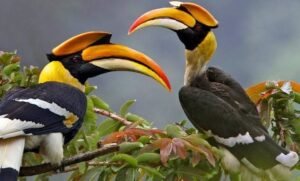
The Rwenzori Turaco is one of the most spectacular birds found within Volcanoes National Park and is often considered the symbol of birdwatching in the Albertine Rift.
Its brilliant green body, deep blue wings and striking crimson flight feathers create an unforgettable sight as it glides gracefully through the forest canopy.
Despite its colorful appearance, the Rwenzori Turaco blends remarkably well into dense vegetation, making careful observation necessary.
Visitors often hear its distinctive calls before seeing the bird itself. Experienced bird guides recognize these vocalizations and help visitors locate the turacos hidden among the treetops.
For many birdwatchers, photographing the Rwenzori Turaco becomes one of the highlights of their visit to Volcanoes National Park.
Sunbirds of Volcanoes National Park
The forests of Volcanoes National Park support several species of beautiful sunbirds whose brilliant metallic plumage rivals that of hummingbirds.
Among the most sought-after species is the Regal Sunbird, an Albertine Rift endemic distinguished by its iridescent green, blue and red plumage.
Other sunbird species found within the park include the Purple-breasted Sunbird, Bronze Sunbird and Variable Sunbird.
These energetic birds feed primarily on nectar, insects and spiders while pollinating numerous flowering plants throughout the forest ecosystem.
Their constant movement and vibrant colors make them favorite subjects for bird photographers.
H3: Forest Robins and Chats
Volcanoes National Park provides habitat for several attractive forest robins and chat species.
Archer’s Robin-Chat, one of the Albertine Rift endemics, is particularly sought after by visiting birdwatchers.
These birds inhabit dense undergrowth where they forage quietly for insects among fallen leaves and moss-covered forest floors.
Although relatively small, their colorful plumage and melodious songs make them rewarding sightings during guided forest walks.
Forest Warblers
Dense bamboo forests and montane vegetation provide ideal habitat for numerous warbler species.
The Red-faced Woodland Warbler ranks among the park’s most desirable endemic birds. Other species include Grauer’s Warbler, Mountain Yellow Warbler and several other forest specialists.
Because warblers move actively through dense vegetation, they require careful observation and quick identification skills.
Experienced local bird guides often recognize their calls long before the birds become visible.
Weavers and Forest Finches
The forests surrounding Volcanoes National Park also support several interesting weaver and finch species.
The Strange Weaver, another Albertine Rift endemic, attracts considerable interest among experienced birdwatchers because of its restricted distribution.
Dusky Crimsonwing, one of Africa’s most elusive finches, occasionally rewards persistent observers exploring bamboo habitats at higher elevations.
Although small in size, these birds represent important components of the park’s remarkable avian diversity.
Raptors of Volcanoes National Park
Birds of prey occupy an important position within the park’s ecological balance.
Several eagle, hawk and owl species inhabit the forests and volcanic slopes, helping regulate populations of rodents, reptiles and smaller birds.
Species occasionally recorded include:
- Crowned Eagle
- Mountain Buzzard
- African Harrier-Hawk
- Augur Buzzard
- African Goshawk
- Verreaux’s Eagle
- African Wood Owl
Because many raptors soar above forest canopies or hunt from concealed perches, sightings often occur unexpectedly during gorilla treks or volcano hikes.
Water-Associated Bird Species
Although Volcanoes National Park is primarily a mountain forest ecosystem, streams, wetlands and swampy areas support numerous water-associated bird species.
Visitors may observe:
- African Black Duck
- Grey Wagtail
- White-tailed Blue Flycatcher
- Swamp Flycatcher
- Little Rush Warbler
Wetland habitats provide important breeding areas and feeding grounds for these specialized birds.
Conserving these smaller aquatic ecosystems is therefore essential for maintaining the park’s overall biodiversity.
Birdwatching Along Gorilla Trekking Trails
One of the unique advantages of visiting Volcanoes National Park is that birdwatching naturally complements gorilla trekking.
While trekking through bamboo forests and montane rainforest, visitors regularly encounter colorful forest birds moving through the canopy or feeding beside the trail.
Experienced ranger guides often pause to identify interesting species before continuing toward the assigned gorilla family.
As a result, many visitors enjoy rewarding birdwatching opportunities without booking separate birding excursions.
Photographers carrying telephoto lenses frequently capture remarkable bird images alongside their gorilla photographs.
Dedicated Birdwatching Excursions
For serious bird enthusiasts, dedicated birdwatching excursions provide the best opportunities to maximize species observations.
These specialized outings usually begin early in the morning when bird activity reaches its highest levels.
Professional bird guides accompany visitors through selected forest trails while identifying birds by sight and sound.
The slower pace allows participants to concentrate entirely on bird identification, photography and ecological interpretation.
Dedicated birding excursions may also include nearby wetlands, agricultural landscapes and forest edges, further increasing species diversity.
Best Time for Birdwatching
Birdwatching in Volcanoes National Park is rewarding throughout the year.
Resident forest birds remain present in every season, while seasonal changes influence breeding behavior, vocal activity and visibility.
Many birdwatchers prefer the wetter months because increased flowering and insect abundance stimulate greater bird activity.
The dry seasons from June to September and December to February generally provide easier hiking conditions and improved visibility along forest trails.
Early morning remains the best time for birdwatching because most species become particularly active shortly after sunrise.
Bird Photography Tips
Photographing forest birds presents unique challenges due to low light conditions beneath the canopy.
Successful bird photographers typically use cameras capable of performing well at higher ISO settings together with telephoto lenses of at least 300 millimeters.
Fast shutter speeds help capture birds moving rapidly through branches, while continuous autofocus improves image sharpness.
Patience remains one of the most valuable skills. Remaining quiet and allowing birds to resume natural behavior often produces the most rewarding photographs.
Natural forest light filtering through leaves frequently creates beautiful photographic opportunities unavailable in more open habitats.
Conservation of Birdlife
The remarkable diversity of birdlife found within Volcanoes National Park depends entirely upon healthy mountain forests.
Habitat destruction, climate change and illegal forest activities represent potential threats to many specialized bird species.
Fortunately, Rwanda’s strong conservation policies, protected area management and responsible tourism continue safeguarding these important habitats.
Revenue generated through gorilla trekking and other tourism activities supports habitat protection that benefits birds alongside mountain gorillas, golden monkeys and numerous other wildlife species.
Birdwatchers visiting Volcanoes National Park therefore contribute directly to preserving one of Africa’s richest montane bird ecosystems.
Vegetation and Ecosystems of Volcanoes National Park
Volcanoes National Park owes much of its extraordinary biodiversity to the remarkable diversity of vegetation found across its volcanic slopes. Changes in altitude, rainfall, temperature and volcanic soils have created several distinct ecological zones, each supporting specialized plant and animal communities.
From dense bamboo forests at lower elevations to Afro-alpine vegetation near volcanic summits, the park’s ecosystems function together as an interconnected natural environment supporting mountain gorillas and countless other species.
Understanding these ecosystems enhances every visit because travelers begin appreciating not only the wildlife itself but also the habitats upon which that wildlife depends.
Bamboo Forest Ecosystem
The bamboo forests of Volcanoes National Park represent one of the park’s most important ecological zones.
Mountain gorillas frequently visit bamboo areas to feed on fresh bamboo shoots, particularly during periods when these shoots become abundant.
Golden monkeys depend heavily upon bamboo forests throughout the year for food, shelter and movement.
The tall bamboo stems create a cool, shaded environment where numerous birds, insects and smaller mammals also thrive.
Because bamboo regenerates rapidly following seasonal growth cycles, it provides a reliable food source supporting much of the park’s wildlife.
Montane Rainforest
Above the bamboo zone lies the dense montane rainforest that forms the heart of Volcanoes National Park.
Towering trees covered in moss, climbing vines, ferns and epiphytic plants create a lush environment characterized by high humidity and rich biodiversity.
Mountain gorillas spend much of their time within these forests feeding, resting and raising their young.
The rainforest also supports forest elephants, bushbuck, primates, birds, reptiles, amphibians and countless invertebrates.
Regular rainfall combined with fertile volcanic soils creates ideal growing conditions for a wide variety of native plant species.
Giant Heather Zone
At higher elevations, dense rainforest gradually transitions into giant heather vegetation.
Large heather trees covered in moss and lichens dominate this unique landscape, creating an almost mystical atmosphere frequently enhanced by drifting mountain mist.
The giant heather zone supports specialized birds, insects and plant species adapted to cooler temperatures and stronger winds.
Visitors climbing Mount Karisimbi or Mount Bisoke experience this dramatic ecological transition during their ascent.
Afro-Alpine Ecosystem
Near the highest volcanic summits, vegetation changes once again into the Afro-alpine ecosystem.
This harsh environment experiences lower temperatures, stronger winds and increased exposure to sunlight.
Only highly specialized plants survive here, including giant lobelias, giant groundsels (senecios), alpine grasses and hardy flowering species adapted to mountain conditions.
These remarkable plants create some of East Africa’s most unusual mountain landscapes and are found primarily on the higher slopes of the Virunga volcanoes.
Wetlands and Marshes
Although often overlooked, wetlands and marshy areas form another important component of Volcanoes National Park’s ecosystems.
These habitats support amphibians, aquatic insects, specialized birds and moisture-loving plants while helping regulate water flow throughout the mountains.
Wetlands also contribute to maintaining water quality for surrounding communities and agricultural areas beyond the park boundaries.
Protecting these sensitive habitats benefits both wildlife conservation and human livelihoods.
Volcanic Soils and Plant Growth
The fertility of Volcanoes National Park owes much to its volcanic origins.
Ancient lava flows and volcanic ash have produced nutrient-rich soils capable of supporting dense forest growth despite the challenging mountain environment.
These fertile soils also explain why surrounding communities cultivate productive farms growing potatoes, beans, maize, wheat, vegetables, bananas and coffee.
The close relationship between volcanic geology and biological productivity demonstrates how geological processes continue shaping the landscape thousands of years after volcanic activity occurred.
Plant Diversity
Botanists have recorded hundreds of plant species within Volcanoes National Park.
These include towering forest trees, shrubs, bamboo, orchids, ferns, mosses, medicinal plants, flowering herbs, grasses and rare alpine vegetation.
Many plants possess important ecological roles, providing food, nesting sites and shelter for wildlife.
Several species also hold cultural and medicinal significance for surrounding communities, reflecting the longstanding relationship between local people and the Virunga forests.
Why Healthy Ecosystems Matter
Every ecosystem within Volcanoes National Park contributes to the survival of mountain gorillas and countless other wildlife species.
Without healthy bamboo forests, golden monkeys would lose their primary habitat.
Without montane rainforest, gorillas would lack food and shelter.
Without wetlands, amphibians and aquatic birds would disappear.
Protecting the entire ecosystem rather than individual species remains the foundation of Rwanda’s successful conservation strategy.
This ecosystem-based approach explains why Volcanoes National Park has become one of Africa’s greatest examples of sustainable wildlife conservation, balancing tourism, scientific research, habitat protection and community development for the benefit of future generations.
Best Time to Visit Volcanoes National Park
One of the most frequently asked questions by travelers planning a Rwanda safari is, “When is the best time to visit Volcanoes National Park?” The answer depends largely on your travel preferences, the activities you wish to enjoy and the type of experience you hope to have.
The good news is that Volcanoes National Park is a year-round destination. Mountain gorilla trekking, golden monkey trekking, birdwatching, volcano hiking and cultural experiences are available throughout the year. Because mountain gorillas remain within the protected forests regardless of season, visitors have an opportunity to observe them during every month.
However, weather conditions, trail accessibility, photography opportunities, visitor numbers and accommodation availability vary throughout the year. Understanding these seasonal differences helps travelers choose the period that best suits their expectations.
At Kyooma Gorilla Safaris, we organize safaris throughout every season and help our guests select travel dates based on their interests, budget and preferred travel style.
Dry Season (June to September)
The period between June and September is widely regarded as the best time to visit Volcanoes National Park.
These months generally experience lower rainfall, resulting in drier hiking trails and more comfortable trekking conditions. Although mountain weather remains unpredictable, visitors usually encounter less mud and improved visibility compared to the wetter months.
The dry season is particularly popular among travelers undertaking mountain gorilla trekking because navigating steep volcanic terrain becomes easier.
Volcano hiking is also especially enjoyable during this period. Trails leading to Mount Karisimbi, Mount Bisoke and other Virunga volcanoes are generally less slippery, making hiking safer and more comfortable.
Photography conditions are often excellent. Morning mist may gradually clear to reveal spectacular mountain scenery, while brighter natural light improves wildlife photography.
Because of these advantages, the dry season represents the busiest tourism period in Volcanoes National Park. Gorilla permits and accommodation frequently sell out several months in advance.
Travelers planning to visit during these months should reserve permits and lodging as early as possible.
Short Dry Season (December to February)
A second dry period occurs between December and February.
Like the longer dry season, these months usually provide favorable trekking conditions and excellent opportunities for photography.
Many international travelers choose this period because it coincides with holiday travel, making it popular among honeymooners, families and visitors combining Rwanda with other East African safari destinations.
The forests remain beautifully green despite lower rainfall, creating outstanding conditions for wildlife viewing and landscape photography.
Accommodation demand also increases significantly during this season, making advance reservations highly advisable.
Long Rainy Season (March to May)
The long rainy season extends from March through May.
During these months, Volcanoes National Park receives heavier rainfall, transforming the forests into exceptionally lush landscapes.
Trails often become muddy and more physically demanding, particularly on steeper volcanic slopes. Visitors should therefore prepare with waterproof clothing, gaiters and quality hiking boots.
Despite these challenges, the rainy season offers several advantages.
Vegetation reaches its most vibrant condition, waterfalls become more impressive and mist-covered volcanoes create breathtaking scenery that many photographers find especially appealing.
Visitor numbers are generally lower than during the dry seasons, allowing for a quieter and more peaceful experience.
Travelers who do not mind occasional rainfall often discover that this season provides excellent value, with increased accommodation availability and a more relaxed atmosphere throughout the park.
Short Rainy Season (October to November)
The short rainy season usually occurs between October and November.
Rainfall is generally lighter than during the long rainy season, although afternoon showers remain common.
The forests remain lush and green, while bird activity increases due to breeding behavior and abundant food resources.
Many photographers appreciate the dramatic cloud formations and atmospheric mountain landscapes created during this season.
Golden monkey trekking and gorilla trekking continue operating normally, with experienced guides adapting trekking routes according to daily weather conditions.
Gorilla Trekking Throughout the Year
One important fact often misunderstood by first-time visitors is that mountain gorilla trekking is available every day throughout the year.
Mountain gorillas do not migrate seasonally. Instead, they remain within the protected forests of the Virunga Mountains where researchers and trackers monitor their movements daily.
Regardless of whether you visit in January, June or November, your chances of successfully locating your assigned gorilla family remain extremely high.
The primary seasonal difference lies not in gorilla availability but in trail conditions and weather during the hike.
This makes Volcanoes National Park one of Africa’s few wildlife destinations where visitors can enjoy exceptional wildlife encounters during every month of the year.
Best Time for Volcano Hiking
Volcano hiking is generally most comfortable during the dry seasons when trails remain firmer and summit views are more likely to be unobstructed.
Mount Bisoke, Mount Karisimbi, Mount Muhabura, Mount Gahinga and Mount Sabyinyo all become more accessible under drier conditions.
However, mountain weather changes rapidly regardless of season. Hikers should always prepare for rain, cold temperatures and strong winds even when forecasts predict sunshine.
Those who enjoy dramatic mountain scenery often appreciate hiking during the rainy months because mist and cloud create particularly atmospheric landscapes.
Best Time for Golden Monkey Trekking
Golden monkey trekking is rewarding throughout the year because these energetic primates remain within the bamboo forests regardless of season.
During periods when fresh bamboo shoots emerge, visitors often observe particularly active feeding behavior.
Because golden monkeys move rapidly through the forest, photography opportunities depend more upon natural lighting than season alone.
Morning departures generally provide the best conditions for observing their lively social interactions.
Best Time for Birdwatching
Birdwatchers can enjoy Volcanoes National Park throughout the year, although different seasons offer distinct advantages.
The rainy months often coincide with breeding activity, increased singing and greater insect abundance, making birds particularly active.
Migratory species may also be present during certain periods.
The dry seasons provide easier access to forest trails and improved visibility, allowing birdwatchers to explore a wider variety of habitats.
Serious bird enthusiasts frequently schedule longer stays to maximize opportunities for observing Albertine Rift endemic species.
Best Time for Photography
Every season offers unique photographic opportunities within Volcanoes National Park.
During the dry months, clearer skies and brighter sunlight improve landscape photography and increase the likelihood of distant mountain views.
The rainy seasons, on the other hand, produce lush vegetation, dramatic mist, soft natural lighting and richly saturated colors that many professional photographers consider ideal for forest photography.
Wildlife photography remains rewarding throughout the year because mountain gorillas, golden monkeys and birds continue their normal daily activities regardless of season.
Peak Season vs Low Season
Understanding visitor numbers also helps travelers choose the best travel period.
Peak Season:
- June to September
- December to February
Advantages include:
- Better trail conditions
- Excellent hiking weather
- Easier travel logistics
- More sunshine
- Ideal photography conditions
Disadvantages include:
- Higher accommodation demand
- Limited gorilla permit availability
- More visitors
- Earlier booking requirements
Low Season:
- March to May
- October to November
Advantages include:
- Fewer tourists
- Greater accommodation availability
- Beautiful green landscapes
- Excellent birdwatching
- Peaceful trekking experiences
Disadvantages include:
- Wetter trails
- Increased rainfall
- More challenging hiking conditions
Both seasons offer exceptional gorilla trekking experiences.
Our Recommendation
At Kyooma Gorilla Safaris, we believe there is no single “perfect” time to visit Volcanoes National Park because every season offers unique experiences.
Travelers prioritizing easier trekking conditions generally prefer the dry seasons.
Photographers seeking dramatic mountain scenery often appreciate the rainy months.
Birdwatchers frequently enjoy traveling during periods of increased breeding activity.
Those seeking quieter experiences with fewer visitors may prefer the low season.
Regardless of when you visit, Volcanoes National Park consistently delivers unforgettable wildlife encounters and extraordinary mountain scenery.
Our experienced safari consultants help every client choose travel dates that best match their personal interests and expectations.
Weather and Climate in Volcanoes National Park
The climate of Volcanoes National Park differs significantly from many other safari destinations in East Africa. While much of the region experiences warm tropical conditions, the high elevation of the Virunga Mountains creates a cool mountain climate throughout the year.
This pleasant climate contributes greatly to the survival of mountain gorillas and the remarkable biodiversity of the park.
Understanding local weather conditions helps visitors prepare appropriate clothing, equipment and expectations before beginning their safari.
High-Altitude Mountain Climate
Volcanoes National Park ranges in elevation from approximately 2,400 meters to 4,507 meters above sea level.
As altitude increases, temperatures become noticeably cooler than those experienced in Kigali or Rwanda’s lower regions.
Morning temperatures are often cool, while evenings can become surprisingly cold, particularly near the higher volcanic slopes.
Visitors should therefore prepare layered clothing rather than expecting consistently warm tropical weather.
Average Temperatures
Average daytime temperatures within Volcanoes National Park generally range between 15°C and 22°C (59°F to 72°F).
Nighttime temperatures may fall below 10°C (50°F) at higher elevations.
During volcano hikes, summit temperatures may become considerably colder, particularly on Mount Karisimbi.
These moderate conditions make trekking comfortable throughout much of the year provided visitors wear suitable outdoor clothing.
Rainfall Patterns
Rainfall occurs throughout the year because of the park’s mountainous location.
Moist air rising over the Virunga Mountains cools rapidly, producing regular cloud formation and precipitation.
The heaviest rainfall generally occurs from March to May, while lighter rainy periods often occur during October and November.
Even during the drier months, brief showers remain possible.
Visitors should therefore always carry waterproof jackets regardless of season.
Mist and Cloud Cover
One of Volcanoes National Park’s defining characteristics is its frequent mountain mist.
Early mornings often begin with clouds drifting gently across bamboo forests and volcanic slopes before gradually lifting later in the day.
These misty conditions create the mysterious atmosphere for which the park has become famous.
Although mist occasionally reduces long-distance visibility, it also enhances photography by producing soft natural lighting and dramatic forest scenery.
Humidity
Humidity remains relatively high throughout the year because of dense forests and regular rainfall.
Combined with physical activity during trekking, visitors may perspire considerably despite cool temperatures.
Lightweight moisture-wicking clothing helps maintain comfort while hiking through the forest.
Adequate hydration is also important, particularly during longer gorilla treks and volcano hikes.
Weather During Gorilla Trekking
Because gorilla trekking occurs within mountain forests, weather conditions can change rapidly.
Visitors may begin the trek under bright sunshine before encountering mist, cool winds or rainfall higher on the slopes.
Fortunately, mountain gorillas remain active regardless of weather.
Rain rarely affects the quality of wildlife encounters, although waterproof equipment helps ensure greater personal comfort throughout the hike.
Many experienced travelers actually enjoy trekking during light rain because the forest becomes especially vibrant and atmospheric.
How Weather Influences Wildlife
The cool, moist climate of Volcanoes National Park supports lush vegetation that provides abundant food for mountain gorillas and other wildlife.
Regular rainfall promotes continuous plant growth, allowing gorillas to find food throughout the year without undertaking long seasonal migrations.
The climate also supports bamboo forests essential for golden monkeys and numerous bird species adapted to montane environments.
Without these cool mountain conditions, the extraordinary biodiversity of the Virunga ecosystem would not exist.
What to Wear in Different Weather Conditions
Because weather changes frequently, dressing in layers is strongly recommended.
Suitable clothing includes:
- Long-sleeved moisture-wicking shirts
- Waterproof hiking jacket
- Warm fleece or light insulated layer
- Hiking trousers
- Waterproof hiking boots
- Gaiters
- Gardening gloves for gripping vegetation
- Warm hat for early mornings
- Sun hat for clear afternoons
Layered clothing allows visitors to adjust comfortably as temperatures change during the trek.
Weather and Travel Planning
Although weather cannot be controlled, proper preparation ensures enjoyable travel regardless of season.
At Kyooma Gorilla Safaris, we provide detailed packing guidance before every safari, helping our guests prepare appropriately for mountain conditions.
Our experienced guides also monitor local weather forecasts and adapt itineraries where necessary to maximize comfort and safety.
With suitable preparation, travelers can confidently enjoy Volcanoes National Park during any month of the year while experiencing one of Africa’s most remarkable mountain environments.
How to Get to Volcanoes National Park
One of the greatest advantages of visiting Volcanoes National Park is its outstanding accessibility. Unlike many wildlife destinations in Africa that require long domestic flights, multiple road transfers or several days of travel, Volcanoes National Park can easily be reached from Rwanda’s capital city within just a few hours.
This convenience has helped establish Rwanda as one of the world’s premier gorilla trekking destinations. Travelers arriving from Europe, North America, Asia, the Middle East or other parts of Africa can often arrive in Kigali and reach Volcanoes National Park on the same day.
Whether you are planning a luxury gorilla trekking safari, a family holiday, a honeymoon, a photography expedition or a multi-country East African adventure, reaching Volcanoes National Park is straightforward and comfortable.
At Kyooma Gorilla Safaris, we arrange all transportation for our guests, ensuring every transfer is safe, reliable and professionally coordinated from arrival to departure.
Arriving Through Kigali International Airport
The main gateway to Volcanoes National Park is Kigali International Airport (KGL), Rwanda’s principal international airport.
Located approximately 105 kilometers from the park, Kigali International Airport receives scheduled flights from numerous international airlines connecting Rwanda with major cities across Africa, Europe, the Middle East and beyond.
Upon arrival, travelers are welcomed by Rwanda’s modern airport facilities, efficient immigration procedures and well-organized transport services.
Guests traveling with Kyooma Gorilla Safaris are met by one of our professional safari guides immediately after clearing immigration. After a warm welcome and safari briefing, guests begin the scenic drive toward Volcanoes National Park.
For travelers arriving on morning flights, it is often possible to travel directly to the park and spend the night near Kinigi before the following day’s gorilla trek.
Driving from Kigali to Volcanoes National Park
The drive from Kigali to Volcanoes National Park is widely regarded as one of the most scenic road journeys in East Africa.
The journey typically takes between 2½ and 3 hours, depending on traffic conditions, weather and the location of your accommodation.
Leaving Kigali, the road passes through Rwanda’s famous rolling hills, picturesque villages, fertile farmland and impressive mountain scenery. Well-maintained paved roads make the journey comfortable throughout the year.
Along the way, visitors observe local communities carrying out daily activities, terraced agricultural fields covering the hillsides, roadside markets selling fresh produce and magnificent views of the Virunga volcanoes gradually appearing in the distance.
Many travelers are surprised by the cleanliness of Rwanda’s roads, the quality of infrastructure and the beautiful landscapes encountered throughout the journey.
Private Road Transfers
The majority of visitors choose private transportation because it provides maximum flexibility, comfort and convenience.
Kyooma Gorilla Safaris offers private transfers using comfortable four-wheel-drive safari vehicles operated by experienced English-speaking driver-guides.
Private transportation allows travelers to travel at their own pace while stopping for photography, refreshments or sightseeing whenever desired.
Our guides also provide valuable information about Rwanda’s history, culture, wildlife, conservation efforts and local communities throughout the journey.
Private transfers are particularly recommended for families, honeymoon couples, photographers and travelers combining multiple destinations within Rwanda or Uganda.
Self-Drive to Volcanoes National Park
Rwanda’s excellent road network makes self-driving a realistic option for experienced international travelers.
Vehicles can be rented from several companies operating in Kigali.
The roads between Kigali and Musanze are well surfaced and clearly signposted, allowing relatively straightforward navigation.
However, visitors planning gorilla trekking should remember that they must still arrive at Kinigi Park Headquarters early on the morning of their scheduled trek.
Travelers unfamiliar with local driving conditions often find private guided transportation considerably less stressful while allowing them to appreciate the scenery without concentrating on navigation.
Domestic Helicopter Transfers
For travelers seeking the ultimate luxury safari experience, helicopter transfers are available between Kigali and Volcanoes National Park.
These scenic flights dramatically reduce travel time while providing breathtaking aerial views of Rwanda’s rolling hills, volcanic mountains and beautiful countryside.
Helicopter transfers are particularly popular among luxury travelers, honeymoon couples, business executives and visitors with limited travel time.
Several luxury lodges near Volcanoes National Park maintain dedicated helipads, allowing guests to travel directly between Kigali and their accommodation.
Although considerably more expensive than road transport, helicopter transfers provide one of Africa’s most memorable travel experiences.
Traveling from Uganda to Volcanoes National Park
Many travelers combine Rwanda and Uganda within a single East African safari itinerary.
Volcanoes National Park is conveniently located near the Ugandan border, allowing relatively easy travel between Rwanda’s Volcanoes National Park and Uganda’s Mgahinga Gorilla National Park or Bwindi Impenetrable National Park.
Cross-border safaris have become increasingly popular because they allow visitors to experience multiple gorilla trekking destinations, different landscapes and a wider variety of wildlife.
Kyooma Gorilla Safaris regularly organizes combined Uganda-Rwanda itineraries that include gorilla trekking, chimpanzee tracking, wildlife game drives and cultural experiences.
Our team assists with border crossing procedures, transportation and itinerary coordination to ensure seamless travel between both countries.
Border Crossing Requirements
Travelers entering Rwanda from neighboring countries should ensure they possess the appropriate travel documentation before beginning their journey.
Passport validity, visa requirements and immigration regulations vary according to nationality.
Many visitors benefit from the East African Tourist Visa, which allows travel between Rwanda, Uganda and Kenya under a single visa arrangement.
Kyooma Gorilla Safaris provides clients with up-to-date information regarding visa requirements and border crossing procedures before departure.
Preparing documentation in advance helps avoid unnecessary delays during travel.
Public Transportation
Public buses operate regularly between Kigali and Musanze.
While this option is considerably less expensive than private transportation, it is generally not recommended for visitors planning gorilla trekking because schedules may not align conveniently with early morning reporting times at Kinigi Park Headquarters.
Public transport also provides limited flexibility for luggage, photography stops and transfers to accommodation near the park.
Most international visitors therefore choose private transfers arranged through their tour operator.
Travel Distances to Volcanoes National Park
Approximate travel distances include:
- Kigali International Airport to Volcanoes National Park: 105 kilometers
- Kigali City Centre to Volcanoes National Park: approximately 110 kilometers
- Musanze Town to Kinigi Headquarters: approximately 12 kilometers
- Volcanoes National Park to the Uganda border: approximately 20 kilometers
- Volcanoes National Park to Bwindi Impenetrable National Park (via border crossing): varies according to sector and border post
These relatively short travel distances make Volcanoes National Park one of Africa’s most accessible gorilla trekking destinations.
Arrival Before Gorilla Trekking
Because gorilla trekking begins early each morning, visitors are strongly advised to spend the night near Volcanoes National Park before their scheduled trek.
Reporting time at Kinigi Park Headquarters is generally around 7:00 AM, allowing sufficient time for registration, permit verification, ranger briefings and gorilla family allocation.
Attempting to drive from Kigali on the morning of the trek is possible under certain circumstances but leaves little margin for unexpected delays.
Staying near the park ensures a more relaxed start to the day and allows visitors to begin their trekking experience well rested.
Combining Volcanoes National Park with Other Destinations
Volcanoes National Park serves as an excellent starting point for exploring Rwanda and neighboring countries.
Popular itinerary combinations include:
- Akagera National Park for classic African wildlife safaris.
- Nyungwe Forest National Park for chimpanzee trekking and canopy walks.
- Lake Kivu for relaxation and water activities.
- Bwindi Impenetrable National Park in Uganda.
- Mgahinga Gorilla National Park in Uganda.
- Queen Elizabeth National Park for game drives and boat safaris.
- Kibale National Park for chimpanzee tracking.
These combinations allow visitors to experience Rwanda’s mountain forests together with East Africa’s famous savannah ecosystems.
Kyooma Gorilla Safaris specializes in designing customized itineraries that combine multiple destinations while minimizing travel time and maximizing wildlife experiences.
Why Transportation Planning Matters
Careful transportation planning significantly enhances the overall safari experience.
Well-timed airport pickups, comfortable transfers, reliable vehicles and experienced guides reduce travel stress while allowing visitors to focus entirely on enjoying Rwanda’s extraordinary wildlife and landscapes.
At Kyooma Gorilla Safaris, every transportation arrangement is coordinated with gorilla permit dates, accommodation reservations and additional safari activities to ensure a seamless travel experience from arrival to departure.
Accommodation Near Volcanoes National Park
Choosing the right accommodation is one of the most important decisions when planning a gorilla trekking safari in Volcanoes National Park. A comfortable lodge not only provides a place to rest before and after trekking but also enhances the overall safari experience through exceptional hospitality, beautiful surroundings and convenient access to the park.
The area surrounding Volcanoes National Park offers accommodation suitable for every type of traveler, from world-class luxury lodges to comfortable mid-range hotels and affordable budget guesthouses.
Many lodges are located near Kinigi Park Headquarters, allowing visitors to reach the morning briefing within only a few minutes.
Whether you are planning a honeymoon, family holiday, photography expedition, solo adventure or luxury safari, there is accommodation perfectly suited to your travel style and budget.
Luxury Lodges Near Volcanoes National Park
Luxury accommodation around Volcanoes National Park ranks among the finest safari lodging available anywhere in Africa.
These exclusive properties combine elegant architecture, exceptional service, gourmet dining and spectacular views of the Virunga volcanoes.
Luxury lodges typically offer spacious suites, private fireplaces, spa facilities, fine dining restaurants, beautifully landscaped gardens and personalized concierge services.
Many also incorporate environmentally sustainable practices including solar energy, rainwater harvesting, local sourcing and community partnerships.
Guests returning from gorilla trekking often enjoy relaxing massages, gourmet meals and panoramic mountain views while reflecting on their unforgettable wildlife experiences.
Luxury accommodation is especially popular among honeymoon couples, photographers and travelers seeking maximum comfort.
Boutique Safari Lodges
Boutique lodges provide a more intimate atmosphere while maintaining high standards of comfort and service.
These smaller properties often emphasize personalized hospitality, locally inspired architecture and authentic Rwandan cultural experiences.
Guests frequently enjoy beautifully designed rooms overlooking volcanic landscapes, locally prepared cuisine and close interaction with knowledgeable staff familiar with the surrounding area.
Boutique lodges appeal to travelers seeking unique experiences rather than large resort-style accommodation.
Mid-Range Accommodation
Mid-range lodges represent excellent value for travelers seeking comfortable accommodation without the higher costs associated with luxury properties.
These lodges typically offer private rooms with en-suite bathrooms, quality restaurants, reliable hot showers, Wi-Fi access, beautiful gardens and convenient locations close to the park.
Many provide excellent views of the surrounding volcanoes while maintaining friendly, welcoming service.
Mid-range accommodation is especially popular among families, couples and small safari groups.
Budget Lodges and Guesthouses
Travelers visiting Volcanoes National Park on a modest budget will find a growing selection of affordable lodges, guesthouses and community-operated accommodations that provide comfortable and welcoming stays without compromising access to the park.
Budget accommodation typically includes clean private or shared rooms, comfortable beds, hot showers, complimentary breakfast and friendly local hospitality. While these properties may not offer the extensive amenities found at luxury lodges, they provide excellent value and allow more travelers to experience one of Africa’s most extraordinary wildlife destinations.
Many budget lodges are family-owned businesses that contribute directly to the local economy. Staying at these establishments helps generate employment opportunities and supports community development around Volcanoes National Park.
For backpackers, students, solo travelers and budget-conscious families, affordable accommodation makes gorilla trekking in Rwanda more accessible while still providing a pleasant and memorable experience.
Eco-Lodges and Sustainable Accommodation
Sustainability has become a defining feature of tourism around Volcanoes National Park. Several eco-lodges have been developed with a strong commitment to environmental conservation, responsible tourism and community empowerment.
These lodges are designed to minimize their ecological footprint while maximizing benefits for surrounding communities. Common sustainability initiatives include the use of solar power, rainwater harvesting systems, waste recycling, locally sourced building materials and organic gardens that supply fresh produce to lodge restaurants.
Many eco-lodges also employ local residents, support nearby schools, purchase handicrafts from community cooperatives and contribute directly to conservation projects protecting mountain gorillas and other wildlife.
Choosing an eco-lodge allows travelers to enjoy exceptional hospitality while knowing that their stay supports long-term environmental protection and sustainable community development.
Family-Friendly Accommodation
Although gorilla trekking is restricted to visitors aged fifteen years and above, Volcanoes National Park remains an excellent destination for family travel.
Several lodges provide spacious family cottages, interconnected rooms and child-friendly facilities designed to accommodate parents traveling with children.
Families whose younger children are not yet eligible for gorilla trekking can enjoy alternative activities including cultural village visits, nature walks, golden monkey trekking for eligible family members, Musanze Cave exploration and sightseeing around the Virunga Mountains.
Many lodges also provide secure gardens where children can play, flexible meal options and attentive staff who ensure families enjoy a relaxed and comfortable stay.
Kyooma Gorilla Safaris carefully recommends family-friendly accommodation based on each family’s size, travel preferences and planned activities.
H3: Honeymoon Lodges
Volcanoes National Park has become an increasingly popular honeymoon destination thanks to its breathtaking mountain scenery, intimate luxury lodges and unforgettable wildlife experiences.
Many honeymoon couples choose to combine gorilla trekking with romantic accommodation featuring private cottages, panoramic volcano views, fireplaces, candlelit dinners and spa treatments.
Several luxury lodges offer honeymoon packages that include special room decorations, champagne on arrival, private dining experiences and personalized safari services.
Watching the sunrise over the Virunga Mountains before embarking on a once-in-a-lifetime gorilla trek creates memories that many couples describe as among the highlights of their married life.
For those seeking both adventure and romance, Volcanoes National Park offers a truly unique honeymoon experience.
Camping Near Volcanoes National Park
Camping provides another accommodation option for adventurous travelers seeking a closer connection with nature.
Several designated campsites around the Volcanoes region offer basic facilities including washrooms, cooking areas and secure camping grounds.
Camping allows visitors to experience the cool mountain climate, peaceful surroundings and spectacular night skies while maintaining easy access to the park.
Travelers choosing this option should ensure they bring appropriate cold-weather camping equipment because nighttime temperatures can become surprisingly cool due to the park’s high elevation.
Camping is especially popular among hiking groups and budget travelers exploring multiple destinations across Rwanda and Uganda.
Lodge Facilities and Amenities
Accommodation providers around Volcanoes National Park offer a wide range of facilities designed to ensure guests remain comfortable before and after trekking.
Common amenities include:
- Comfortable en-suite guest rooms
- Restaurants serving local and international cuisine
- Complimentary Wi-Fi
- Hot showers
- Laundry services
- Fireplaces or heated lounges
- Spa and massage facilities
- Gift shops
- Gardens with mountain views
- Conference facilities at selected properties
- Secure parking
- Airport transfer services
Luxury properties often provide additional services such as private butlers, wine cellars, fitness facilities and personalized excursion planning.
Regardless of accommodation category, Rwandan hospitality is consistently recognized for its warmth, professionalism and attention to detail.
Dining Experiences
Food plays an important role in every safari experience, and accommodation around Volcanoes National Park offers a diverse range of culinary options.
Most lodges serve a combination of international cuisine and traditional Rwandan dishes prepared using fresh local ingredients.
Guests frequently enjoy meals featuring grilled meats, fresh vegetables, tropical fruits, locally grown potatoes, beans, rice, fish, homemade breads and seasonal produce sourced from nearby farms.
Traditional Rwandan specialties such as Isombe, Brochettes, Ugali, Matoke and fresh mountain coffee provide visitors with an authentic taste of the region.
Many luxury lodges also cater to vegetarian, vegan, gluten-free and other special dietary requirements when notified in advance.
Dining often takes place against the backdrop of magnificent Virunga Mountain views, making every meal part of the overall safari experience.
Accommodation Booking Tips
Because Volcanoes National Park is one of Africa’s most sought-after gorilla trekking destinations, accommodation demand can be extremely high, particularly during the dry seasons.
Travelers should consider the following recommendations:
- Reserve accommodation immediately after confirming gorilla permits.
- Stay as close as possible to Kinigi Park Headquarters.
- Choose accommodation appropriate for your fitness level and planned activities.
- Inform the lodge of any dietary or accessibility requirements before arrival.
- Confirm cancellation policies before making payment.
- Consider spending an additional night after trekking to relax before traveling onward.
Booking early provides access to the widest selection of lodges and often secures better rates during peak travel periods.
Accessibility for Elderly Travelers and Guests with Disabilities
Volcanoes National Park has made encouraging progress in welcoming travelers of varying physical abilities.
Several lodges provide wheelchair-accessible rooms, ramps and supportive facilities designed to accommodate elderly guests and visitors with mobility challenges.
For gorilla trekking itself, specially designed sedan chairs—often referred to as gorilla stretchers—can be arranged to carry guests who are unable to walk long distances through the forest. These services are operated by trained local porter teams and allow many elderly travelers or those with disabilities to enjoy the life-changing experience of meeting mountain gorillas in their natural habitat.
Kyooma Gorilla Safaris works closely with accommodation providers and park authorities to ensure appropriate arrangements are made well in advance, allowing every guest to travel comfortably and confidently.
Safety and Security at Accommodation
Rwanda is widely regarded as one of Africa’s safest destinations for tourism, and accommodation around Volcanoes National Park reflects this reputation.
Most lodges maintain twenty-four-hour security, secure parking areas and well-trained staff dedicated to guest safety.
The surrounding communities are welcoming, and visitors generally feel comfortable exploring nearby areas accompanied by their guides.
Professional safari operators such as Kyooma Gorilla Safaris continually monitor travel conditions and coordinate closely with accommodation providers to ensure guests enjoy safe, worry-free holidays.
Why Book Accommodation Through Kyooma Gorilla Safaris
Selecting accommodation independently can sometimes be challenging because availability changes rapidly, especially during peak gorilla trekking seasons.
Booking through Kyooma Gorilla Safaris offers several important advantages.
Our team carefully matches accommodation to each client’s budget, travel style and safari itinerary while ensuring convenient access to the park.
We coordinate accommodation with gorilla permit reservations, airport transfers, additional excursions and transportation logistics, eliminating unnecessary stress during travel planning.
Our relationships with carefully selected lodges also allow us to recommend properties known for exceptional service, comfortable facilities and consistent guest satisfaction.
Whether you are searching for an affordable guesthouse, an eco-friendly retreat or a world-class luxury safari lodge, Kyooma Gorilla Safafaris helps you choose accommodation that perfectly complements your Rwanda safari experience.
Cultural Experiences Around Volcanoes National Park
While mountain gorillas are the undisputed stars of Volcanoes National Park, the surrounding communities add another rich and rewarding dimension to every visit. The region surrounding the park is home to people whose traditions, music, craftsmanship and agricultural lifestyles have developed alongside the Virunga Mountains for generations.
Including cultural experiences in your itinerary allows you to understand not only Rwanda’s wildlife but also the people who have become essential partners in its conservation success. Responsible cultural tourism creates employment, preserves traditions and provides additional income that reduces dependence on forest resources.
For visitors traveling with Kyooma Gorilla Safaris, community experiences offer meaningful opportunities to interact respectfully with local residents while directly supporting sustainable tourism initiatives.
The Iby’Iwacu Cultural Village (Gorilla Guardians Village)
One of the most popular cultural attractions near Volcanoes National Park is the Gorilla Guardians Village, formerly known as the Iby’Iwacu Cultural Village.
Established as a community-based tourism initiative, the village was created to provide alternative livelihoods for local residents, including former poachers who now participate actively in conservation and tourism.
Visitors experience traditional Rwandan culture through music, dance, storytelling, handicrafts and demonstrations of historical lifestyles.
Activities often include learning traditional drumming techniques, participating in energetic Intore dance performances, preparing local foods and exploring reconstructed royal homesteads.
The village demonstrates how conservation and tourism can transform communities while preserving cultural heritage for future generations.
Traditional Intore Dance Performances
The Intore Dance is one of Rwanda’s most celebrated cultural traditions and remains a highlight for many visitors.
Historically performed to honor kings and celebrate important achievements, the dance is characterized by graceful movements, impressive jumps and synchronized choreography.
Male dancers traditionally wear elaborate headpieces representing flowing hair, while female dancers perform elegant accompanying movements that symbolize beauty, peace and dignity.
Live drumming and singing create an energetic atmosphere that encourages visitors to appreciate Rwanda’s vibrant cultural identity.
Many guests are invited to participate, making the performance both entertaining and interactive.
Learning About Traditional Rwandan Lifestyles
Cultural visits also provide valuable insight into everyday life in rural Rwanda.
Guests learn how traditional homes were constructed using locally available materials, how food was prepared before modern technology and how families organized community life through cooperation and shared responsibilities.
Demonstrations may include grinding grain, weaving baskets, preparing banana beer, making traditional medicines and explaining agricultural practices that have sustained local communities for centuries.
These experiences foster a deeper appreciation of Rwanda’s resilience, hospitality and cultural heritage while creating meaningful interactions between visitors and local residents.
Frequently Asked Questions (FAQs) About Volcanoes National Park Rwanda
Where is Volcanoes National Park located?
Volcanoes National Park is located in northwestern Rwanda in the Musanze District, approximately 105 kilometers (65 miles) from Kigali, Rwanda’s capital city. The park forms part of the Virunga Massif, a chain of volcanic mountains shared by Rwanda, Uganda and the Democratic Republic of Congo.
Why is Volcanoes National Park famous?
Volcanoes National Park is internationally renowned for mountain gorilla trekking. It is home to one of the world’s remaining populations of endangered mountain gorillas and is also famous for the conservation work of Dian Fossey, golden monkey trekking, volcano hiking and exceptional biodiversity.
How much does a gorilla trekking permit cost in Rwanda?
A Rwanda gorilla trekking permit currently costs USD 1,500 per person for international visitors. The permit includes park entrance, ranger guides, security and one unforgettable hour with a habituated mountain gorilla family.
How difficult is gorilla trekking in Volcanoes National Park?
The difficulty varies depending on the assigned gorilla family and its location within the forest. Some treks may take less than one hour, while others can require several hours of hiking over steep, muddy and uneven terrain. Visitors should have a reasonable level of fitness, although porters and sedan-chair services are available for those needing assistance.
What is the minimum age for gorilla trekking?
The minimum age for gorilla trekking in Rwanda is 15 years. This regulation helps protect mountain gorillas from potential disease transmission and ensures visitors are physically and emotionally prepared for the trekking experience.
When is the best time to visit Volcanoes National Park?
Volcanoes National Park is open throughout the year. The dry seasons from June to September and December to February are generally considered the best times for trekking because trails are less muddy. However, the rainy seasons offer lush scenery, fewer visitors and excellent photography opportunities.
Can I see gorillas all year round?
Yes. Mountain gorillas remain in Volcanoes National Park throughout the year, and trained trackers monitor their movements daily. Gorilla trekking takes place every day regardless of the season, and the success rate for locating habituated gorilla families is extremely high.
How long do you spend with the gorillas?
Once your trekking group reaches the assigned gorilla family, visitors are permitted to spend one hour observing the gorillas. This time allows for photography, wildlife observation and appreciation of their natural behaviors while minimizing disturbance to the animals.
What should I pack for gorilla trekking?
Essential items include waterproof hiking boots, long trousers, a long-sleeved shirt, a lightweight waterproof jacket, gardening gloves, gaiters, insect repellent, sunscreen, drinking water, snacks, a camera (without flash) and a small daypack. Dressing in layers is recommended because mountain weather changes quickly.
Are mountain gorillas dangerous?
Mountain gorillas are naturally gentle and peaceful animals. The gorilla families visited during trekking have undergone a careful habituation process and are accustomed to the presence of humans. Visitors must always follow the instructions of park rangers, maintain the required viewing distance and avoid sudden movements to ensure a safe experience for both people and gorillas.
Can beginners go gorilla trekking?
Yes. First-time hikers successfully complete gorilla trekking every day. Although some treks are physically demanding, park authorities allocate gorilla families based on visitors’ fitness levels whenever possible. Hiring a porter is highly recommended for additional support.
Is Volcanoes National Park worth visiting?
Absolutely. Volcanoes National Park is widely regarded as one of Africa’s premier wildlife destinations. In addition to mountain gorillas, visitors can enjoy golden monkey trekking, volcano hiking, birdwatching, cultural experiences, breathtaking mountain scenery and world-class conservation tourism.
Can I combine Volcanoes National Park with other safari destinations?
Yes. Many visitors combine Volcanoes National Park with destinations such as Akagera National Park, Nyungwe Forest National Park and Lake Kivu within Rwanda. Cross-border itineraries that include Bwindi Impenetrable National Park, Mgahinga Gorilla National Park, Queen Elizabeth National Park or Kibale National Park in Uganda are also very popular.
Why should I book with Kyooma Gorilla Safaris?
Kyooma Gorilla Safaris specializes in professionally planned gorilla trekking safaris, wildlife tours and tailor-made East African adventures. We assist with gorilla permit reservations, accommodation, transportation, experienced safari guides, customized itineraries and personalized service from the moment you inquire until your safari is complete. Our commitment to responsible tourism, exceptional customer care and unforgettable wildlife experiences makes us a trusted partner for exploring Volcanoes National Park and the wider East African region.
Conclusion
Volcanoes National Park is far more than a destination for mountain gorilla trekking it is one of the world’s greatest conservation success stories and one of Africa’s most extraordinary natural treasures. From its mist-covered volcanic peaks and ancient montane forests to its endangered mountain gorillas, playful golden monkeys, rare Albertine Rift birds and vibrant local communities, every aspect of the park offers an experience that leaves a lasting impression.
Whether you dream of standing face-to-face with a mountain gorilla family, hiking to the summit of Mount Bisoke or Mount Karisimbi, discovering the legacy of Dian Fossey, photographing spectacular wildlife, exploring Rwanda’s rich cultural heritage or simply immersing yourself in one of Africa’s most breathtaking landscapes, Volcanoes National Park delivers unforgettable memories at every turn.
The park also demonstrates that conservation and tourism can work hand in hand. Revenue generated through responsible gorilla tourism helps protect endangered wildlife, preserve fragile ecosystems and improve the livelihoods of surrounding communities. Every visitor plays a direct role in safeguarding this remarkable environment for future generations.
At Kyooma Gorilla Safaris, we are passionate about helping travelers experience the very best that Volcanoes National Park and East Africa have to offer. Our experienced safari specialists design personalized itineraries that combine gorilla trekking, wildlife safaris, chimpanzee tracking, birdwatching, cultural encounters and luxury or budget accommodation to suit every travel style and budget.
From securing your gorilla permits and arranging comfortable transportation to selecting the ideal lodge and guiding you through every stage of your journey, we are committed to providing a seamless, safe and unforgettable safari experience.
If you have always dreamed of encountering mountain gorillas in their natural habitat, there has never been a better time to visit Volcanoes National Park. Let Kyooma Gorilla Safaris turn that dream into reality with expertly crafted journeys that showcase the very best of Rwanda and East Africa.