Salonga National Park is one of Africa’s most extraordinary wilderness areas, protecting an immense expanse of tropical rainforest deep within the Democratic Republic of Congo. Hidden within the heart of the Congo Basin, the park represents a very different African safari experience from the open savannah landscapes of East Africa. Instead of sweeping grasslands filled with safari vehicles, Salonga offers dense equatorial forests, winding rivers, remote wetlands and an ecosystem inhabited by some of Central Africa’s most remarkable wildlife.
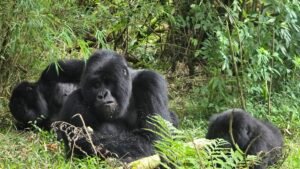
For adventurous travelers interested in the Democratic Republic of Congo safari experience, Salonga National Park represents the wild side of African exploration. The park is particularly important for the conservation of the bonobo, an endangered great ape found naturally only in the Democratic Republic of Congo. Forest elephants, numerous primates, rare birds and many other rainforest species also occur within this enormous protected landscape.
Salonga is not a conventional mass-tourism destination. Its extreme remoteness, challenging accessibility and limited tourism infrastructure mean that visiting requires considerably more planning than a typical safari. Yet these same characteristics have helped preserve its remarkable wilderness character.
At Kyooma Gorilla Safaris, we believe travelers interested in Central Africa should understand both the extraordinary attractions and practical realities of destinations such as Salonga. This guide explores the wildlife, bonobos, rainforest ecosystem, history, conservation importance, accessibility and travel considerations associated with one of Africa’s greatest protected forests.
About Salonga National Park
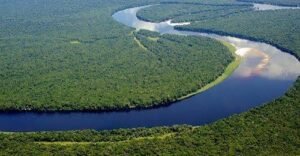
Salonga National Park lies within the central basin of the Democratic Republic of Congo and protects approximately 3.6 million hectares of tropical rainforest. Its enormous size makes it one of the world’s most significant protected tropical forest landscapes and an essential conservation area within the Congo Basin.
Unlike many African national parks that can easily be explored by road, Salonga is dominated by thick rainforest, rivers, streams, swamp forests and other aquatic environments. Waterways therefore play an important role in movement through the landscape.
Another distinctive characteristic of Salonga National Park is its geographical structure. The protected area consists of two large blocks, commonly described as the northern and southern sectors, separated by a corridor containing communities and landscapes outside the main protected property.
The park’s isolation has helped preserve enormous areas of natural forest, but it has also made wildlife protection, scientific research and tourism development challenging. This combination of immense biodiversity and remoteness gives Salonga an atmosphere unlike that of most established African safari destinations.
History of Salonga National Park
Salonga National Park was established in 1970 as part of efforts to protect the vast forests and wildlife of the central Congo Basin. Its exceptional ecological importance later received international recognition when the park was inscribed as a UNESCO World Heritage Site in 1984.
The park has nevertheless experienced significant conservation challenges. Political instability, illegal hunting, wildlife trafficking and limited resources for conservation management have historically threatened its wildlife.
These pressures contributed to Salonga National Park being placed on UNESCO’s List of World Heritage in Danger in 1999. Conservation organizations, government authorities and local stakeholders subsequently increased efforts to strengthen protection and management.
In 2021, UNESCO removed Salonga from the List of World Heritage in Danger following improvements in its conservation situation. The development represented an important milestone, although long-term protection remains essential for this enormous and difficult-to-monitor rainforest ecosystem.
Today, Salonga National Park is internationally recognized not simply as a tourism destination but as one of the world’s most important protected tropical forest landscapes.
Wildlife in Salonga National Park
Wildlife is one of the greatest reasons for the international conservation importance of Salonga National Park. Dense tropical vegetation makes animal viewing very different from traditional savannah game drives, where wildlife can often be seen across open plains. Animals within Salonga inhabit a complex rainforest environment where patience, specialist knowledge and careful observation are essential.
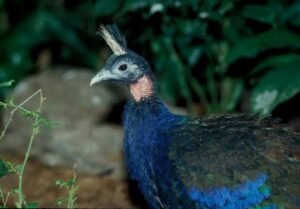
The park protects populations of rare and threatened animals, including bonobos, forest elephants and numerous primates. It is also associated with the Congo peafowl, one of the Democratic Republic of Congo’s most distinctive bird species.
Bonobos in Salonga National Park
Among all the animals associated with Salonga, the bonobo is perhaps the most internationally significant.
Bonobos are great apes closely related to chimpanzees and humans. Their natural distribution is restricted to the forests south of the Congo River in the Democratic Republic of Congo, making the country globally important for their survival.
Salonga National Park protects extensive bonobo habitat and consequently plays a critical role in conserving the species. These intelligent primates live in complex social groups and feed primarily on fruits while also consuming leaves, seeds and other forest foods.
Travelers searching for bonobos in Salonga National Park should, however, understand the difference between wildlife conservation and established tourism. Salonga should not automatically be viewed as offering a standardized primate-trekking product comparable to gorilla trekking in Bwindi Impenetrable National Park or Volcanoes National Park. Access, research activities and tourism possibilities should always be verified before planning a journey specifically around bonobo observation.
Forest Elephants in Salonga National Park
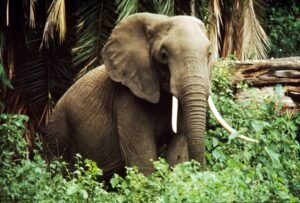
Another important resident is the African forest elephant.
Forest elephants are adapted to life within Central and West African forests and differ physically and ecologically from the better-known African savannah elephant. They play an enormous role in rainforest ecology by dispersing seeds and influencing forest vegetation.
Protecting the forests of Salonga therefore contributes directly to the conservation of these remarkable animals.
Spotting forest elephants in thick rainforest can be considerably more challenging than watching elephants on open savannahs, making any encounter especially memorable.
Other Animals in Salonga National Park
The park supports a diverse rainforest wildlife community extending far beyond its famous bonobos and elephants. Various monkey species and other mammals occupy different levels of the forest, while rivers and wetlands provide habitat for aquatic wildlife.
This biodiversity makes the wildlife of Salonga National Park particularly interesting to conservationists, researchers, photographers, birders and adventurous travelers seeking an understanding of Central Africa’s tropical ecosystems.
Birdlife in Salonga National Park
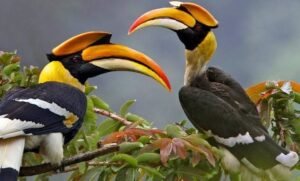
Salonga’s immense forests also provide habitat for an impressive variety of birds.
One of the most notable is the Congo peafowl, an unusual forest bird endemic to the Democratic Republic of Congo. Its presence contributes to the exceptional conservation value of Salonga National Park.
Birdwatching in a Central African rainforest differs significantly from birding on open savannahs. Many species may be detected initially by their calls rather than sight, while the dense canopy can make observation challenging.
For dedicated bird enthusiasts, however, the opportunity to explore such an enormous and relatively undisturbed ecosystem can make a Salonga National Park birding safari exceptionally rewarding.
The Congo Basin Rainforest of Salonga National Park
Understanding Salonga means understanding the Congo Basin rainforest.
The Congo Basin contains the world’s second-largest tropical rainforest system after the Amazon and supports an extraordinary diversity of plants, mammals, birds, reptiles, amphibians and insects.
Salonga National Park protects a vast portion of this environment. Towering trees form dense canopies above an understory filled with vines, shrubs, ferns and other vegetation. Rivers and streams weave through the forest while swampy areas create additional habitats.
The forest also plays a much broader environmental role. Large tropical forests store enormous quantities of carbon, regulate water systems and maintain ecological processes extending far beyond national park boundaries.
A journey into Salonga is consequently about much more than searching for individual animals. It provides an opportunity to appreciate one of Earth’s great tropical ecosystems.
Things to Do in Salonga National Park
Activities in Salonga National Park should be understood within the context of a remote rainforest expedition rather than a conventional safari holiday.
Exploring forest environments, observing wildlife, studying birds, experiencing river landscapes and learning about conservation can form important parts of an appropriately arranged visit. Photography can also be rewarding, particularly for travelers interested in rainforest landscapes and biodiversity.
River journeys are especially relevant because waterways form natural transportation corridors across this remote landscape.
Visitors should nevertheless recognize that tourism services can change and may be limited. Activities should therefore be confirmed with relevant authorities and experienced operators during trip planning rather than assuming that particular experiences operate every day or throughout the year.
How to Get to Salonga National Park
Reaching Salonga National Park in the Democratic Republic of Congo is an adventure in itself.
The park’s remote location and lack of extensive road infrastructure make access considerably more complicated than reaching popular East African safari destinations. Rivers have historically provided important transportation routes through the region, while specialist journeys may involve combinations of domestic transport, boats and carefully organized ground arrangements.
Travel times can be substantial and conditions may change depending on weather, river levels, infrastructure and local circumstances.
Travelers should therefore avoid treating Salonga as a spontaneous addition to a conventional African safari. Detailed logistical planning, current security information, permits and reliable local arrangements are essential.
Kyooma Gorilla Safaris can assist travelers in evaluating appropriate DRC safari itineraries and understanding how remote destinations might fit within a wider Central or East African journey.
Best Time to Visit Salonga National Park
The equatorial location of Salonga means rainfall can occur throughout the year. Temperatures generally remain warm and humid, while precipitation influences river conditions, forest trails and transportation.
Consequently, determining the best time to visit Salonga National Park depends on more than simply choosing between a traditional African wet and dry season.
Travelers should consider rainfall patterns, accessibility, river conditions, wildlife objectives and the latest operational situation when planning.
For a remote Congo rainforest expedition, flexibility is particularly valuable. Weather can affect transportation and schedules more significantly here than in highly developed safari destinations.
Accommodation and Safari Logistics
Travelers planning a Salonga National Park safari should not expect the extensive accommodation infrastructure found around destinations such as Serengeti, Bwindi or the Masai Mara.
The park’s isolation means tourism infrastructure is limited, and expedition-style arrangements may be necessary depending on the area being visited and the purpose of the journey.
This remoteness is also part of Salonga’s appeal.
Rather than luxury being defined purely by elaborate lodges, the real privilege here is entering one of Africa’s largest remaining rainforest wildernesses. Travelers considering the destination should prioritize professional logistical preparation, safety, appropriate equipment and realistic expectations.
Conservation of Salonga National Park
Conservation lies at the heart of Salonga National Park’s international importance.
Protecting millions of hectares of rainforest presents enormous challenges. Illegal hunting, wildlife trafficking, pressures on natural resources and the difficulty of patrolling such an immense landscape have all influenced conservation efforts.
Protecting bonobos, forest elephants and other threatened wildlife requires more than patrols alone. Long-term conservation increasingly depends upon cooperation among park authorities, conservation organizations and communities living around the protected landscape.
Salonga’s removal from UNESCO’s List of World Heritage in Danger in 2021 represented an encouraging conservation achievement, but protecting such an enormous ecosystem requires continuous commitment.
Responsible tourism, when appropriately developed and managed, can potentially contribute to conservation awareness while creating economic opportunities connected with maintaining natural landscapes.
Why Salonga National Park Is Different From Other African Safari Destinations
Travelers should not compare Salonga directly with the Serengeti, Masai Mara or Queen Elizabeth National Park.
Those destinations are largely associated with vehicle-based wildlife viewing across relatively open landscapes. Salonga represents something fundamentally different.
Its attraction is wilderness.
The forests are vast, the environment feels remote, wildlife observation can be challenging, and journeys require patience. There may be no guarantee of spectacular wildlife sightings every hour.
For travelers fascinated by biodiversity, primates, rainforest conservation and unexplored landscapes, however, this is precisely what makes Salonga extraordinary.
It is an expedition into the wild heart of the Congo Basin rather than simply another game drive.
Planning a Salonga National Park Safari with Kyooma Gorilla Safaris
Planning travel in the Democratic Republic of Congo requires careful attention to logistics, current conditions and realistic itinerary design.
At Kyooma Gorilla Safaris, our approach is to help travelers explore Africa through carefully planned wildlife and primate experiences while understanding the character and practical requirements of each destination.
A Congo journey may also inspire a wider African primate itinerary combining rainforest destinations with established gorilla trekking experiences elsewhere in the region.
Travelers interested in Salonga should contact us well before their proposed journey so that accessibility, current travel requirements, security considerations and available experiences can be investigated before final arrangements are made.
Frequently Asked Questions About Salonga National Park
Where is Salonga National Park located?
Salonga National Park is located within the central Congo Basin in the Democratic Republic of Congo. Its remote position and enormous rainforest landscape make it one of Africa’s great wilderness conservation areas.
What is Salonga National Park famous for?
The park is particularly famous for its enormous tropical rainforest ecosystem, bonobos, forest elephants, Congo peafowl and UNESCO World Heritage status.
Are there bonobos in Salonga National Park?
Yes. Salonga protects important habitat for bonobos, an endangered great ape naturally found only in the Democratic Republic of Congo.
Can tourists visit Salonga National Park?
Travel to the region requires considerably more planning than visiting mainstream African safari destinations. Access, permissions, tourism operations and security conditions should be verified before making arrangements.
How do you get to Salonga National Park?
Because of its isolated location and limited road infrastructure, reaching the park can involve complex transportation arrangements, including river travel and other specialist logistics depending on the area being accessed.
What animals live in Salonga National Park?
Wildlife includes bonobos, African forest elephants, several primates and numerous rainforest birds and other species adapted to the Congo Basin ecosystem.
Is Salonga National Park a UNESCO World Heritage Site?
Yes. Salonga National Park was inscribed as a UNESCO World Heritage Site in 1984 because of its exceptional natural and ecological importance.
Is Salonga National Park safe to visit?
Security and accessibility conditions in the Democratic Republic of Congo can change. Travelers should obtain current official travel advice and verify conditions with relevant authorities and experienced operators before planning any journey.
Conclusion;
Salonga National Park represents Africa at its wildest. Its enormous tropical forests, remote rivers, endangered bonobos, forest elephants, rare birds and extraordinary biodiversity make it one of the Democratic Republic of Congo’s most important natural treasures.
This is not a destination for travelers searching exclusively for comfortable roads, predictable wildlife sightings and conventional safari infrastructure. Salonga instead appeals to those fascinated by remote wilderness, conservation, primates and the immense ecological richness of the Congo Basin.
Its UNESCO World Heritage status reinforces the international importance of protecting this remarkable landscape for future generations.
For travelers dreaming of exploring the Democratic Republic of Congo, Congo Basin rainforests, gorilla destinations and other extraordinary African wildlife areas, Kyooma Gorilla Safaris can help create carefully planned itineraries that combine adventure, wildlife and authentic African experiences.