
Introduction to Bwindi Impenetrable National Park
Discover Bwindi Impenetrable National Park
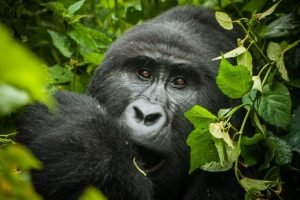
Bwindi Impenetrable National Park is one of Uganda’s most iconic and biologically rich protected areas, widely regarded as a must-visit destination for anyone interested in African wildlife, primates, and pristine rainforest ecosystems. Situated in the remote southwestern region of Uganda along the dramatic edge of the Albertine Rift Valley, Bwindi Impenetrable National Park is globally famous for its exceptional population of endangered mountain gorillas.
The park covers approximately 331 square kilometres of dense, ancient rainforest that includes both montane and lowland forest zones, creating one of the most complex and diverse ecosystems in East Africa. It is estimated that nearly half of the world’s remaining mountain gorillas live within this park, making it one of the most critical conservation strongholds on the planet. Because of its outstanding ecological importance and unmatched biodiversity, Bwindi Impenetrable National Park was designated a UNESCO World Heritage Site in 1994, recognizing its global significance for conservation and scientific research.
The Ancient Rainforest of Bwindi Impenetrable National Park
The word “Bwindi” originates from a local term meaning “impenetrable,” a description that perfectly reflects the park’s extremely dense vegetation and rugged terrain. The forest is characterized by thick undergrowth, tangled vines, towering ancient trees, bamboo thickets, moss-covered branches, and steep, misty valleys that make movement through the park both challenging and adventurous.
This ancient rainforest is believed to be more than 25,000 years old, making it one of the oldest surviving forest ecosystems in Africa. Over millennia, it has developed into a highly complex habitat that supports an extraordinary range of life forms. As visitors explore its winding trails, they encounter a living natural museum filled with rare plant species, vibrant orchids, medicinal herbs, giant ferns, butterflies of dazzling colors, and a wide variety of forest-dwelling animals. The atmosphere inside Bwindi Impenetrable National Park is often described as mystical, with morning mist rising through the canopy and the sounds of wildlife echoing through the forest.
Wildlife in Bwindi Impenetrable National Park
In terms of wildlife diversity, Bwindi Impenetrable National Park is one of the richest ecosystems in East Africa. The park is home to more than 120 mammal species, including the famous mountain gorillas, forest elephants, giant forest hogs, bush pigs, duikers, and bushbucks. It also supports a remarkable diversity of primates, with at least 10 different species recorded.
These include black-and-white colobus monkeys, blue monkeys, L’Hoest’s monkeys, red-tailed monkeys, vervet monkeys, olive baboons, and several other small primates that thrive in the dense forest environment. This high concentration of primate species makes Bwindi Impenetrable National Park one of the best places in Africa for primate viewing and research. The park’s ecological richness extends beyond mammals, as it also supports reptiles, amphibians, and countless insect species that play a vital role in maintaining the balance of the forest ecosystem.
Bird Watching in Bwindi Impenetrable National Park
For birdwatchers, Bwindi Impenetrable National Park is nothing short of a paradise. The park has recorded more than 350 bird species, making it one of the most important birding destinations in Africa. Among these are numerous Albertine Rift endemic birds found only in this region. Some of the most sought-after species include the African green broadbill, Shelley’s crimsonwing, Grauer’s rush warbler, and a variety of turacos, flycatchers, and sunbirds. The combination of altitude variation, dense vegetation, and diverse habitats creates ideal conditions for birdlife, making every birding excursion in Bwindi Impenetrable National Park a rewarding experience for both amateur and professional birders.
Top Things to Do in Bwindi Impenetrable National Park
While gorilla trekking is the park’s signature attraction, Bwindi Impenetrable National Park offers many other memorable experiences. Guided forest walks lead visitors to hidden waterfalls, giant ancient trees, scenic viewpoints, and fascinating rainforest habitats. Cultural encounters with the indigenous Batwa people provide insight into their traditional forest lifestyle, hunting skills, music, dance, and storytelling. Visitors can also enjoy coffee tours, community visits, birdwatching, mountain biking, and photography, making the park a destination that appeals to nature lovers and adventure seekers alike.
Gorilla Trekking in Bwindi Impenetrable National Park
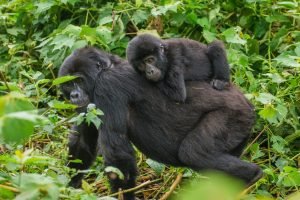
The most unforgettable experience in Bwindi Impenetrable National Park is undoubtedly gorilla trekking. This once-in-a-lifetime adventure allows visitors to spend one magical hour observing a habituated mountain gorilla family in its natural habitat. Standing just a few metres away from a massive silverback while watching playful juveniles and nurturing mothers interact is an emotional and humbling experience. Gorilla trekking not only creates lifelong memories but also supports conservation by generating revenue that protects these endangered primates and their rainforest home.
Gorilla Trekking Sectors in Bwindi Impenetrable National Park
To provide visitors with the best possible trekking experience, Bwindi Impenetrable National Park is divided into four distinct sectors, each with its own unique attractions.
Buhoma Sector
The Buhoma Sector is the oldest and most established gorilla trekking region in Bwindi Impenetrable National Park, located in the park’s northern section. It is the birthplace of gorilla tourism in Uganda, having hosted the country’s first gorilla trekking experience in 1993. Today, Buhoma remains one of the most sought-after trekking sectors thanks to its rich conservation history, well-developed tourism infrastructure, and breathtaking rainforest scenery. The sector is home to several habituated mountain gorilla families, offering visitors exceptional opportunities to observe these endangered primates in their natural habitat.
Beyond gorilla trekking, the Buhoma Sector is renowned for its excellent selection of luxury, mid-range, and budget accommodations, making it suitable for every type of traveler. Visitors can also enjoy guided forest walks, birdwatching excursions, community and Batwa cultural experiences, waterfall hikes, and nature trails that reveal the remarkable biodiversity of Bwindi Impenetrable National Park. With its experienced ranger guides, convenient accessibility, and stunning forest landscapes, the Buhoma Sector provides an unforgettable introduction to Uganda’s premier gorilla trekking destination and remains a favorite choice for travelers from around the world.
Rushaga Sector
The Rushaga Sector is located in the southern part of Bwindi Impenetrable National Park and is widely recognized as the premier gorilla trekking destination due to its large number of habituated mountain gorilla families. With more gorilla groups available for trekking than any other sector in the park, Rushaga offers excellent permit availability and greater flexibility for visitors planning their safari, especially during peak travel seasons. This makes it a preferred choice for travelers, photographers, researchers, and wildlife enthusiasts seeking an unforgettable gorilla trekking experience.
The diverse terrain of the Rushaga Sector features rolling hills, dense tropical rainforest, bamboo vegetation, and spectacular viewpoints overlooking the Virunga Volcanoes and the surrounding countryside. Guided by experienced Uganda Wildlife Authority rangers, visitors trek through this pristine forest in search of one of the habituated gorilla families, where they are rewarded with the extraordinary opportunity to spend one unforgettable hour observing mountain gorillas in their natural habitat.
In addition to standard gorilla trekking, the Rushaga Sector is the only area within Bwindi Impenetrable National Park that offers the famous Gorilla Habituation Experience. This unique activity allows visitors to spend up to four hours with a semi-habituated gorilla family alongside researchers, conservationists, and ranger guides, providing a deeper understanding of gorilla behaviour, social interactions, and ongoing conservation efforts.
The Rushaga Sector also offers a wide range of accommodation options, from luxury safari lodges with panoramic forest views to comfortable mid-range lodges and affordable budget camps, making it suitable for every type of traveler. Visitors can further enrich their safari with community cultural visits, guided nature walks, birdwatching excursions, and Batwa cultural experiences. Combining outstanding gorilla trekking opportunities, exceptional biodiversity, breathtaking scenery, and excellent tourism facilities, the Rushaga Sector remains one of the most popular and rewarding destinations within Bwindi Impenetrable National Park.
Ruhija Sector
The Ruhija Sector is situated in the eastern part of Bwindi Impenetrable National Park and is renowned for its tranquil atmosphere, breathtaking mountain scenery, exceptional birdwatching opportunities, and rewarding gorilla trekking experiences. Unlike some of the park’s busier trekking regions, Ruhija offers a quieter and more secluded rainforest adventure, making it an excellent choice for travelers seeking a peaceful connection with nature. The sector’s higher elevation provides cooler temperatures and spectacular panoramic views of the mist-covered forest, rolling hills, and distant mountain ranges that characterize this UNESCO World Heritage Site.
The Ruhija Sector is home to several habituated mountain gorilla families, giving visitors an excellent opportunity to encounter these endangered primates in their natural habitat. Accompanied by experienced Uganda Wildlife Authority ranger guides, trekkers journey through dense rainforest, bamboo forests, and steep valleys while learning about the incredible biodiversity and conservation efforts that protect Bwindi Impenetrable National Park. Although some trekking routes can be moderately challenging due to the rugged terrain, the unforgettable experience of spending one magical hour with a gorilla family makes every step worthwhile.
Beyond gorilla trekking, the Ruhija Sector is widely regarded as one of the finest birdwatching destinations in Bwindi Impenetrable National Park. With hundreds of recorded bird species, including numerous Albertine Rift endemics, the sector attracts bird enthusiasts from around the world. Visitors may also encounter several other primates, colorful butterflies, forest mammals, and an impressive variety of indigenous plant species during guided nature walks.
Accommodation in the Ruhija Sector ranges from comfortable luxury lodges to mid-range and budget-friendly options, all offering easy access to trekking starting points and magnificent views of the surrounding rainforest. Guests can also participate in community visits, cultural experiences, forest walks, and photography excursions, creating a well-rounded safari experience. With its peaceful environment, rich biodiversity, outstanding birdlife, and unforgettable gorilla encounters, the Ruhija Sector remains one of the most rewarding destinations for visitors exploring Bwindi Impenetrable National Park.
Nkuringo Sector
The Nkuringo Sector is located in the southwestern part of Bwindi Impenetrable National Park and is renowned for its dramatic mountain landscapes, challenging gorilla trekking trails, and breathtaking panoramic views of the Virunga Volcanoes. Situated at a higher elevation than the other trekking sectors, Nkuringo offers visitors a truly unique experience, combining spectacular scenery with some of the most rewarding gorilla trekking adventures in Uganda. Its peaceful environment and relatively fewer visitors make it an excellent choice for travelers seeking a more exclusive and immersive rainforest experience.
The Nkuringo Sector is home to several habituated mountain gorilla families that can be tracked under the guidance of experienced Uganda Wildlife Authority rangers. Gorilla trekking here is often considered the most physically demanding within Bwindi Impenetrable National Park, as the trails involve steep ascents and descents through dense rainforest, rugged hillsides, and deep valleys. However, the effort is richly rewarded with unforgettable encounters with mountain gorillas in one of the park’s most pristine and scenic environments. Along the trek, visitors may also spot other primates, colorful butterflies, unique plant species, and a variety of forest birds while enjoying the untouched beauty of the ancient rainforest.
Beyond gorilla trekking, the Nkuringo Sector offers excellent opportunities for guided nature walks, birdwatching, community visits, and cultural experiences with the local Bakiga and Batwa communities. The famous Nkuringo Walking Trail, which connects Nkuringo to the Buhoma Sector, is a popular option for adventurous travelers looking to explore more of Bwindi Impenetrable National Park on foot while enjoying exceptional views of the forest canopy and surrounding highlands.
Accommodation in the Nkuringo Sector includes luxury eco-lodges, comfortable mid-range lodges, and budget-friendly options, many of which are strategically positioned on hilltops overlooking the rainforest and the Virunga mountain range. Guests are treated to spectacular sunrise and sunset views, personalized hospitality, and easy access to trekking starting points. With its stunning scenery, adventurous trekking routes, rich biodiversity, and unforgettable mountain gorilla encounters, the Nkuringo Sector offers one of the most authentic and rewarding experiences within Bwindi Impenetrable National Park.
How to Get to Bwindi Impenetrable National Park
Accessing Bwindi Impenetrable National Park is part of the adventure. Most visitors travel by road from Kampala or Entebbe, enjoying scenic views of Uganda’s countryside, tea plantations, rolling hills, and rural communities. Domestic flights to Kihihi or Kisoro airstrips provide a quicker alternative, while many international visitors choose to enter through Kigali, Rwanda, before crossing into Uganda for gorilla trekking.
Best Time to Visit Bwindi Impenetrable National Park
Bwindi Impenetrable National Park is open throughout the year. The dry seasons from June to September and December to February are generally the most popular because trekking trails are less muddy. However, the rainy seasons bring lush green scenery, excellent birdwatching opportunities, and fewer visitors, making the park rewarding regardless of when you choose to visit.
Conservation in Bwindi Impenetrable National Park
Beyond its breathtaking landscapes and wildlife, Bwindi Impenetrable National Park is a global conservation success story. Revenue generated from gorilla permits directly supports anti-poaching operations, scientific research, habitat protection, community healthcare, education, and sustainable livelihood projects. This unique partnership between tourism, conservation, and local communities has helped secure the future of mountain gorillas while improving the quality of life for people living around the park.
Explore Bwindi Impenetrable National Park with Kyooma Gorilla Safaris
At Kyooma Gorilla Safaris, we are passionate about creating unforgettable experiences in Bwindi Impenetrable National Park. Whether you are planning a luxury gorilla trekking safari, a budget adventure, a birdwatching expedition, or a customized East African tour, our experienced team handles every detail—from securing gorilla permits to arranging accommodation, transportation, and expert guiding services. We are committed to delivering exceptional service while helping you discover the incredible beauty, wildlife, and cultural heritage of Bwindi Impenetrable National Park.
A journey to Bwindi Impenetrable National Park is more than just a safari—it is an opportunity to encounter endangered mountain gorillas, explore one of Africa’s oldest rainforests, and contribute to the conservation of one of the world’s most extraordinary natural treasures.