What to Pack for Gorilla Trekking
Mountain gorilla trekking is one of Africa’s most extraordinary wildlife experiences, taking travellers deep into the misty mountain forests of Uganda and Rwanda in search of habituated mountain gorilla families living freely in their natural habitat. Unlike a traditional African safari, where most wildlife viewing takes place from the comfort of a safari vehicle, gorilla trekking requires you to travel on foot through tropical rainforest, climb forested slopes, negotiate muddy paths, cross uneven terrain and sometimes move through thick vegetation before reaching the gorillas. Knowing what to pack for gorilla trekking is therefore an important part of preparing for a comfortable, safe and enjoyable gorilla safari.
At Kyooma Gorilla Safaris, we understand that many travellers planning their first gorilla trekking adventure are unsure about what they should wear, which type of shoes they need, whether specialist hiking equipment is necessary and how much they should carry into the forest. Questions such as “What should I wear for gorilla trekking?”, “Do I need hiking boots for gorilla trekking?”, “Should I take gloves for gorilla trekking?”, “What should I carry in my gorilla trekking daypack?”, and “What to pack for gorilla trekking Uganda or Rwanda?” are among the questions we regularly receive.
Fortunately, mountain gorilla trekking does not normally require technical mountaineering equipment. You will not be climbing with ropes, harnesses or specialist alpine gear. However, gorillas live in natural mountain forests where conditions can change quickly. Trails can be steep, muddy and slippery, vegetation may be thick, mornings can feel cool, and rainfall is possible throughout the year.
Choosing practical clothing and carrying the right gorilla trekking essentials can therefore make a significant difference to your overall experience.
This comprehensive mountain gorilla trekking packing list by Kyooma Gorilla Safaris explains what to wear, which footwear to choose, what to put in your daypack, what camera equipment is practical, how to prepare for rain, what women and men should wear, what older travellers should consider, how to pack for different seasons and what you should leave at your lodge.
Whether you are preparing for gorilla trekking in Bwindi Impenetrable National Park, Mgahinga Gorilla National Park in Uganda or Volcanoes National Park in Rwanda, this guide will help you understand exactly what you need for the trek.
The most important thing to remember is that successful packing is not about bringing as much equipment as possible. It is about carrying the right items while keeping your trekking load comfortable.
A heavy backpack packed with unnecessary belongings can become tiring during a long forest hike. A carefully organised daypack containing drinking water, rain protection, camera equipment, food where required and essential personal items is usually much more practical.
No two gorilla treks are exactly the same. Mountain gorillas move naturally through their habitat, and the distance required to locate them varies. One traveller may reach a gorilla family after a relatively manageable hike, while another trek may involve several hours of walking.
Your packing should therefore prepare you for the possibility of a longer trek even if your actual experience turns out to be shorter.
The right gorilla trekking clothes, shoes and equipment allow you to concentrate on the real reason you travelled to the forest: observing mountain gorillas in their natural environment and experiencing one of Africa’s most remarkable wildlife adventures.
Why Packing Properly for Gorilla Trekking Is Important
Packing for mountain gorilla trekking is very different from packing for an ordinary wildlife safari.
During a traditional game drive in parks such as Queen Elizabeth National Park, Murchison Falls National Park, the Serengeti or Masai Mara, travellers normally spend a significant amount of time inside a safari vehicle. Clothing can therefore be selected largely according to temperature, comfort and personal preference.
During a gorilla trek, however, your clothing and footwear become part of the equipment that helps you travel through the forest.
Mountain gorillas inhabit highland and montane forest environments. In Uganda, trekking takes place in Bwindi Impenetrable National Park and Mgahinga Gorilla National Park, while Rwanda’s mountain gorilla trekking takes place in Volcanoes National Park.
These landscapes are spectacular, but they are natural environments rather than carefully surfaced walking paths.
You may encounter tree roots, loose soil, wet leaves, mud, rocks, steep gradients, thick undergrowth and slippery sections.
This is why the best gorilla trekking packing list begins with practical clothing and strong footwear.
Good hiking boots provide traction and stability. Long trousers protect the legs. A long-sleeved shirt protects the arms. A waterproof jacket provides protection when rain arrives. Gloves can help protect your hands when you need additional balance.
None of these items is particularly complicated, but together they can make your trek considerably more comfortable.
Gorilla Trekking Takes Place in Rainforest Conditions
One of the most important things to remember when deciding what to pack for gorilla trekking in Uganda or Rwanda is that you are entering a rainforest and mountain environment.
Rainfall can occur even during periods normally considered relatively dry.
A morning can begin with sunshine and later become cloudy, misty or wet. Rain during the night can also leave trails muddy even when no rain falls during your actual trek.
For this reason, travellers should prepare for both wet and dry conditions rather than relying completely on weather expectations.
Your clothing should dry reasonably quickly, your shoes should provide dependable traction, and your rain jacket should remain easily accessible.
Electronics, travel documents and camera equipment should also be protected from moisture.
Gorilla Trekking Trails Can Be Muddy and Slippery
Mud is one of the main reasons proper footwear appears repeatedly in advice about what to wear for gorilla trekking.
After rainfall, forest trails can become slippery. On steeper terrain, footwear with inadequate grip can make walking significantly more difficult.
Smooth-soled casual shoes, fashion trainers, sandals and open footwear are therefore poor choices for a serious gorilla trek.
Sturdy hiking boots with a well-designed tread give you more confidence when walking uphill and downhill or stepping over roots and uneven surfaces.
At Kyooma Gorilla Safaris, we encourage travellers to choose function over fashion when selecting trekking footwear.
Your boots may become muddy.
Your trousers may collect dirt.
Your gaiters may return looking very different from how they looked when you left the lodge.
That is completely normal.
Gorilla trekking is a genuine forest adventure.
Dense Vegetation Makes Protective Clothing Important
Mountain gorilla habitat can contain thick vegetation. Depending on the position of the gorillas, guides and trackers may occasionally lead visitors through less clearly defined sections of forest.
Long trousers and long-sleeved shirts provide an important layer between your skin and vegetation.
The objective is not to wear extremely heavy clothing.
Lightweight but durable clothing is generally much better because it protects your skin while remaining breathable.
Long hiking trousers and a lightweight long-sleeved shirt are therefore among the most useful clothes you can bring for a mountain gorilla trek.
Your Gorilla Trek May Be Short or Long
One of the biggest mistakes travellers make is preparing according to the assumption that the gorillas will be nearby.
Mountain gorillas are wild animals. Their movements change according to feeding, social activity and other natural behaviour.
The duration of a trek therefore varies.
You may reach your assigned gorilla family relatively quickly, or locating them may require considerably more walking.
Prepare for the longer possibility.
Wear shoes you can comfortably use for several hours. Carry adequate drinking water. Bring rain protection. Avoid carrying excessive camera equipment.
Preparing for a potentially longer trek means that if you reach the gorillas quickly, you simply enjoy an easier day.
What to Wear for Mountain Gorilla Trekking
Deciding what to wear for mountain gorilla trekking is one of the most important parts of preparing for your safari.
The ideal gorilla trekking outfit should protect your skin, allow freedom of movement, cope with changing weather and remain comfortable during physical activity.
A practical gorilla trekking outfit normally includes strong hiking boots, hiking socks, long trousers, a breathable long-sleeved shirt and a waterproof outer layer.
Gloves, gaiters, a hat and a light warm layer may also be useful.
Layering is particularly important.
You may feel cool during the early morning briefing but become considerably warmer after hiking uphill.
Rather than wearing one very heavy jacket, wear practical layers that can be removed and placed in your backpack as your body temperature changes.
Wear Long Trousers for Gorilla Trekking
Long trousers are one of the most important pieces of clothing on any gorilla trekking packing list.
They provide physical protection against vegetation, mud and insects while reducing the amount of exposed skin.
Lightweight hiking trousers are particularly suitable because they offer coverage without becoming excessively hot.
Quick-drying outdoor trousers can be especially useful in wet conditions.
Your trousers should also allow unrestricted movement.
Very tight clothing may make it difficult to step over roots or climb steep sections, while extremely loose trousers may catch on vegetation.
Although some travellers wonder whether shorts can be worn, Kyooma Gorilla Safaris recommends long trousers for the actual trek.
Should You Wear Jeans for Gorilla Trekking?
You can technically trek in jeans, but they are not our preferred choice.
Denim becomes heavy when wet and can take a long time to dry.
A pair of jeans that feels comfortable during a dry morning may become uncomfortable after walking through wet vegetation or rainfall.
Lightweight hiking trousers, trekking trousers or practical outdoor trousers are generally better.
Tuck Your Trousers into Your Socks or Gaiters
Many gorilla trekkers tuck the ends of their trousers into their socks.
It may not be fashionable, but it is practical.
Doing this reduces the opening around the ankle and helps prevent insects or forest debris from easily entering your trouser legs.
Alternatively, use gaiters.
Gaiters cover the area around the top of your boots and lower legs, providing additional protection against mud, moisture and vegetation.
Wear a Long-Sleeved Shirt
A lightweight long-sleeved shirt for gorilla trekking is strongly recommended.
It protects your arms while reducing exposed skin.
Breathable outdoor shirts work particularly well because trekking can become physically demanding.
You do not need an expensive safari shirt.
Comfort, durability, breathability and coverage matter far more than the brand.
Dress in Layers
Layering is one of the most practical ways to dress for mountain gorilla trekking.
A breathable base layer, optional light warm layer and waterproof outer shell allow you to adjust according to weather and physical activity.
You may begin the morning feeling cool, become warm during the hike and then feel cooler when you stop walking to observe the gorillas.
Layering gives you flexibility throughout the day.
Best Hiking Boots for Gorilla Trekking
Footwear deserves particular attention when preparing your mountain gorilla trekking packing list.
A good pair of hiking boots can significantly influence your comfort, confidence and stability during the trek.
Gorilla trekking terrain may involve mud, stones, roots, forest floor, slopes and uneven ground.
We generally recommend sturdy waterproof or water-resistant hiking boots with good tread and reasonable ankle support.
You do not need extremely heavy mountaineering boots.
The most important factors are fit, grip, comfort and suitability for natural terrain.
Do You Really Need Hiking Boots for Gorilla Trekking?
We strongly recommend them.
Some travellers may complete an easier trek wearing trainers, but this does not make trainers the ideal footwear.
You cannot know exactly what terrain or weather conditions you will encounter.
Proper hiking footwear gives you a much better margin of preparation.
Choose Boots with Good Grip
Traction is extremely important.
The sole should provide reliable grip on wet soil, mud and natural forest surfaces.
When buying boots, pay close attention to the tread rather than selecting footwear purely according to appearance.
Waterproof or Water-Resistant Boots Are Better
Wet feet can quickly become uncomfortable.
Waterproof or water-resistant boots can help when walking through wet vegetation and muddy areas.
Pair them with appropriate hiking socks and gaiters where useful.
Break Your Hiking Boots in Before Travelling
Never make gorilla trekking day the first time you wear new hiking boots.
Walk in them before your safari.
Test them with the socks you plan to wear.
Make sure they do not rub your heels or toes.
A perfectly good pair of hiking boots can still cause blisters if they have never been broken in.
Best Socks for Gorilla Trekking
Good hiking socks help manage moisture, provide cushioning and reduce friction.
Choose socks that work properly with your hiking boots.
Longer socks can be useful if you plan to tuck your trousers into them.
Bring more than one suitable pair so you have dry socks available if another pair becomes wet.
Do You Need Gaiters for Gorilla Trekking?
Gaiters are not compulsory, but they can be extremely useful.
They cover the top of your boots and part of your lower legs, helping prevent mud, vegetation and debris from entering your footwear.
They are particularly helpful during wetter conditions.
At Kyooma Gorilla Safaris, we consider gaiters a valuable optional addition rather than an absolute requirement.
Why You Need a Waterproof Rain Jacket
A waterproof rain jacket deserves a permanent place in your trekking daypack.
Mountain gorilla habitat receives rainfall throughout the year.
Even during relatively dry periods, the weather can change quickly.
A lightweight waterproof shell is usually better than an extremely heavy coat because it can be packed away when unnecessary.
Keep it near the top of your daypack so that it is easy to reach.
A rain poncho may also work, although many trekkers prefer a fitted jacket because it is easier to move through vegetation.
Should You Pack Gloves for Gorilla Trekking?
Yes, gloves are highly recommended.
They protect your hands when you need to steady yourself on vegetation, touch the ground for balance or navigate steep and slippery terrain.
They do not need to be specialist mountaineering gloves.
Gardening Gloves for Gorilla Trekking
Strong gardening gloves are extremely popular because they are durable, inexpensive and lightweight.
Choose a pair that fits comfortably while allowing you to move your fingers freely.
Very bulky gloves can make it difficult to handle cameras or water bottles.
Do Gorilla Trekking Gloves Need to Be Waterproof?
Not necessarily.
The main purpose is protecting your hands rather than keeping them completely dry.
Durability and flexibility are more important than heavy insulation.
Choosing the Best Daypack for Gorilla Trekking
Your main suitcase remains at your lodge or accommodation.
Inside the forest, you only need a relatively small backpack carrying the essentials required for the day.
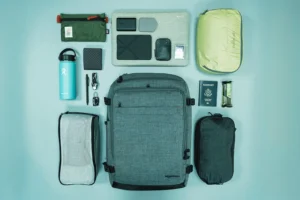
A good gorilla trekking daypack should comfortably hold water, rain protection, food where applicable, camera equipment, personal medication and a few small accessories.
A backpack is preferable to a handbag because it leaves both hands free.
What Size Backpack Is Best?
A small or medium hiking daypack is normally adequate.
There is little benefit in carrying an enormous expedition backpack unless you have specialised photographic requirements.
Remember that whatever you place inside the backpack may need to be carried for several hours.
Should Your Backpack Be Waterproof?
A waterproof or water-resistant backpack is useful.
A separate rain cover can provide additional protection.
Important documents, phones, batteries and camera equipment should be placed in waterproof pouches or other moisture-resistant protection.
Keep Important Items Accessible
Your rain jacket, camera, drinking water and personal medication should be easy to reach.
Do not bury the items you are most likely to need underneath everything else.
What Should You Carry in Your Gorilla Trekking Daypack?
Your exact daypack contents will depend on your personal needs, photography plans and weather conditions.
A typical daypack may include drinking water, rain protection, food where provided, a camera or smartphone, spare batteries, personal medication, insect repellent, sunscreen, gloves and any required documentation.
The objective is to balance preparation with weight.
Do not carry something simply because it fits.
At Kyooma Gorilla Safaris, we recommend packing your daypack the evening before the trek.
Drinking Water for Gorilla Trekking
Hydration is important during any physically demanding activity.
You may spend several hours hiking, and your body can lose water even when the weather feels cool.
Carry adequate drinking water for your expected trek and follow advice from your guide and lodge.
Do not rely on drinking untreated water from forest streams.
Begin the trek properly hydrated.
Food and Snacks for Gorilla Trekking
Depending on your arrangements, your lodge may provide a packed lunch or snacks.
The trek can take several hours, so carrying something to eat can be useful.
Keep all food securely stored and follow your guide’s instructions about when and where you may eat.
Do not eat around the gorillas.
Never leave food packaging or rubbish in the forest.
H2: Camera Equipment for Mountain Gorilla Trekking
Photography is one of the highlights of gorilla trekking, but camera equipment is also one of the easiest ways to overload your daypack.
At Kyooma Gorilla Safaris, we recommend bringing the equipment you are realistically going to use.
A camera body, suitable lens, spare battery and enough memory-card capacity may be all that many travellers require.
What Camera Is Best for Gorilla Trekking?
There is no single perfect camera.
Mirrorless cameras and DSLRs can produce excellent images, while modern smartphones are convenient for travellers who prefer minimal equipment.
Familiarity with your camera matters more than owning the most expensive system.
Learn how to adjust your camera before the trek.
What Lens Is Best?
A versatile zoom can be extremely practical because gorillas may be positioned at varying distances.
Very long wildlife lenses used on savannah safaris may not always be necessary because gorilla encounters can occur at much closer range.
Forest light can also be limited, so low-light performance can be useful.
Pack Spare Batteries
Charge your batteries the evening before.
Carry at least one spare where practical.
Protect batteries from moisture.
Bring Enough Memory
Make sure your memory cards have sufficient space.
Photographers shooting RAW files or video should pay particular attention to capacity.
Protect Cameras from Rain
Carry a suitable rain cover or waterproof storage system.
Even weather-resistant cameras should not be treated as completely waterproof.
A lens cloth is also useful.
Avoid Flash Photography
Prepare to photograph using available natural light.
Know how to disable your camera’s automatic flash before reaching the gorillas.
Always follow your ranger guide’s instructions.
Should You Bring a Tripod?
For most visitors, a large tripod is unnecessary.
It adds weight and can be difficult to use in dense vegetation.
Professional photographers may have specialised requirements, but most tourists will find handheld photography more practical.
Can You Use a Smartphone for Gorilla Trekking?
Yes.
Smartphones are lightweight, easy to access and increasingly capable of producing excellent photographs and videos.
Charge your phone fully and ensure you have enough storage.
A compact power bank may be useful for travellers whose batteries drain quickly.
However, remember to occasionally put the phone away and experience the gorillas directly rather than watching the entire encounter through a screen.
Should You Bring Binoculars?
Binoculars are not essential for seeing the gorillas because gorilla viewing is generally not a distant wildlife experience.
However, compact binoculars are useful for travellers interested in birds, monkeys and other wildlife.
They become even more valuable if your safari also includes game drives, boat safaris or birdwatching.
Insect Repellent for Gorilla Trekking
Insect repellent is a sensible addition to your safari packing list.
Long trousers, socks and long sleeves already reduce exposed skin, but insect repellent provides additional protection.
Use a reputable product according to its instructions.
Sunscreen for Gorilla Trekking
Sunscreen remains useful even though much of the trek occurs under forest cover.
You may spend time in open areas before and after entering the forest.
Apply sunscreen before beginning the trek and carry a small amount where necessary.
What Type of Hat Should You Wear?
A lightweight outdoor hat or cap can provide sun protection.
Wide-brimmed hats offer additional coverage but can occasionally be cumbersome in thick vegetation.
Choose something comfortable and practical.
Personal Medication and First-Aid Items
Carry any essential personal medication in your daypack.
Do not leave time-sensitive medicine inside your main suitcase.
Keep medication protected against rain.
A small first-aid kit containing items such as blister plasters and basic personal supplies can also be useful.
Travellers requiring destination-specific medical advice, vaccinations or prescription medication should consult a qualified travel-health professional before travelling.
Blister Protection
Blister plasters take very little space and can be extremely valuable.
Deal with developing hot spots early rather than waiting until they become painful blisters.
Toiletries for Gorilla Trekking Day
You do not need your full toiletry bag inside the forest.
Carry only the items you genuinely need.
Small tissues, personal hygiene necessities and compact hand-cleaning products may be useful.
Do not leave tissues, wipes or rubbish in the forest.
Should You Carry a Walking Stick?
A walking stick can be extremely helpful on steep or muddy sections.
Walking sticks may be available locally at trekking points depending on destination arrangements.
Travellers who use their own trekking poles can bring them, but local options are often easier for visitors who do not want to transport poles internationally.
Should You Hire a Porter for Gorilla Trekking?
A porter can make your trek considerably more comfortable.
Porters can carry your daypack and assist on challenging sections of terrain.
They are not only for older travellers or people with limited fitness.
Even experienced hikers and photographers can benefit from carrying less weight.
Using porter services can also contribute directly to local livelihoods around gorilla tourism areas.
At Kyooma Gorilla Safaris, we encourage travellers to consider using a porter.
Documents to Bring for Gorilla Trekking
Keep any identification and permit-related documents required for your trek secure and protected against moisture.
Do not wait until the morning of the trek to organise important paperwork.
Prepare everything the evening before.
When travelling with Kyooma Gorilla Safaris, we assist you with the practical arrangements surrounding your gorilla safari and help you understand the documentation needed for your itinerary.
What to Pack for Gorilla Trekking in Bwindi Impenetrable National Park
A Bwindi gorilla trekking packing list should focus on the realities of trekking through mountainous tropical forest.
Sturdy hiking boots with good grip are essential.
Wear long trousers and a breathable long-sleeved shirt.
Carry a waterproof jacket.
Use gloves for hand protection and consider gaiters for the lower legs.
Carry sufficient drinking water and protect your camera and documents from moisture.
Do not pack according to another traveller’s experience.
A visitor who completed a relatively short trek does not necessarily represent what your own trekking day will involve.
Prepare for a genuine forest hike.
What to Wear for Gorilla Trekking in Bwindi
A practical Bwindi outfit includes hiking boots, proper socks, long lightweight trousers, a breathable long-sleeved shirt and a waterproof jacket.
Add gloves and gaiters where useful.
A light warm layer may be useful during the cool morning.
Avoid dressing too heavily because you may become warm once you begin hiking.
What to Pack for Gorilla Trekking in Mgahinga Gorilla National Park
The essential equipment for Mgahinga is similar to Bwindi.
Strong hiking boots, long trousers, long sleeves, rain protection, gloves and a manageable backpack should form the foundation of your packing.
Layering is important because mountainous conditions can feel cool during the morning but physical exertion can quickly make you warmer.
Keep rain protection accessible.
What to Pack for Gorilla Trekking in Rwanda
For gorilla trekking in Rwanda’s Volcanoes National Park, the same fundamental principles apply.
Wear sturdy hiking boots, long trousers, a long-sleeved shirt and suitable socks.
Carry a waterproof jacket, gloves, water, personal medication and your photography equipment.
Gaiters can be particularly useful for protecting the lower legs.
Do not assume that organised tourism infrastructure means the trek itself will resemble an easy landscaped walk.
Mountain gorillas still inhabit a genuine natural environment.
Uganda vs Rwanda Gorilla Trekking
| Comparison Factor | Uganda Gorilla Trekking | Rwanda Gorilla Trekking |
|---|---|---|
| Primary Gorilla Trekking Destination | Bwindi Impenetrable National Park and Mgahinga Gorilla National Park. | Volcanoes National Park in north-western Rwanda. |
| Overall Trekking Experience | Highly adventurous, with dense rainforest, mountainous terrain and several trekking sectors offering different experiences. | Excellent gorilla trekking with relatively convenient access from Kigali and dramatic Virunga mountain scenery. |
| Accessibility | Gorilla parks are farther from Entebbe and Kampala, although travellers can also access Bwindi through Kigali or by domestic flight. | Volcanoes National Park is comparatively close to Kigali, making Rwanda convenient for short gorilla trekking trips. |
| Best For | Travellers seeking adventure, longer safaris, diverse wildlife experiences and opportunities to combine gorilla trekking with other Ugandan national parks. | Travellers prioritising convenience, shorter itineraries and an easy connection between Kigali and the gorilla trekking region. |
| Landscape | Ancient tropical rainforest, steep valleys, ridges, waterfalls and thick vegetation, particularly in Bwindi. | Bamboo forests and lush slopes beneath the spectacular Virunga volcanoes. |
| Trekking Difficulty | Can range from moderate to challenging depending on the gorilla family’s location, trekking sector, weather and terrain. | Also varies by gorilla family, although some trekking routes can be relatively accessible depending on where the gorillas are located. |
| Gorilla Trekking Sectors | Bwindi has several trekking regions, including Buhoma, Ruhija, Rushaga and Nkuringo, while Mgahinga offers another trekking option. | Gorilla trekking takes place within Volcanoes National Park, generally accessed from the Musanze area. |
| Safari Combination Opportunities | Excellent for combining gorilla trekking with chimpanzee trekking, wildlife game drives, boat safaris and other primate experiences. | Can be combined with Nyungwe Forest National Park, Akagera National Park, Kigali city experiences and other Rwanda attractions. |
| Typical Safari Length | Ideal for both short gorilla tours and longer 5–14+ day Uganda wildlife and primate safaris. | Particularly suitable for short 2–4 day gorilla trekking itineraries, although longer Rwanda tours are also possible. |
| Accommodation | Wide choice of budget, mid-range and luxury lodges around the different gorilla trekking sectors. | Strong selection of upscale and luxury accommodation around Volcanoes National Park, together with mid-range options. |
| Other Primate Experiences | Excellent opportunities for chimpanzee trekking and other primates in destinations such as Kibale Forest. | Chimpanzee trekking and colobus monkey experiences are available in Nyungwe Forest National Park. |
| Wildlife Safari Possibilities | Very strong. Gorilla trekking can be combined with Queen Elizabeth National Park, Murchison Falls, Lake Mburo and other wildlife destinations. | Akagera National Park provides Rwanda’s major traditional savannah wildlife safari experience. |
| Scenery | Dense forests, rolling highlands, lakes, savannahs and dramatic mountain landscapes. | Famous for beautiful green hills, volcanic mountains and scenic highland landscapes. |
| Ideal Traveller | Adventure travellers, photographers, wildlife enthusiasts, primate lovers and visitors seeking a comprehensive East African safari. | Luxury travellers, short-stay visitors, conference travellers and tourists wanting convenient access to mountain gorillas. |
| Overall Advantage | Excellent variety, multiple gorilla trekking locations and outstanding possibilities for combining gorillas with broader wildlife and primate safaris. | Excellent accessibility, high-quality tourism infrastructure and convenient short gorilla trekking itineraries from Kigali. |
What to Pack for Gorilla Trekking During the Dry Season
Many travellers choose relatively drier months because trail conditions may sometimes be easier than during periods of heavier rainfall.
However, a so-called dry season does not mean that rain is impossible.
Mountain gorilla forests remain humid environments and showers can occur at any time.
Do not remove your rain jacket from your packing list simply because you are travelling during a relatively dry period.
The basic packing list remains almost identical throughout the year.
You still need hiking boots, long trousers, long sleeves, gloves, adequate water and rain protection.
During sunnier periods, sunscreen and a hat can become particularly useful.
A breathable outfit becomes important because warmer conditions combined with physical exertion can make heavy clothes uncomfortable.
What to Pack for Gorilla Trekking During the Rainy Season
During wetter periods, preparation for mud and moisture becomes even more important.
Waterproof or strongly water-resistant hiking boots should receive particular attention.
Gaiters can become especially useful because they help protect the top of your boots and lower legs from mud.
Your rain jacket should be properly waterproof and easy to access.
Protect camera equipment, phones, spare batteries and documents using waterproof pouches.
Quick-drying clothes become more valuable because heavy cotton garments may remain wet for a long time.
Bring additional dry socks so you are not forced to begin another activity wearing damp footwear.
Rain does not necessarily make gorilla trekking a poor experience. Forest landscapes can be exceptionally atmospheric in misty conditions, and gorillas remain in their natural habitat regardless of whether the day is sunny or wet.
Proper preparation is what makes the difference.
What Women Should Wear for Gorilla Trekking
Women preparing for mountain gorilla trekking should prioritise exactly the same principles as all trekkers: protection, comfort, movement and weather resistance.
Wear lightweight long hiking trousers rather than skirts, dresses or short clothing.
Combine them with a breathable long-sleeved shirt and a comfortable sports or supportive underlayer suited to physical activity.
Choose well-fitted hiking boots and quality socks.
Carry a waterproof jacket.
Gloves and gaiters are useful additions.
Women with long hair may find it more practical to tie it securely before entering dense vegetation.
A small amount of personal hygiene equipment can be carried in your daypack where needed, but avoid overloading your backpack with toiletries.
If travelling during menstruation, carry the products you expect to need during the trek in a waterproof or discreet pouch and ensure all waste leaves the forest with you.
Comfort is more important than appearance.
What Men Should Wear for Gorilla Trekking
Men should wear long hiking trousers, a lightweight long-sleeved shirt, hiking boots and appropriate socks.
A waterproof jacket should remain inside the daypack even if the morning looks clear.
Avoid shorts for the actual trek because they expose the legs to vegetation and insects.
Heavy jeans are also less practical than quick-drying trekking trousers.
Gloves and gaiters add useful protection.
What Older Travellers Should Pack for Gorilla Trekking
Age alone does not determine whether somebody can enjoy gorilla trekking.
However, older travellers may benefit from taking extra care with comfort and mobility.
Good footwear becomes particularly important.
Choose boots that have already been broken in and provide strong traction.
A walking stick or trekking pole can improve stability.
Hiring a porter is also strongly recommended because reducing the weight you carry helps conserve energy.
Bring any essential medication in your daypack.
Layer clothing carefully so that you can remain comfortable without overheating.
Do not rush simply because other members of your group appear to be moving quickly.
Your guides understand that visitors have different walking speeds and abilities.
When booking with Kyooma Gorilla Safaris, discussing mobility and trekking expectations in advance helps us provide practical guidance for your safari.
H2: What Less-Experienced Hikers Should Pack
You do not have to be an experienced mountaineer to go gorilla trekking.
However, first-time hikers should pay particular attention to footwear and preparation.
Wear your boots repeatedly before travelling.
Practice walking on hills where possible.
Learn how your backpack feels when carrying water and camera equipment.
Bring blister protection.
Use a walking stick where available.
Hire a porter rather than attempting to prove that you can carry everything yourself.
The objective is to enjoy the experience.
What Professional Photographers Should Pack for Gorilla Trekking
Professional and serious wildlife photographers face a different challenge because equipment weight can increase very quickly.
Bring only lenses that have a realistic role in forest photography.
Multiple heavy camera bodies and extremely long lenses may become difficult to manage.
Remember that a porter can help carry equipment during trekking sections, although you should always personally supervise and protect valuable photographic gear.
Bring spare batteries, multiple memory cards and waterproof covers.
A lens cloth and small cleaning kit can be valuable in humid conditions.
Consider how you will change lenses without exposing your camera sensor to excessive moisture or dirt.
Above all, prepare your settings before reaching the gorillas.
Your observation time is precious and should not be spent trying to remember how your camera operates.
What Colours Should You Wear for Gorilla Trekking?
Neutral and earthy colours are practical choices for wildlife activities.
Khaki, olive, brown, beige, grey and other subdued colours work well.
However, there is no need to purchase an entirely new wardrobe simply to achieve a particular colour palette.
Comfort, durability and coverage are far more important.
Avoid clothing that is extremely delicate or designed purely for appearance.
Do You Need Safari Clothes for Gorilla Trekking?
No.
You do not need clothing labelled specifically as “safari clothing.”
Normal outdoor hiking clothes can work perfectly well.
A suitable outfit may come from any reputable outdoor brand or from practical clothes you already own.
Focus on function rather than safari fashion.
Should You Pack a Heavy Winter Jacket?
Usually not for the actual trekking activity.
Mornings can feel cool, but hiking generates significant body heat.
A better strategy is layering.
A light warm layer combined with a waterproof shell is more versatile than one extremely heavy jacket.
A warmer jacket may still be useful at your lodge during cool evenings depending on season, elevation and personal preference.
What Shoes Should You Wear Around the Lodge?
Your hiking boots are designed for the trek, but after several hours in the forest you will probably appreciate changing into something lighter.
Pack comfortable trainers, sandals or casual shoes for use around the lodge.
This gives your boots time to dry and allows your feet to relax.
Open footwear belongs at the lodge, not on the gorilla trekking trail.
Should You Pack Spare Clothes for After the Trek?
Yes.
You may return from the forest wet, muddy or sweaty.
Having dry trousers, socks, underwear and a fresh shirt waiting at your lodge is extremely useful.
Many travellers find that changing into clean clothes and comfortable shoes after the trek is one of the simplest pleasures of the day.
What Not to Pack for Mountain Gorilla Trekking
Understanding what not to pack for gorilla trekking is almost as important as knowing what to bring.
Overpacking is one of the most common mistakes.
Avoid carrying unnecessary clothing changes, excessive camera equipment, full-sized toiletries, heavy books, large tripods and multiple electronic accessories inside the forest.
Your daypack should contain what you realistically need.
Do Not Wear Sandals or Flip-Flops
Open shoes provide insufficient protection and grip.
Save them for the lodge.
Avoid Shorts
Shorts expose the legs to vegetation and insects.
Long trousers are much more appropriate.
Avoid Heavy Cotton Where Possible
Heavy cotton absorbs moisture and dries slowly.
Quick-drying hiking fabrics generally perform better.
Leave Valuable Jewellery Behind
Expensive jewellery serves no practical purpose on a gorilla trek.
Leave unnecessary valuables securely stored at your accommodation.
Avoid Carrying Too Much Camera Equipment
Every additional lens or accessory adds weight.
Bring equipment you realistically expect to use.
Common Gorilla Trekking Packing Mistakes
The most common packing problems usually result from simple decisions rather than the absence of specialist equipment.
Wearing brand-new hiking boots is one of the biggest mistakes.
Leaving your rain jacket at the lodge because the morning looks sunny is another.
Carrying too much camera equipment can make the trek unnecessarily tiring.
Wearing ordinary casual shoes can cause problems when trails become muddy.
Packing the correct equipment but forgetting to transfer it from your suitcase into your daypack is another surprisingly common mistake.
Prepare everything the evening before.
What to pack on Gorilla Trekking Morning
Before leaving your lodge, check that you have your rain protection, drinking water, packed food where provided, camera or smartphone, spare battery if needed, personal medication, insect repellent, sunscreen, gloves and required documents.
Keep everything organised and secure.
A porter can carry the backpack where appropriate, but you should still know where important items are located.
Complete Head-to-Toe Gorilla Trekking Clothing Guide
Starting from the top, wear a comfortable hat or cap if desired.
Choose a breathable long-sleeved shirt for your upper body.
Add a light warm layer during cooler mornings.
Keep a waterproof jacket ready.
Wear durable long trousers.
Use gloves for your hands.
Tuck trousers into socks or use gaiters.
Wear quality hiking socks.
Finish with sturdy hiking boots that provide good grip.
This simple combination covers most of what the average traveller needs to wear on trekking day.
Kyooma Gorilla Safaris Complete Mountain Gorilla Trekking Packing List
When preparing for your gorilla safari, Kyooma Gorilla Safaris recommends checking that you have the following essential categories covered before departure.
Your most important clothing items are long hiking trousers, a long-sleeved shirt, hiking socks, underwear suitable for physical activity, a light warm layer and a waterproof jacket.
Your most important footwear item is a comfortable pair of broken-in hiking boots with strong grip.
Useful protective accessories include gardening or hiking gloves, gaiters and a lightweight hat.
Your daypack should contain drinking water, food where arranged, rain protection, essential medication, camera equipment, spare batteries, required documents and small personal necessities.
Photography equipment may include a camera or smartphone, suitable lens, memory cards, spare battery, rain cover and lens cloth.
Additional useful items include insect repellent, sunscreen, blister treatment, waterproof pouches and a walking stick or trekking pole where appropriate.
Your lodge luggage should contain spare dry clothes, comfortable shoes for after the trek and everything else you do not need to carry into the forest.
The Night Before Your Gorilla Trek – Final Preparation
The evening before the trek is the best time to organise everything.
Charge your phone and camera batteries.
Clear or check your memory cards.
Lay out your trekking clothes.
Check your boots.
Prepare your socks.
Pack your waterproof jacket.
Organise your documents.
Put your personal medication somewhere accessible.
Confirm your departure time with your driver-guide or lodge.
Prepare your daypack.
Do not leave these tasks until the morning.
An organised evening makes trekking morning much more relaxed.
Gorilla Trekking Morning – What to Check Before Leaving Your Lodge
Before leaving your lodge, perform one final mental check:
Boots.
Socks.
Long trousers.
Long sleeves.
Rain jacket.
Gloves.
Water.
Camera.
Documents.
Medication.
Once those essentials are covered, you are already well prepared.
Frequently Asked Questions About What to Pack for Mountain Gorilla Trekking
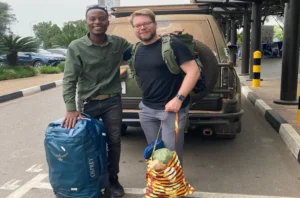
What should I pack for gorilla trekking?
Pack sturdy hiking boots, long hiking trousers, a long-sleeved shirt, waterproof rain protection, hiking socks, gloves, drinking water, a small daypack and essential personal items. A camera, insect repellent, sunscreen, gaiters and a walking stick can also be useful.
What should I wear for mountain gorilla trekking?
Wear long trousers, a breathable long-sleeved shirt, good hiking socks and sturdy hiking boots. Add a waterproof jacket and carry gloves.
Do I need hiking boots for gorilla trekking?
Hiking boots are strongly recommended because trails can be muddy, uneven and slippery.
Can I wear trainers for gorilla trekking?
Some travellers may successfully trek in trainers during favourable conditions, but proper hiking boots offer much better grip, protection and stability.
Can I wear sneakers for gorilla trekking?
Sneakers are not our recommended choice. Hiking boots are more suitable for variable forest terrain.
Can I wear jeans for gorilla trekking?
You can, but lightweight hiking trousers are better because jeans become heavy when wet and dry slowly.
Can I wear shorts for gorilla trekking?
Kyooma Gorilla Safaris recommends long trousers because they provide better protection against vegetation and insects.
Do I need gaiters for gorilla trekking?
Gaiters are optional but very useful, particularly when trails are muddy.
Why do people tuck trousers into socks when gorilla trekking?
This helps reduce the opening around the ankles and provides additional protection against insects and forest debris.
Do I need gloves for gorilla trekking?
Gloves are strongly recommended because they protect your hands when moving through vegetation or using your hands for balance.
Are gardening gloves good for gorilla trekking?
Yes. Strong gardening gloves are inexpensive, lightweight and practical.
Do I need a waterproof jacket?
Yes. Rain is possible throughout the year in mountain gorilla habitat.
Do I need a warm jacket for gorilla trekking?
A light warm layer can be useful during cool mornings, but an extremely heavy winter jacket is generally unnecessary for the actual trek.
What size backpack should I carry?
A small or medium hiking daypack is normally sufficient for most travellers.
Should my backpack be waterproof?
Water-resistant or waterproof protection is useful. A backpack rain cover and waterproof internal pouches can also work well.
How much water should I bring?
Bring enough drinking water for a potentially several-hour trek. Your safari guide or lodge can help advise you according to local conditions.
Can I drink water from forest streams?
You should not rely on untreated natural water sources. Begin the trek carrying suitable drinking water.
Should I take food on the gorilla trek?
Depending on your arrangements, a packed lunch or snacks may be provided. Carry food securely and follow your guide’s instructions regarding where and when it can be eaten.
Can I eat near the gorillas?
No. Follow the ranger guide’s instructions and keep food stored during the gorilla encounter.
Can I bring a camera?
Yes. Photography is an important part of the experience for many travellers.
Can I use my phone to photograph gorillas?
Yes. Smartphones can produce very good photographs and videos.
Can I use flash photography?
Prepare to photograph without flash and follow your ranger guide’s instructions.
Do I need a long zoom lens?
Not necessarily. Gorilla photography often occurs at significantly closer range than many forms of savannah wildlife photography.
Should I carry a tripod?
Most travellers do not need a full-sized tripod.
Should I bring binoculars?
They are optional for gorilla viewing but useful for birds and other wildlife.
Should I bring insect repellent?
Yes, insect repellent is a useful addition to your overall safari packing list.
Do I need sunscreen?
Yes. You may still spend time in exposed areas even though much of the trek occurs within forest.
Should I hire a porter?
We strongly recommend considering a porter, particularly if you are carrying a backpack or camera equipment.
Are porters only for elderly travellers?
No. Porters can be useful for travellers of almost any age or fitness level.
Should older travellers use walking sticks?
Walking sticks or trekking poles can provide useful stability, particularly on steep or slippery ground.
What should women wear for gorilla trekking?
Women should wear long hiking trousers, a breathable long-sleeved top, comfortable hiking boots and a waterproof jacket, with gloves and gaiters where useful.
What should men wear for gorilla trekking?
Men should wear long hiking trousers, long sleeves, appropriate socks and strong hiking boots, together with rain protection.
What should I wear for gorilla trekking in Bwindi?
Wear sturdy hiking boots, long trousers, long sleeves, a waterproof jacket and gloves. Gaiters are also useful.
What should I pack for gorilla trekking in Rwanda?
The basic requirements are similar: hiking boots, long trousers, long sleeves, waterproof protection, gloves, drinking water and a practical daypack.
Is the Uganda gorilla trekking packing list different from Rwanda?
Not significantly. The essential clothing and equipment are very similar.
What should I pack during the rainy season?
Pay additional attention to waterproof boots, gaiters, rain protection, quick-drying clothing and waterproof protection for electronics.
What should I pack during the dry season?
Carry the same fundamental equipment. Do not leave your rain jacket behind simply because you are travelling during a relatively dry period.
Should I bring extra socks?
Yes. Having dry socks available is extremely useful.
Should I bring spare clothes?
Yes. Keep a clean, dry outfit at your lodge for after the trek.
Should I pack sandals?
Sandals are excellent for relaxing at your lodge but should not be used for the actual gorilla trek.
Can I wear bright colours?
There is no need to build an entirely new wardrobe, although neutral and subdued colours are generally practical for wildlife activities.
Do I need expensive safari clothing?
No. Functional outdoor clothes work perfectly well.
How heavy should my gorilla trekking backpack be?
As light as reasonably possible while still carrying essential equipment. Avoid unnecessary items.
Can someone carry my backpack?
Yes. Hiring a porter can make your trek significantly more comfortable.
What is the most important thing to pack for gorilla trekking?
Good hiking boots are among the most important items, followed closely by long protective clothing and waterproof rain protection.
Book Your Mountain Gorilla Trekking Safari with Kyooma Gorilla Safaris
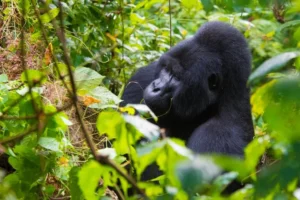
Knowing what to pack for mountain gorilla trekking is only one part of planning a successful gorilla safari.
The complete experience also involves choosing the right destination, organising your itinerary, arranging accommodation, planning transfers and ensuring that your gorilla trekking arrangements fit comfortably into the rest of your Uganda or Rwanda safari.
At Kyooma Gorilla Safaris, we organise personalised gorilla trekking safaris for travellers who want to experience mountain gorillas in Uganda and Rwanda while also exploring the wider wildlife, landscapes and cultures of East Africa.
Whether you are planning a short gorilla trekking safari, a longer Uganda wildlife journey, a Rwanda gorilla tour or a combined East African itinerary, we help you prepare for the practical realities of the experience from the planning stage through to trekking day.
Our aim is not simply to take you to a destination.
We want you to arrive prepared, understand what to expect and enjoy your time in the forest without unnecessary stress.
When you book your gorilla safari with Kyooma Gorilla Safaris, we can help you understand what to bring according to your particular itinerary, trekking destination and travel season.
Conclusion – What to Pack for Mountain Gorilla Trekking?
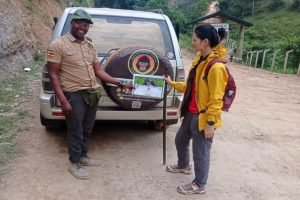
Preparing properly for mountain gorilla trekking does not require an enormous amount of specialist equipment.
The most important things are practical.
Wear comfortable hiking boots with good grip, long trousers, a breathable long-sleeved shirt and good hiking socks. Carry a waterproof rain jacket, gloves and a manageable daypack. Bring drinking water, essential medication, appropriate food where arranged and the camera equipment you genuinely expect to use.
Consider gaiters for additional protection around your boots and lower legs.
Use a walking stick if you appreciate extra stability.
Consider hiring a porter even if you are physically fit.
Protect your camera, smartphone, documents and batteries against moisture.
Avoid shorts, sandals, heavy unnecessary equipment and brand-new hiking boots.
Most importantly, remember that you are preparing for a natural wildlife experience rather than a controlled tourist attraction.
The forest may be muddy.
It may rain.
The climb may be steeper than expected.
The gorillas may require patience to locate.
Your trousers may get dirty and your boots may return covered in mud.
None of that reduces the experience.
In many ways, it is part of what makes mountain gorilla trekking so unforgettable.
When you finally move quietly through the forest and see a mountain gorilla family resting, feeding, playing or interacting only a short distance away, the effort involved in reaching them becomes part of the story you take home.
At Kyooma Gorilla Safaris, our advice is simple: pack practically, prepare for changing conditions, keep your backpack light and enter the forest ready to enjoy one of Africa’s greatest wildlife encounters.
With the right mountain gorilla trekking packing list, comfortable clothing, dependable hiking boots and realistic expectations, you will be well prepared for an unforgettable gorilla trekking safari in Uganda or Rwanda.
Plan your mountain gorilla trekking safari with Kyooma Gorilla Safaris and let us help you turn your journey into a carefully organised, memorable East African adventure.