Where to See Cheetahs in Uganda
Uganda is one of Africa’s most rewarding wildlife safari destinations, celebrated for its endangered mountain gorillas, chimpanzees, tree-climbing lions, elephants, buffaloes, leopards, and spectacular savannah landscapes. However, among Uganda’s rarest and most fascinating predators is the cheetah, a graceful and incredibly fast wild cat found in only a few protected wildlife habitats. For travelers wondering where to see cheetahs in Uganda, the most important destinations are Kidepo Valley National Park in northeastern Uganda and Pian Upe Wildlife Reserve in eastern Uganda. These remote wilderness areas contain open grasslands, savannah plains, and suitable hunting environments where cheetahs have been documented in the wild.
Unlike lions and leopards, which occur in several of Uganda’s major national parks, cheetahs have a restricted distribution and are rarely encountered during conventional Uganda wildlife safaris. Their small population, preference for expansive grasslands, and ability to travel considerable distances make them challenging to locate. Nevertheless, a well-planned safari through Kidepo Valley National Park and Pian Upe Wildlife Reserve offers an opportunity to explore their remaining habitats while discovering some of Uganda’s most impressive wildlife landscapes.
At Kyooma Gorilla Safaris, we organize personalized Uganda wildlife safaris that introduce travelers to the country’s outstanding natural attractions. Our safari experiences can combine cheetah-focused game drives in Kidepo Valley National Park, wildlife exploration in Pian Upe Wildlife Reserve, cultural encounters in the Karamoja region, and extended journeys to Murchison Falls National Park, Queen Elizabeth National Park, Kibale National Park, and Bwindi Impenetrable National Park.
Whether you are an experienced wildlife photographer, a big cat enthusiast, or a first-time visitor to Uganda, understanding where cheetahs live, how they behave, and the best ways to search for them can help you plan a memorable African safari.
Best Places to See Cheetahs in Uganda
The best places to look for cheetahs in Uganda are concentrated in the country’s northeastern and eastern savannah landscapes, where relatively open habitats provide suitable conditions for these specialized predators. Although cheetahs historically occupied a wider range across Africa, their distribution in Uganda is now limited, making conservation areas such as Kidepo Valley National Park and Pian Upe Wildlife Reserve particularly important.
Kidepo Valley National Park is one of Uganda’s best-known locations for documented cheetah sightings, especially within the Narus Valley. The park combines extensive savannah habitats, dramatic landscapes, and established wildlife-viewing activities. Pian Upe Wildlife Reserve provides another important cheetah habitat, characterized by remote grasslands, scattered hills, and distinctive dry-country wildlife.
Both destinations are ideal for adventurous travelers interested in exploring less-visited wildlife destinations. However, cheetahs remain extremely rare, and sightings cannot be guaranteed.
Kidepo Valley National Park
Kidepo Valley National Park is one of Uganda’s most spectacular and remote wildlife destinations. Located in northeastern Uganda near the borders with South Sudan and Kenya, the park protects approximately 1,442 square kilometers of extraordinary wilderness characterized by sweeping savannah plains, seasonal river valleys, rocky hills, acacia woodlands, and dramatic mountain scenery.
The park’s relative isolation has helped preserve a distinctive wilderness atmosphere that separates it from Uganda’s more frequently visited national parks. For travelers looking for authentic African wildlife encounters, Kidepo offers breathtaking scenery, abundant savannah wildlife, and the possibility of encountering rare predators such as cheetahs.
Cheetahs have been documented in Kidepo Valley National Park, with the Narus Valley recognized as an important area for sightings. The park’s open grasslands provide suitable hunting environments where these remarkable cats can use their exceptional eyesight, acceleration, and agility to pursue prey.
Although cheetah sightings are uncommon, Kidepo remains one of the most important destinations to include in a Uganda cheetah safari itinerary.
Cheetah Sightings in the Narus Valley
The Narus Valley is one of the most productive wildlife-viewing areas in Kidepo Valley National Park. Its broad grasslands, scattered trees, and seasonal water resources attract a variety of herbivores, creating feeding opportunities for predators.
Cheetahs prefer relatively open habitats where they can observe potential prey over considerable distances. Unlike leopards, which commonly rely on dense vegetation and ambush hunting, cheetahs use their excellent vision to locate prey before approaching carefully and launching a short, high-speed pursuit.
The open landscape of the Narus Valley provides suitable conditions for this hunting strategy. During guided game drives, visitors may search the grassland plains, gently elevated areas, and habitat edges where cheetahs sometimes rest or scan their surroundings.
However, even in areas where cheetahs have been recorded, encounters remain unpredictable. These animals occur in very small numbers and can move considerable distances in search of prey and suitable habitat.
For this reason, Kyooma Gorilla Safaris recommends spending several days in Kidepo Valley National Park rather than expecting to encounter a cheetah during a single game drive.
Other Wildlife to See in Kidepo Valley National Park
Although cheetahs are among the park’s most sought-after predators, Kidepo Valley National Park supports a remarkable diversity of wildlife that makes every game drive worthwhile.
The park is particularly famous for its large herds of African buffaloes, elephants, giraffes, zebras, Jackson’s hartebeests, waterbucks, oribis, and other savannah animals. Lions are among the park’s most impressive predators, while leopards are occasionally encountered in wooded and rocky areas.
Kidepo is also an excellent destination for birdwatching, with ostriches and numerous other species associated with the dry savannah environments of northeastern Uganda.
The combination of abundant herbivores, remarkable predators, spectacular landscapes, and relatively low visitor numbers makes Kidepo one of the most rewarding wildlife safari destinations in Uganda.
Best Time to See Cheetahs in Kidepo Valley National Park
The dry seasons are generally considered favorable for wildlife viewing in Kidepo Valley National Park. From approximately December to February and June to September, vegetation in many open grassland areas becomes shorter, while wildlife may concentrate around more dependable water sources.
These conditions can improve visibility during game drives, although there is no particular month when cheetah sightings can be guaranteed.
Early morning game drives are especially rewarding because temperatures are relatively cool and several predators may still be active. Late-afternoon drives can also provide opportunities to explore the plains while enjoying softer light for photography.
At Kyooma Gorilla Safaris, we recommend scheduling multiple wildlife drives to maximize opportunities for observing different species across the park.
Pian Upe Wildlife Reserve – A Rare Cheetah Habitat in Uganda
Pian Upe Wildlife Reserve is another important destination for travelers researching where to see cheetahs in Uganda. Located in eastern Uganda within the wider Karamoja landscape, the reserve is characterized by extensive grasslands, wooded savannah, rocky hills, seasonal wetlands, and dramatic scenery dominated by nearby Mount Kadam.
Pian Upe is one of Uganda’s largest wildlife conservation areas and remains considerably less visited than the country’s popular national parks. Its remote setting makes it particularly attractive to adventurous travelers, wildlife photographers, and visitors seeking unusual safari destinations.
Cheetahs have been documented within the reserve, and conservation monitoring initiatives have identified individual animals through field observations and photographic records. Although the reserve supports cheetahs, sightings remain uncommon because of the animals’ small population and wide-ranging movements.
For travelers interested in rare African wildlife, Pian Upe provides an opportunity to explore a largely undeveloped savannah ecosystem while searching for one of Uganda’s most elusive predators.
Why Pian Upe Wildlife Reserve Is Important for Cheetah Conservation
Pian Upe Wildlife Reserve plays an important role in protecting habitats suitable for cheetahs and other dry-country wildlife species.
Cheetahs require relatively open landscapes where they can locate prey, move across extensive territories, and hunt using their exceptional speed. The grasslands and savannah environments of Pian Upe offer conditions that are well suited to these specialized predators.
However, the survival of cheetahs depends on more than suitable habitat. Healthy prey populations, reduced human-wildlife conflict, effective conservation management, and the protection of wildlife corridors are also important.
Pian Upe forms part of the wider Karamoja conservation landscape, which contains some of Uganda’s most distinctive dry-country ecosystems.
Responsible tourism to the reserve can contribute to conservation by supporting protected-area management and creating economic opportunities associated with wildlife tourism.
Where to Look for Cheetahs in Pian Upe Wildlife Reserve
The open plains of Pian Upe, including landscapes around the Napedet Hills, are among the areas associated with cheetah records and movements.
Because cheetahs are highly mobile animals, their distribution within the reserve can change depending on prey availability, seasonal vegetation, water resources, and environmental conditions.
Guided game drives offer the most practical way to explore the reserve while searching for cheetahs. Experienced local guides and wildlife rangers can provide information about recent observations and suitable wildlife-viewing areas.
Visitors should understand that Pian Upe is a remote wildlife reserve with less developed tourism infrastructure than many of Uganda’s established national parks. Road conditions, seasonal accessibility, and the availability of activities should therefore be confirmed before travel.
At Kyooma Gorilla Safaris, we can include Pian Upe Wildlife Reserve in customized Uganda wildlife safari itineraries that also explore Kidepo Valley National Park and other attractions in eastern and northeastern Uganda.
Other Wildlife Attractions in Pian Upe Wildlife Reserve
Besides cheetahs, Pian Upe Wildlife Reserve supports several fascinating savannah animals, including roan antelopes, common elands, Jackson’s hartebeests, oribis, and other grazing species.
The reserve is particularly significant for its roan antelope population, making it an important destination for wildlife enthusiasts interested in species that are rarely encountered elsewhere in Uganda.
Pian Upe also offers birdwatching opportunities, scenic landscapes, and the possibility of combining wildlife exploration with cultural visits in the Karamoja region.
The dramatic scenery around Mount Kadam adds to the destination’s appeal, providing beautiful photographic opportunities and a distinctive sense of wilderness.
Best Time to Visit Pian Upe Wildlife Reserve
The drier periods, particularly from December to March and June to September, are generally convenient for wildlife viewing in Pian Upe Wildlife Reserve.
During these months, shorter vegetation may improve visibility, while relatively dry roads can make exploration easier.
Nevertheless, cheetahs remain difficult to locate throughout the year, and visitors should regard any sighting as an exceptional wildlife encounter rather than an expected part of every safari.
Can You See Cheetahs in Murchison Falls National Park?
Murchison Falls National Park is Uganda’s largest national park and one of the country’s most popular wildlife safari destinations. It is famous for its extensive savannah landscapes, large populations of giraffes, elephants, buffaloes, Uganda kobs, lions, and leopards, as well as the spectacular Murchison Falls, where the Nile passes through a narrow rocky gorge.
Although Murchison Falls offers excellent opportunities for viewing several large predators, it is not considered a reliable destination for cheetah sightings.
Occasional cheetah reports have been associated with northern Murchison Falls, but the park does not have the same established cheetah-viewing reputation as Kidepo Valley National Park and Pian Upe Wildlife Reserve.
For visitors whose primary interest is seeing cheetahs in Uganda, Kyooma Gorilla Safaris recommends prioritizing the northeastern and eastern savannah habitats.
Nevertheless, Murchison Falls remains an excellent addition to an extended Uganda safari because of its remarkable wildlife diversity, beautiful landscapes, Nile boat cruises, and game-drive experiences.
Can You See Cheetahs in Queen Elizabeth National Park?
Queen Elizabeth National Park is one of Uganda’s most famous wildlife safari destinations, particularly known for its diverse ecosystems, abundant birdlife, impressive game drives, and the celebrated tree-climbing lions of Ishasha.
The park supports several large carnivores, including lions and leopards, but it is not recognized as a regular cheetah-viewing destination.
Visitors interested in big cats can enjoy searching for lions in the Kasenyi Plains and Ishasha sector, while leopards may occasionally be encountered during game drives.
However, travelers specifically interested in cheetahs should focus on Kidepo Valley National Park and Pian Upe Wildlife Reserve.
Queen Elizabeth National Park can still form an important part of a longer Uganda wildlife safari, particularly for visitors combining savannah game drives with chimpanzee tracking and mountain gorilla trekking.
Why Are Cheetahs Rare in Uganda?
Cheetahs are among Africa’s most specialized large carnivores, and their survival depends on suitable habitats, sufficient prey, and relatively low levels of disturbance.
Unlike lions and leopards, which can survive in a relatively broad range of landscapes, cheetahs are especially associated with open grasslands and savannah environments where they can hunt using their extraordinary speed.
Historically, cheetahs occupied a much larger range across Africa. However, habitat destruction, increasing human settlement, declining prey populations, competition with other predators, and conflicts with livestock owners have contributed to their disappearance from many former habitats.
In Uganda, the species survives in small and geographically restricted populations concentrated mainly in northeastern and eastern savannah ecosystems.
These remaining habitats are therefore extremely important for cheetah conservation.
Protecting cheetahs requires effective wildlife monitoring, habitat management, anti-poaching efforts, and cooperation with surrounding communities.
Responsible tourism can also contribute by creating economic benefits associated with conserving wildlife and supporting protected areas.
How to Identify a Cheetah During a Uganda Safari
Cheetahs are sometimes confused with leopards because both animals possess spotted coats. However, they have several distinguishing characteristics.
The cheetah has a slender body, long legs, a relatively small head, and a flexible spine adapted for rapid acceleration. Its golden-yellow coat is covered with small, solid black spots, while distinctive black tear marks extend from the inner corners of the eyes toward the mouth.
Leopards, by comparison, possess more muscular bodies, larger heads, and irregular rosette-shaped markings.
Cheetahs are also more strongly associated with open grasslands, while leopards occupy a wider range of habitats, including woodlands, rocky areas, and forests.
Another important difference is hunting behavior. Cheetahs generally hunt during daylight, using their excellent eyesight to identify prey before launching a short, high-speed chase. Leopards are primarily ambush predators and frequently hunt under the cover of darkness.
Cheetahs are widely recognized as the fastest land animals, capable of reaching exceptionally high speeds during short pursuits. However, they cannot maintain these speeds over long distances because of the enormous physical demands of sprinting.
Observing a cheetah in its natural environment is therefore one of the most fascinating experiences available to a wildlife enthusiast.
What Do Cheetahs Eat in Uganda?
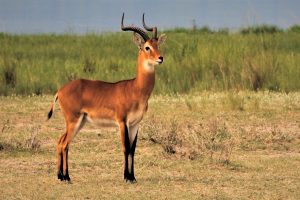
Cheetahs are carnivorous predators that primarily feed on small and medium-sized mammals, particularly antelopes.
Their preferred prey depends on the animals available within their habitats. In open savannah ecosystems, cheetahs may hunt smaller antelopes, young animals of larger herbivore species, and other suitable prey.
Unlike lions, which can cooperate to bring down large animals, cheetahs generally target prey that can be subdued through speed and agility.
A typical hunt begins when a cheetah identifies a potential target from a distance. The predator then approaches carefully, using available vegetation or landscape features for concealment.
Once sufficiently close, the cheetah accelerates rapidly and attempts to catch the prey during a short chase.
Because high-speed pursuits consume considerable energy, cheetahs must balance hunting opportunities against the physical demands of chasing animals.
Their relatively lightweight bodies also make them vulnerable to stronger predators such as lions, which may steal their kills.
Understanding these hunting strategies helps explain why cheetahs depend on suitable open habitats and healthy prey populations.
Best Time of Year for Cheetah Safaris in Uganda
The best time to plan a Uganda cheetah safari is generally during the drier months, when access to wildlife areas is easier and shorter grass can improve visibility.
In Kidepo Valley National Park, the period from December to February often offers relatively dry conditions, while June to September is also frequently favorable for wildlife exploration.
In Pian Upe Wildlife Reserve, the drier periods can provide more accessible tracks and improved viewing conditions.
During wetter months, the landscapes become greener, vegetation may be taller, and some remote tracks can become challenging to navigate.
However, wildlife movements are influenced by many factors, and cheetah sightings are never guaranteed during any particular season.
At Kyooma Gorilla Safaris, we recommend planning your travel dates according to overall safari interests, preferred weather conditions, and the destinations included in your itinerary rather than relying on a specific month for cheetah sightings.
How to Get to Uganda’s Cheetah Safari Destinations
Traveling to Kidepo Valley National Park and Pian Upe Wildlife Reserve provides an opportunity to discover some of Uganda’s least-explored landscapes.
Kidepo Valley National Park can be reached by road from Kampala or Entebbe, although the journey is long and is best planned with appropriate overnight stops or as part of a multi-destination safari.
Depending on the selected route, road conditions, and stopping points, travelers should allow sufficient time for the journey.
Domestic scheduled or charter flights may provide an alternative, subject to current flight operations and availability.
Pian Upe Wildlife Reserve is accessible by road through eastern Uganda, commonly via Jinja, Mbale, and the surrounding Karamoja region.
A private 4×4 safari vehicle is especially useful because of the remote nature of these destinations and the varying conditions of wildlife-viewing tracks.
Kyooma Gorilla Safaris organizes private safari transportation and customized itineraries, allowing travelers to explore Uganda’s remote wildlife destinations with flexibility for photography, sightseeing, and extended game drives.
Suggested 7-Day Uganda Cheetah Safari with Kyooma Gorilla Safaris
A Uganda cheetah safari can combine the two principal cheetah habitats with other attractions in eastern and northeastern Uganda. The following itinerary provides an example of how travelers can explore Pian Upe Wildlife Reserve and Kidepo Valley National Park while experiencing the diverse landscapes and cultures of the region.
Day 1 – Transfer from Kampala or Entebbe to Mbale
Your Uganda wildlife safari begins with pickup from Kampala or Entebbe by your Kyooma Gorilla Safaris driver-guide. Travel eastward through Uganda’s beautiful countryside, passing through Jinja and continuing toward the Mount Elgon region.
Depending on your departure time, you may enjoy a brief stop near the Source of the Nile before continuing toward Mbale.
Arrive at your accommodation for dinner and an overnight stay.
Day 2 – Wildlife Exploration in Pian Upe Wildlife Reserve
After breakfast, travel toward Pian Upe Wildlife Reserve for a guided wildlife experience.
Explore the reserve’s open grasslands while searching for roan antelopes, elands, hartebeests, and other savannah animals. Your guide will also help you identify suitable habitats where cheetahs have been documented.
Although cheetah sightings are rare, the reserve’s scenic landscapes and distinctive wildlife make the experience rewarding.
Spend the evening relaxing and enjoying the remote atmosphere of eastern Uganda.
Day 3 – Pian Upe to the Karamoja Region
After breakfast, enjoy additional sightseeing or wildlife exploration before continuing toward the Karamoja region.
The journey introduces you to striking landscapes characterized by rocky hills, extensive plains, and traditional rural settlements.
Depending on the itinerary and local arrangements, you may participate in a respectful cultural encounter with a Karamoja community, learning about traditional livelihoods, customs, and the cultural significance of livestock.
Continue to your selected overnight accommodation.
Day 4 – Transfer to Kidepo Valley National Park
After breakfast, continue toward Kidepo Valley National Park, one of Uganda’s most remote and spectacular wildlife destinations.
As you approach the park, the landscapes open into broad savannah plains framed by dramatic hills and mountain ranges.
After arrival and check-in, enjoy an afternoon game drive if time and park arrangements permit.
Look out for buffaloes, giraffes, elephants, antelopes, and other wildlife before returning to your accommodation for dinner and overnight.
Day 5 – Full-Day Wildlife Safari in Kidepo Valley National Park
Spend the day exploring the remarkable wildlife habitats of Kidepo Valley National Park.
Your morning game drive takes you into the Narus Valley, where large herbivores attract several predators.
Search for lions, leopards, buffaloes, giraffes, and, with some luck, cheetahs moving through the open grasslands.
After a midday break, continue with an afternoon wildlife drive, exploring additional areas of the park and enjoying photography opportunities.
Return to your accommodation for dinner and relaxation.
Day 6 – Additional Game Drives in Kidepo Valley National Park
Enjoy another day exploring Kidepo Valley National Park.
Additional time in the park provides opportunities to visit different wildlife areas and increases the chances of observing a wider variety of animals.
Your guide may focus on areas with recent wildlife activity while adapting the day’s program to road conditions, park regulations, and your interests.
The scenery of Kidepo is particularly spectacular during the early morning and late afternoon, making this an excellent day for wildlife and landscape photography.
Day 7 – Depart Kidepo Valley National Park
After breakfast, begin your return journey or transfer toward your next Uganda safari destination.
Because Kidepo is far from Kampala and Entebbe, a comfortable road itinerary may require an additional overnight stop. Travelers with limited time may consider suitable domestic flight arrangements.
Kyooma Gorilla Safaris can customize the journey according to your available travel dates, accommodation preferences, and onward travel plans.
Combine Cheetah Safaris with Gorilla Trekking in Uganda
One of the greatest advantages of choosing Uganda as an African safari destination is the opportunity to combine rare savannah wildlife encounters with unforgettable primate experiences.
Travelers who begin their journey in Kidepo Valley National Park or Pian Upe Wildlife Reserve can extend their Uganda safari to include Bwindi Impenetrable National Park, home to endangered mountain gorillas.
Gorilla trekking in Bwindi offers a completely different wildlife experience from the open plains of northeastern Uganda. Rather than searching for cheetahs across the savannah, visitors venture through dense tropical rainforest accompanied by experienced park guides and trackers in search of a habituated mountain gorilla family.
A longer safari can also incorporate chimpanzee tracking in Kibale National Park, boat cruises along the Nile in Murchison Falls National Park, and game drives in Queen Elizabeth National Park.
With Kyooma Gorilla Safaris, these destinations can be combined into a privately organized itinerary designed around each traveler’s interests, preferred accommodation standards, available time, and safari budget.
Frequently Asked Questions About Cheetahs in Uganda
Are There Cheetahs in Uganda?
Yes. Uganda has wild cheetahs, although they are very rare and occur mainly in the northeastern and eastern savannah landscapes. Kidepo Valley National Park and Pian Upe Wildlife Reserve are the two principal destinations with documented cheetah presence.
Which National Park in Uganda Has Cheetahs?
Kidepo Valley National Park is Uganda’s most established national park destination for cheetahs. The Narus Valley is particularly associated with documented sightings. Pian Upe Wildlife Reserve also supports cheetahs, but it is classified as a wildlife reserve rather than a national park.
Where Is the Best Place to See Cheetahs in Uganda?
Kidepo Valley National Park is generally the first destination to consider because it combines documented cheetah sightings with established game-drive opportunities. Pian Upe Wildlife Reserve is another important option for travelers interested in remote wilderness exploration and rare wildlife species.
Can You See Cheetahs in Queen Elizabeth National Park?
Queen Elizabeth National Park is best known for lions, including the tree-climbing lions of Ishasha, and its leopard population. It is not considered a regular cheetah-viewing destination. Travelers specifically interested in cheetahs should prioritize Kidepo Valley National Park or Pian Upe Wildlife Reserve.
Can You See Cheetahs in Murchison Falls National Park?
Occasional cheetah reports have been associated with northern Murchison Falls, but the park is not regarded as a reliable destination for cheetah viewing. Its principal large-cat attractions are lions and leopards.
How Many Cheetahs Are Left in Uganda?
Uganda’s cheetah population is very small, but there is no sufficiently established and current nationwide population estimate that should be presented as an exact figure. Conservation monitoring in Pian Upe has identified individual cheetahs, while additional sightings have been documented in Kidepo Valley National Park. Further research is needed to establish reliable national population estimates.
Is It Guaranteed to See Cheetahs in Kidepo Valley?
No. Cheetahs are wild animals that move across large territories, and sightings are unpredictable. Multiple game drives and knowledgeable safari guides can improve opportunities for wildlife encounters, but no responsible safari operator can guarantee a cheetah sighting.
What Is the Best Month to See Cheetahs in Uganda?
The drier periods, particularly December to February and June to September, often offer favorable conditions for game drives in the main cheetah habitats. However, no month guarantees cheetah sightings because the animals remain rare and highly mobile.
Are Cheetahs Dangerous to Safari Tourists?
Cheetahs generally avoid people and are not usually regarded as a major threat to tourists inside properly managed safari vehicles. Nevertheless, they remain powerful wild predators, and visitors should always follow park regulations and the instructions of professional guides. Tourists should never attempt to approach, feed, or disturb cheetahs.
Can I Combine a Cheetah Safari with Gorilla Trekking?
Yes. Kyooma Gorilla Safaris can customize a Uganda itinerary combining Kidepo Valley National Park or Pian Upe Wildlife Reserve with gorilla trekking in Bwindi Impenetrable National Park. Longer itineraries may also include chimpanzee tracking, Big Five wildlife experiences, and visits to other Uganda national parks.
Are Cheetahs Endangered in Uganda?
Cheetahs face serious conservation challenges in Uganda because of their very small population, restricted habitat, and pressures associated with human activity. Globally, the species is classified as Vulnerable on the IUCN Red List, while its small and fragmented Ugandan populations require particular conservation attention.
Why Book a Uganda Cheetah Safari with Kyooma Gorilla Safaris?
Planning a safari to see cheetahs in Uganda requires more than simply choosing a national park. It involves understanding wildlife distribution, organizing reliable transportation to remote destinations, choosing appropriate accommodation, and allowing sufficient time for wildlife exploration.
At Kyooma Gorilla Safaris, we specialize in creating personalized wildlife journeys across Uganda and the wider East African region. We help travelers experience the country’s diverse landscapes, from the remote savannah plains of Kidepo Valley and Pian Upe to the tropical forests of Bwindi and Kibale.
Our Uganda wildlife safaris can be customized for wildlife photographers, couples, families, small groups, and travelers interested in combining big cat viewing with mountain gorilla trekking.
We coordinate safari routes, suitable accommodation, park activities, private transportation, and other essential arrangements to provide comfortable and rewarding travel experiences.
Most importantly, we believe that responsible wildlife tourism should reflect the unpredictable nature of wild animals. A cheetah encounter is an extraordinary possibility, not a guaranteed attraction.
Our goal is to ensure that every visitor enjoys the diversity of Uganda’s wildlife, landscapes, and cultural experiences, whether or not a particular rare species is encountered.
Conclusion; Where Is the Best Place to See Cheetahs in Uganda?
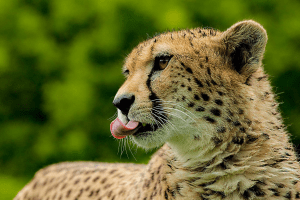
For travelers searching for where to see cheetahs in Uganda, Kidepo Valley National Park and Pian Upe Wildlife Reserve are the two most important destinations to consider.
Kidepo Valley National Park offers a classic safari experience with spectacular savannah landscapes, abundant wildlife, and documented cheetah sightings in the Narus Valley. Pian Upe Wildlife Reserve provides a more remote wilderness experience and supports a small population of cheetahs alongside several distinctive dry-country wildlife species.
Although these elusive predators remain difficult to encounter, exploring their habitats offers a unique opportunity to discover some of Uganda’s most beautiful and least-visited wildlife landscapes.
A Uganda cheetah safari can also be combined with gorilla trekking in Bwindi Impenetrable National Park, chimpanzee tracking in Kibale National Park, and wildlife game drives in Murchison Falls and Queen Elizabeth National Parks.
Book your Uganda cheetah safari with Kyooma Gorilla Safaris and discover the extraordinary wildlife of Kidepo Valley National Park, Pian Upe Wildlife Reserve, and beyond.
Whether you are looking for a dedicated northeastern Uganda wildlife adventure or a longer safari combining cheetahs, lions, elephants, chimpanzees, and mountain gorillas, Kyooma Gorilla Safaris can help you create a personalized itinerary that matches your interests and travel preferences.
Plan your Uganda wildlife safari with Kyooma Gorilla Safaris